

by Mike Telin
 Although it is often said that you cannot put new wine in old bottles — or wineskins, on Friday, March 25 at 7:30 pm in Kulas Music Hall at Baldwin Wallace University, the Cleveland Composers Guild will show that it can be done.
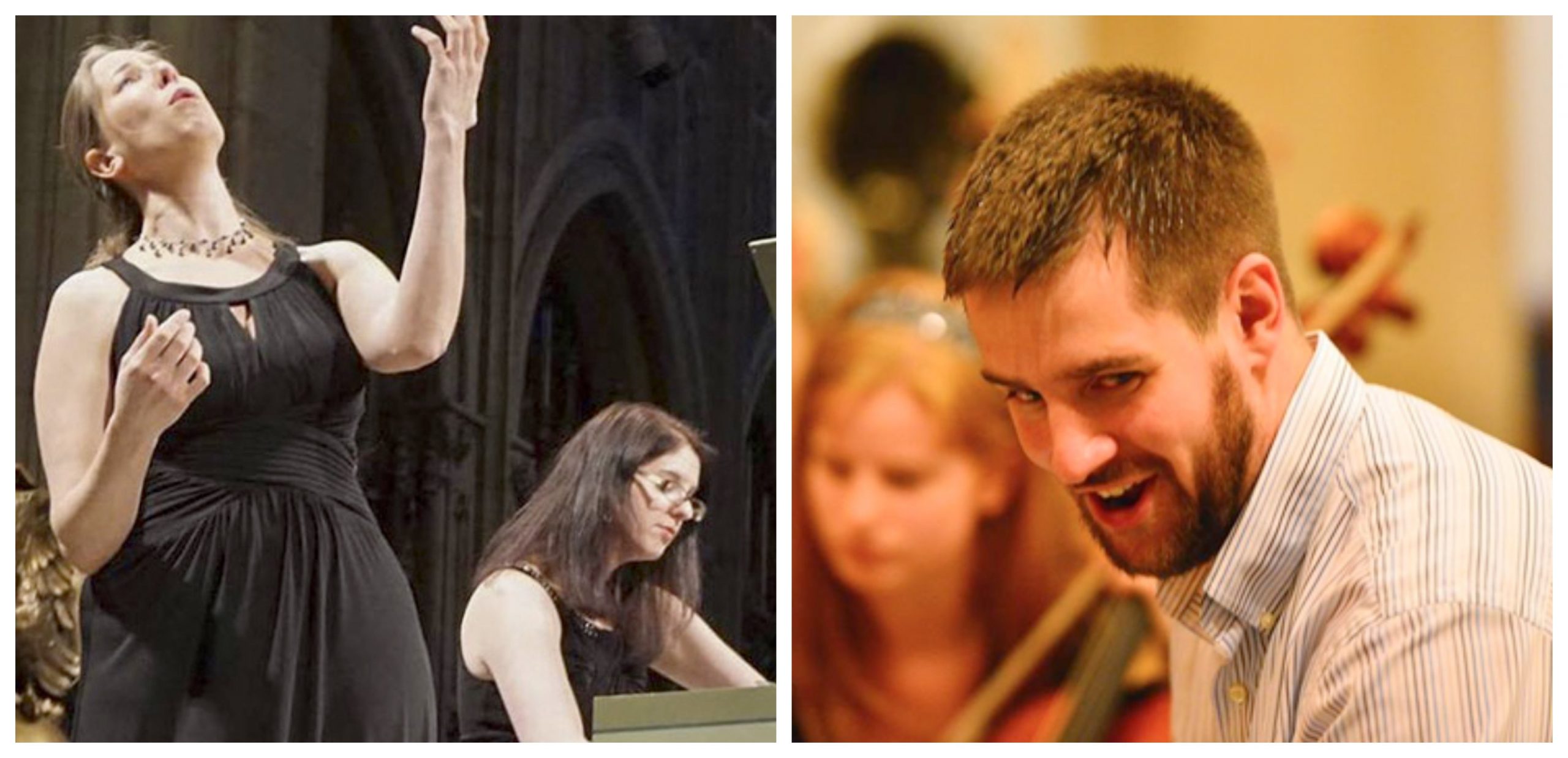
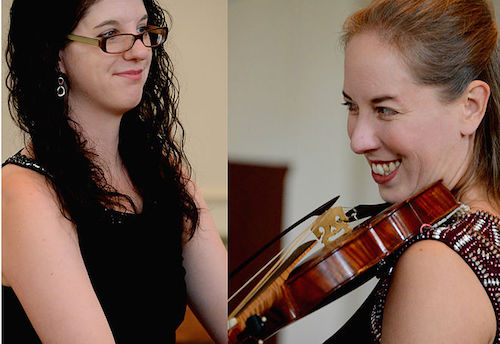
“New Wine in Old Bottles” features recently composed works by Guild members — new wine — performed by Burning River Baroque’s Malina Rauschenfels (Baroque cello,viola da gamba, and voice), Paula Maust (harpsichord), and guest David Ellis (Baroque cello, viola da gamba, and bass gamba) — old bottles.
“I don’t think the Composers Guild has ever collaborated with an early music group,” Guild president Margi Griebling-Haigh said during a recent telephone conversation. “We were just brainstorming, as we do in Guild meetings, about what projects we would like to pursue in the future. This idea came up and everyone thought it was interesting. So we thought ‘Let’s branch out and see what it’s like to write for gamba and harpsichord.’” [Read more…]
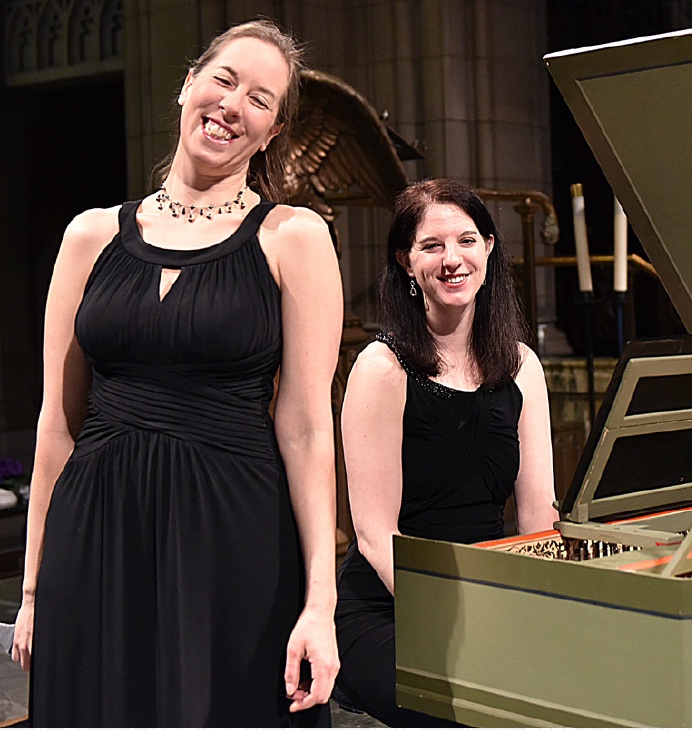
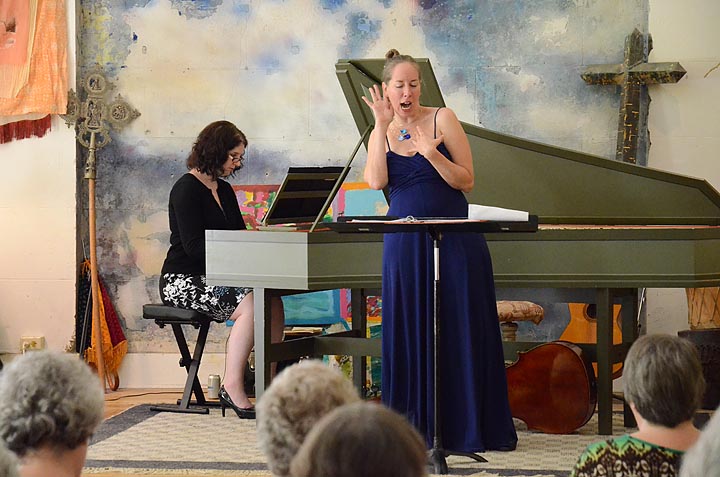 Burning River Baroque’s October 20 performance at St. Alban’s Church in Cleveland Heights was a case study in thoughtfully-programmed, politically-inspired concerts. Titled “Destructive Desires” and framed by informed program notes and remarks, the performance invoked the ongoing #MeToo movement. Soprano and Baroque cellist Malina Rauschenfels and harpsichordist Paula Maust also spoke about their own thoughts and experiences, bringing the feminist slogan “The Personal Is Political” to life.
 Everyone agrees, it’s a deeply troubling time. Where we disagree: which parts are troubling, and how to respond to those troubles — a question artists continue to grapple with.
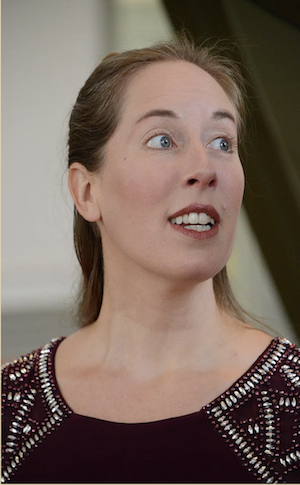 Ask about something musically outside the box, and Malina Rauschenfels has probably done it. Yes, she’s played a work for cello with two bows. Yes, she’s performed as a dancing violinist. And yes, of course she’s premiered an upside-down flute duet — her own composition.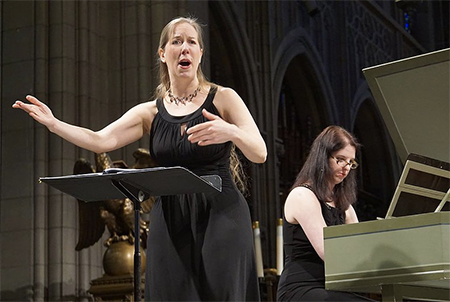
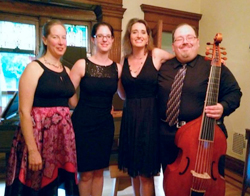
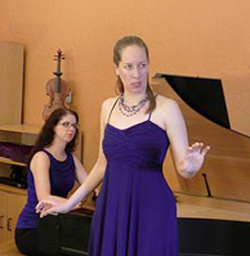
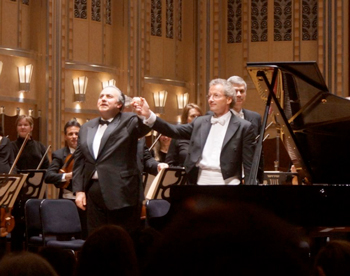
 On Friday, October 17, Burning River Baroque — Peter Lekx, violin, Malina Rauschenfels, soprano and cello & Paula Maust, organ — presented the first of three performances of sacred German baroque music in an especially appropriate venue. Trinity Lutheran Church, a 19th century Gothic edifice in Ohio City, was built by a German congregation and houses a distinguished 1955 Rudolph von Beckerath neo-baroque organ.