

by Jarrett Hoffman
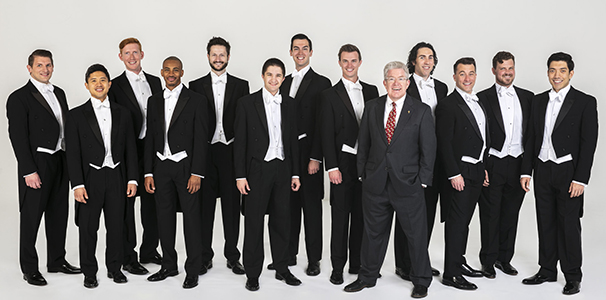 “In a way, we’re the most blissfully portable ensemble around,” Chanticleer music director William Fred Scott said by telephone from his home in Atlanta. “We don’t need microphones, we don’t need a piano, we don’t even need music stands.” If the 12-member male chorus had a superhero catchphrase, it might be what Scott said next, with the obligatory baby tagged on at the end: “All we need is a nice acoustic and we’re ready to go.”
The resonant Plymouth Church in Shaker Heights ought to do the trick. As part of an extensive tour away from its home base of San Francisco, Chanticleer will make its debut on the Cleveland Chamber Music Society Series on Tuesday, March 3 at 7:30 pm at Plymouth. David Rothenberg will give a pre-concert lecture at 6:30 pm, and tickets are available online.
The program, Trade Winds, was “kind of a no-brainer for us this particular year,” Scott said. It’s themed around global travel, fitting for Chanticleer’s presence on the Pacific and for the ensemble’s schedule this season: in July, they head to Oceania for their debut in New Zealand and their first trip to Australia since 1997. [Read more…]
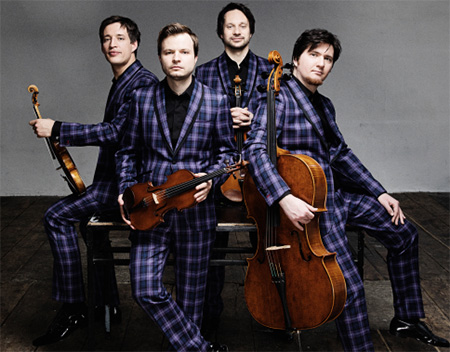
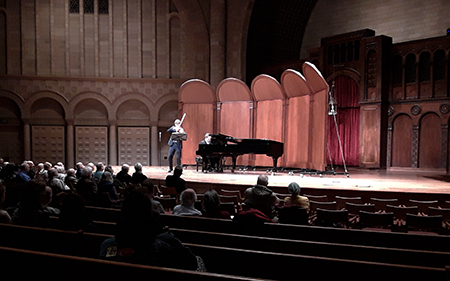
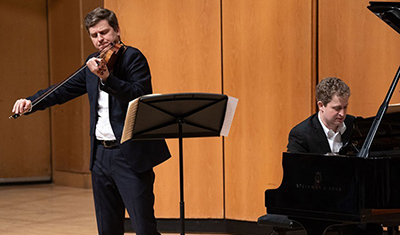 Credit Opus 47 for inspiring the complete cycle of Beethoven’s violin sonatas that James Ehnes and Andrew Armstrong are touring this season to celebrate the composer’s 250th birthday.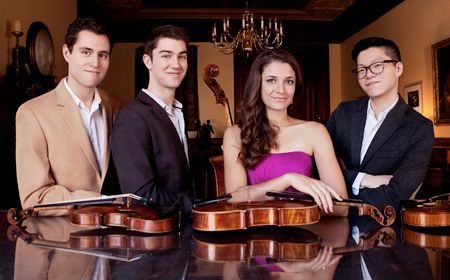
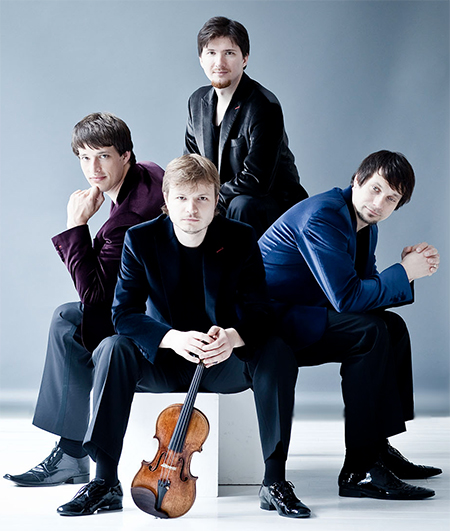
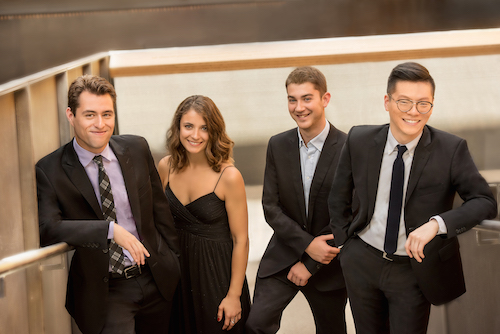 On Tuesday, December 3 at 7:30 pm at Plymouth Church, the Dover Quartet will return to the Cleveland Chamber Music Society bearing a healthy, six-week-old piece of music by David Bruce alongside works by Britten and Brahms.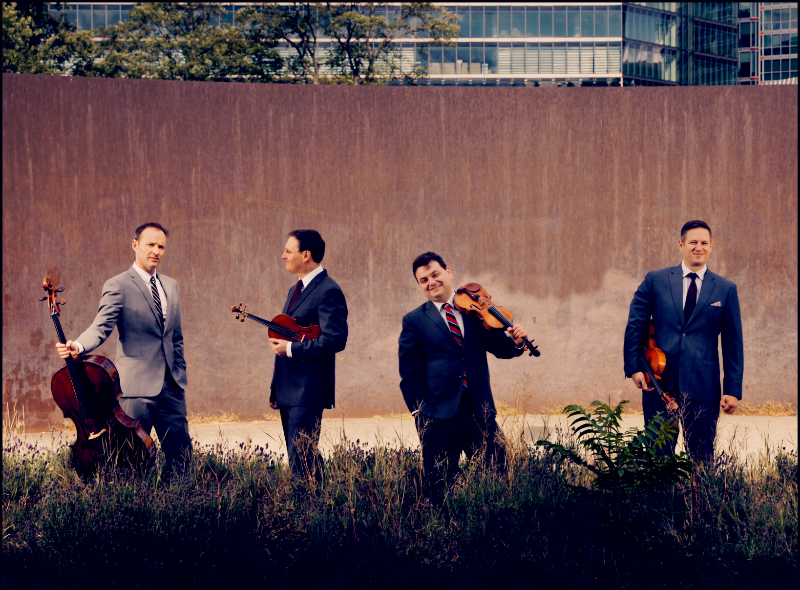
 Till Fellner last came to town in 2011 at the invitation of the Cleveland Chamber Music Society. The Austrian pianist returns to the series for a recital next Tuesday, November 12 at 7:30 pm in Mixon Hall at the Cleveland Institute of Music. Roger Klein will give a pre-concert lecture at 6:30 pm. Tickets are available