

by Daniel Hathaway
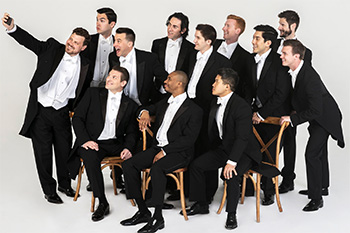 The Cleveland Chamber Music Society sailed into relatively uncharted waters on March 3, hosting the Bay Area male vocal ensemble Chanticleer in “Trade Winds.” This musical voyage took its name from a triptych by Zhou Tian, part of a varied program that called in at multiple ports for Italian madrigals, settings of Ave Maris stella (“Hail Mary, Star of the Sea”), an Edwardian part song, a Portuguese Mass, songs from the Pacific, and English sea shanties. [Read more…]
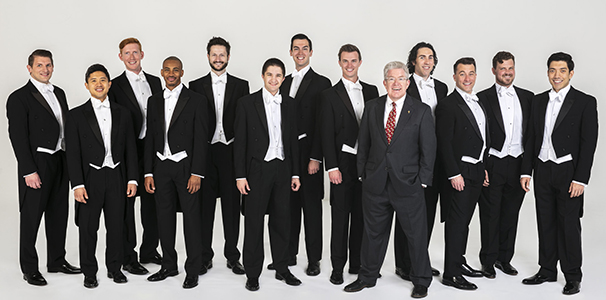
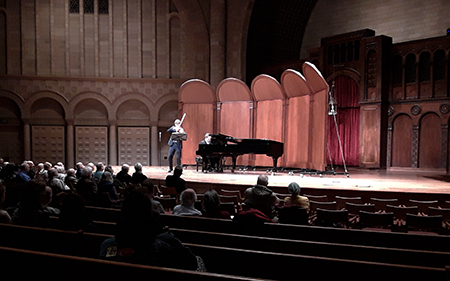
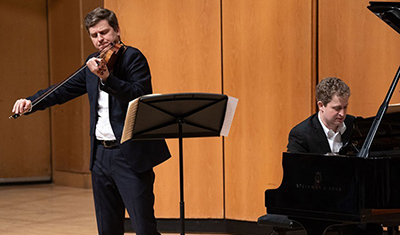 Credit Opus 47 for inspiring the complete cycle of Beethoven’s violin sonatas that James Ehnes and Andrew Armstrong are touring this season to celebrate the composer’s 250th birthday.
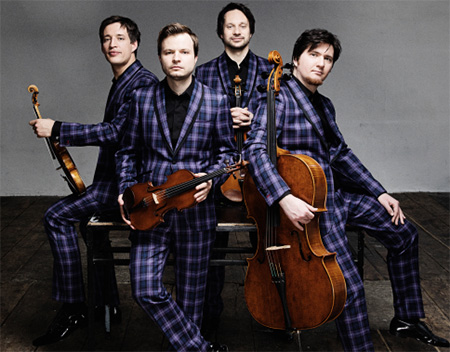
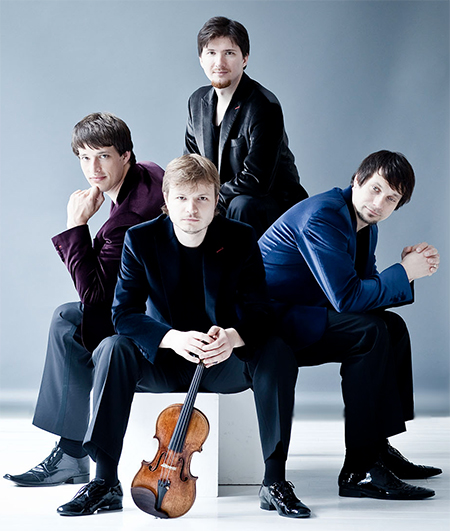
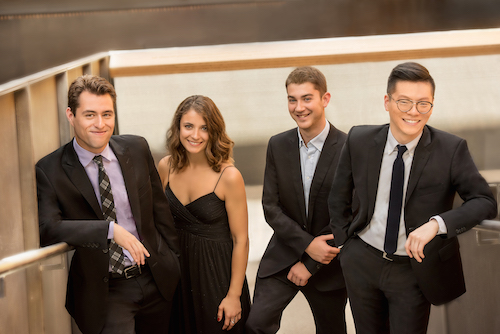 On Tuesday, December 3 at 7:30 pm at Plymouth Church, the Dover Quartet will return to the Cleveland Chamber Music Society bearing a healthy, six-week-old piece of music by David Bruce alongside works by Britten and Brahms.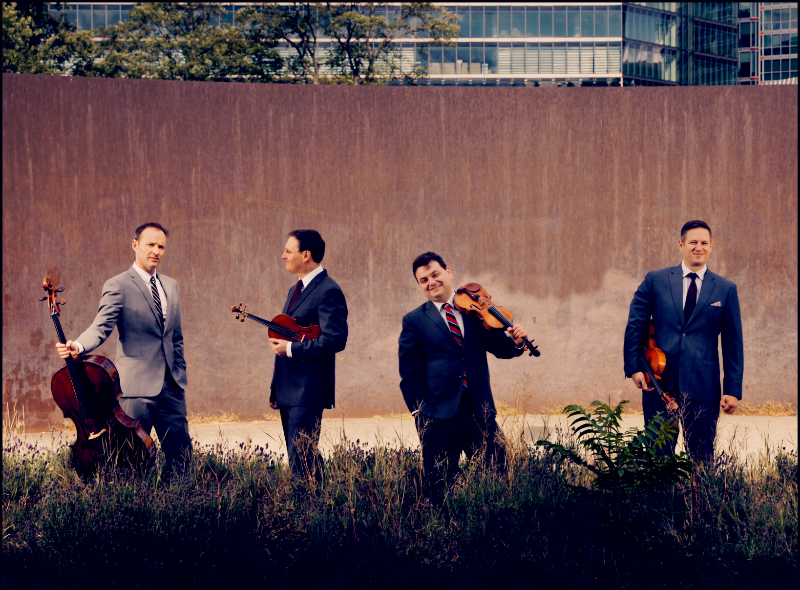
 Till Fellner last came to town in 2011 at the invitation of the Cleveland Chamber Music Society. The Austrian pianist returns to the series for a recital next Tuesday, November 12 at 7:30 pm in Mixon Hall at the Cleveland Institute of Music. Roger Klein will give a pre-concert lecture at 6:30 pm. Tickets are available