
by Mike Telin
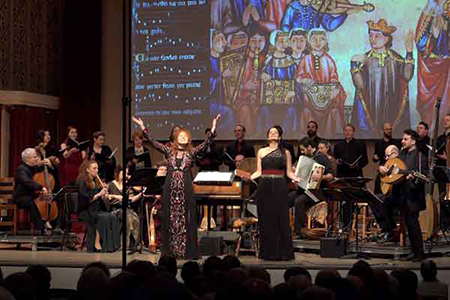
 This week, Jeannette Sorrell and Apollo’s Fire will premiere a fresh version of their celebrated O Jerusalem! Crossroads of Three Faiths. In this musical tour of the four quarters of Old Jerusalem (Jewish, Christian, Arab, and Armenian), surprising cross-influences emerge.
The program will be presented on Thursday, April 9 at The Bath Church UCC, on April 10 in Gartner Auditorium at the Cleveland Museum of Art, and on April 11 at Congregation Mishkan Or, all at 7:30 pm. Pre-concert conversations will be presented by Daphna Mor (recorder, shawm, ney, and vocals) & Ronnie Malley (oud & accordion), one hour before each performance. Tickets are available online.
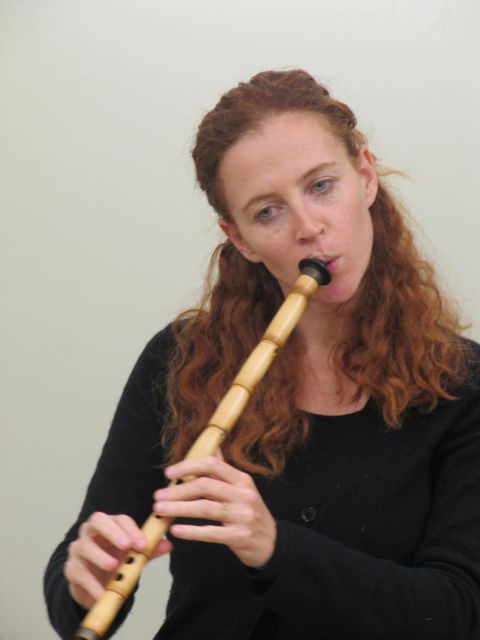
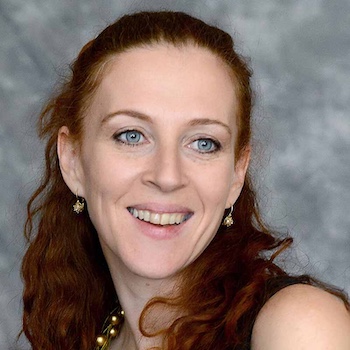
In addition to performing, Daphna Mor also served as the project’s Jewish musical and cultural consultant. Dedicated to the music of the Jewish diaspora, Mor is the founder and director of Beineinu Mitzvah, a New York-based initiative cultivating Jewish cultural expression through modern, inclusive practice. She regularly performs and teaches liturgical music, and was invited to Mumbai to lead a workshop on Jewish diaspora melodies while learning local traditions.
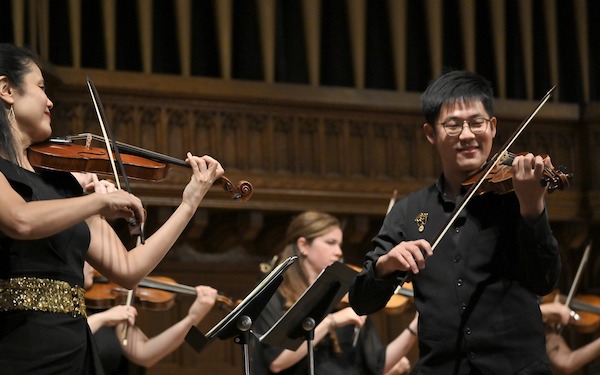
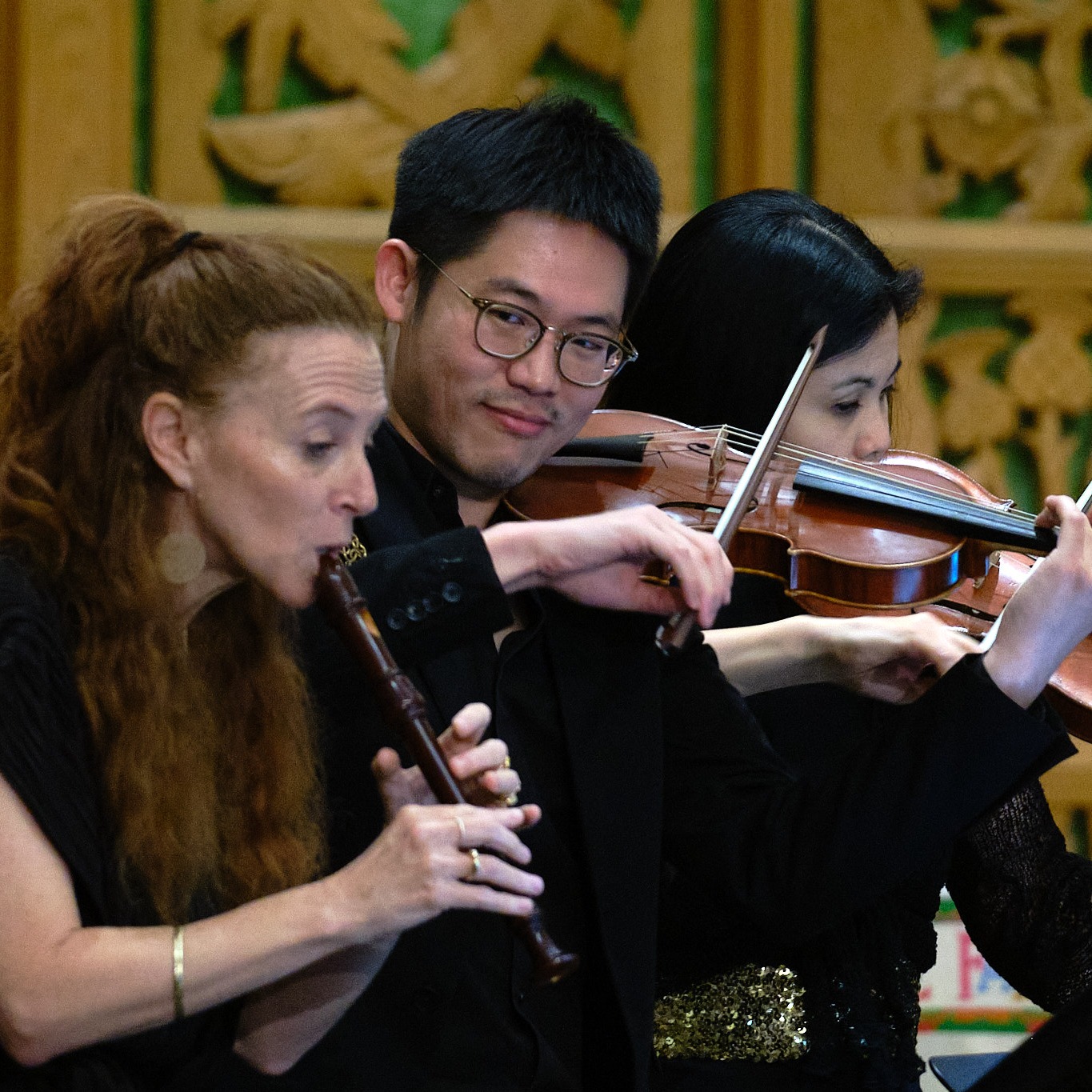 On Super Bowl Sunday — a day that brings out plenty of competitive spirit — spending the afternoon with Apollo’s Fire felt like the perfect balance. In the few hours before “The Big Game” on February 9, those of us listening to the music in St. Paul’s Episcopal Church in Cleveland Heights were all rooting for the same team.
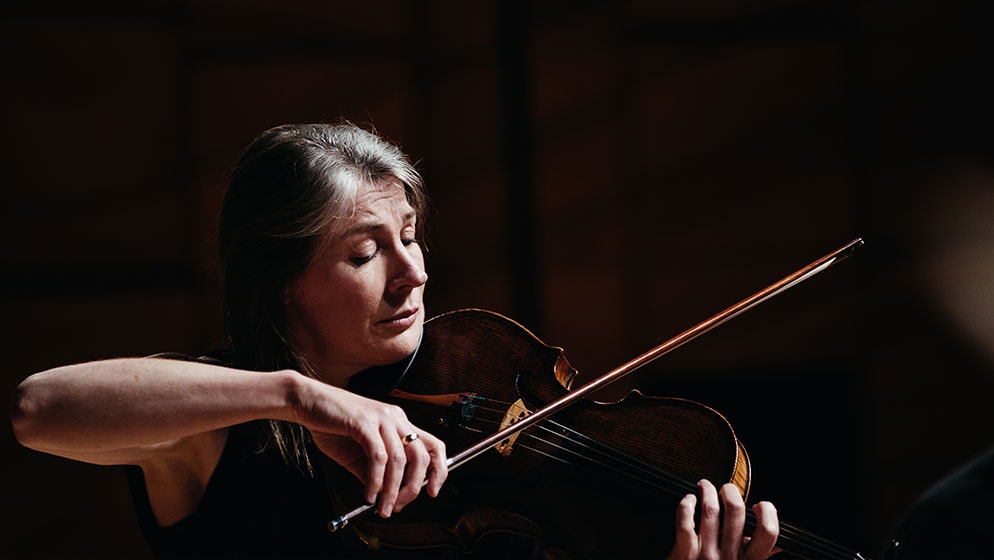
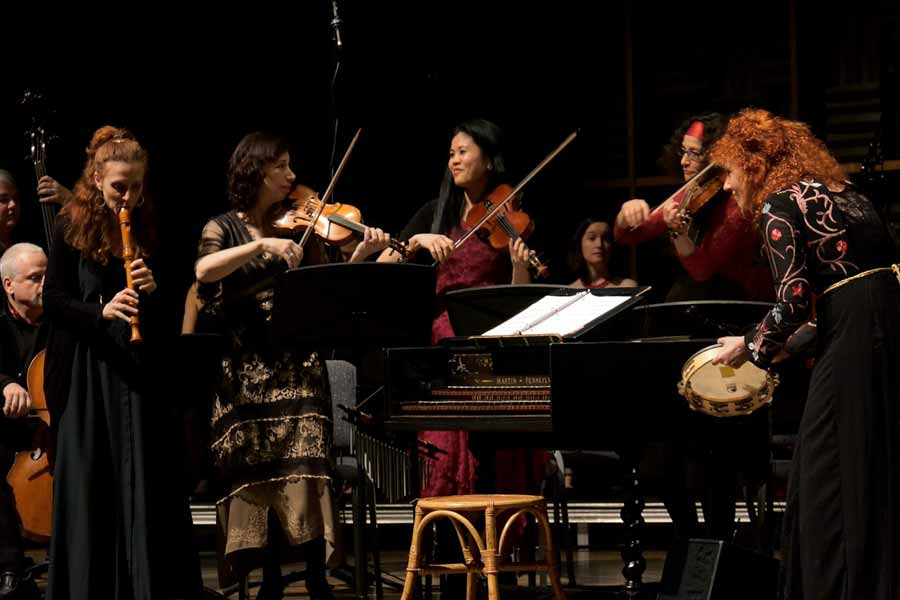 Who doesn’t love an Apollo’s Fire concert? Jeannette Sorrell and troupe always seem to offer a festival for the eye and ear — thoughtful thematic programs, all-out committed musicianship, and infectious exuberance. Wednesday’s program at Bath Church UCC was all this and more.
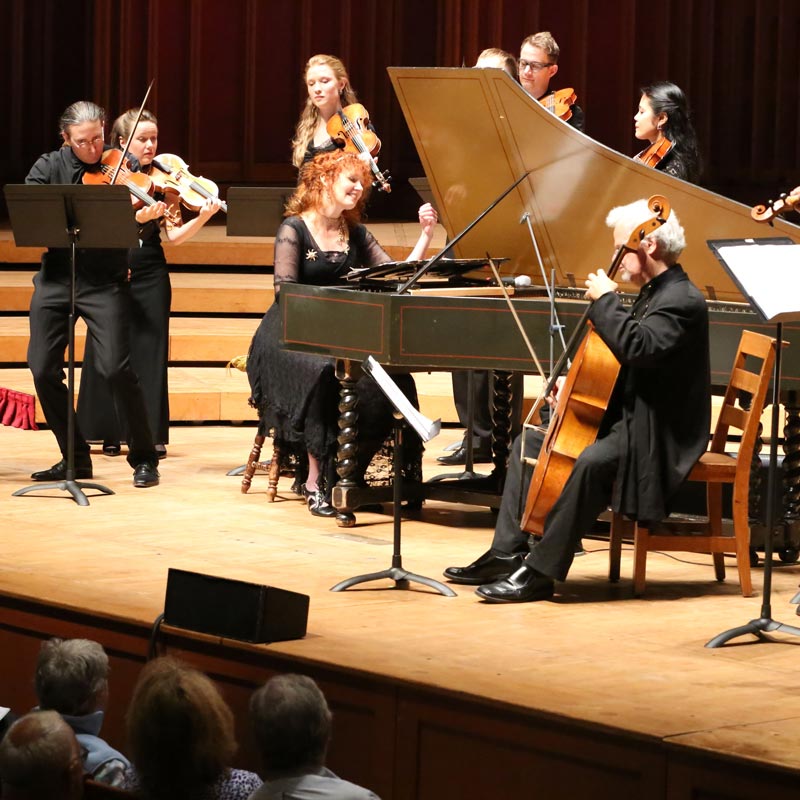 Apollo’s Fire is making the most of the summer. Cleveland’s Baroque Orchestra is easing audiences back into live performances this month with a program, “Bach, Vivaldi, and Friends,” that satisfies all musical expectations. The group followed up a terrific first concert on Saturday, July 10, at the Avon Lake United Church of Christ with two more local performances and one on tour at Tanglewood.
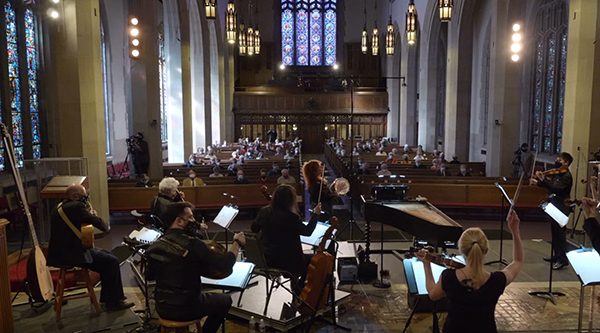 With each of its themed programs, Apollo’s Fire is becoming more than just a period instrument ensemble that gives concerts. Its March program, “Tapestry — Jewish Ghettos of Baroque Italy,” which replaces performances of Handel’s Israel in Egypt, finds Jeannette Sorrell and her colleagues moving seamlessly out of their usual roles to morph into singing actors and dancers, all in order to bring the subject at hand to vibrant life.