by Daniel Hathaway
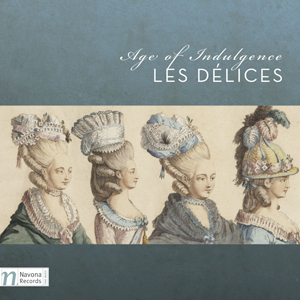
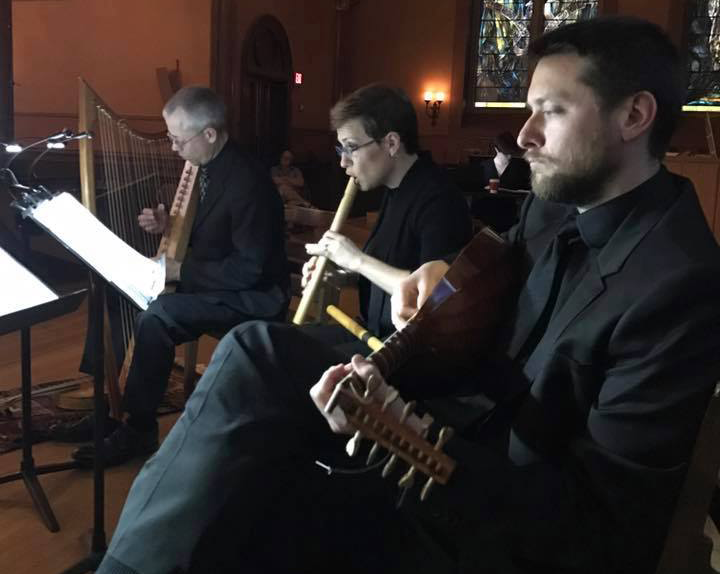 The Cleveland-based period instrument ensemble Les Délices generally traffics in French Baroque music. That national repertoire overlays special mannerisms onto forms and harmonic progressions that are otherwise relatively familiar to our ears. But when Debra Nagy takes her colleagues and audiences back another three or four hundred years on an excursion into the French 14th century, we enter a musical world that operates under very different rules. [Read more…]
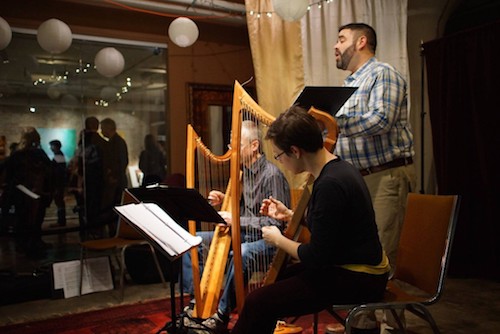 Debra Nagy and her colleagues of Les Délices usually dedicate themselves to bringing the music of 17th- and 18th-century France alive for modern ears. But this weekend, the period instrument ensemble will push the clock back to the 14th century — not an era of powdered wigs and salons, but a time of knights, crusades, courtly love, and increasing secularization.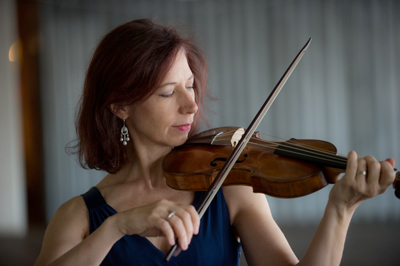
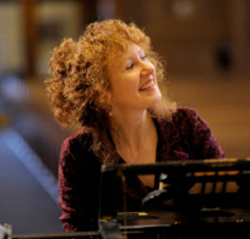 Apollo’s Fire crowned its 25th anniversary season over the summer with sold-out performances at Tanglewood, Ravinia, and Cain Park. I reached Artistic Director Jeannette Sorrell to ask what’s ahead for Cleveland’s Baroque Orchestra in 2017-2018.
 Over the past eight years, Les Délices has presented well-researched, thought-provoking, and highly entertaining concerts that explore music and topics of the French Baroque.