by Stephanie Manning
 This article was originally published on Cleveland.com
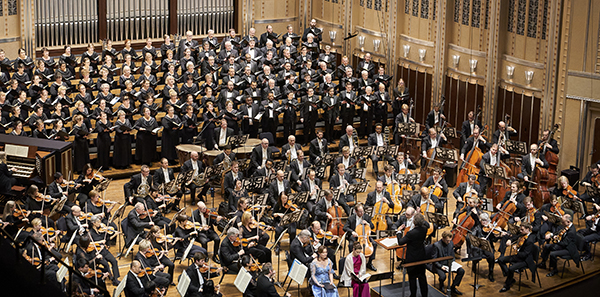
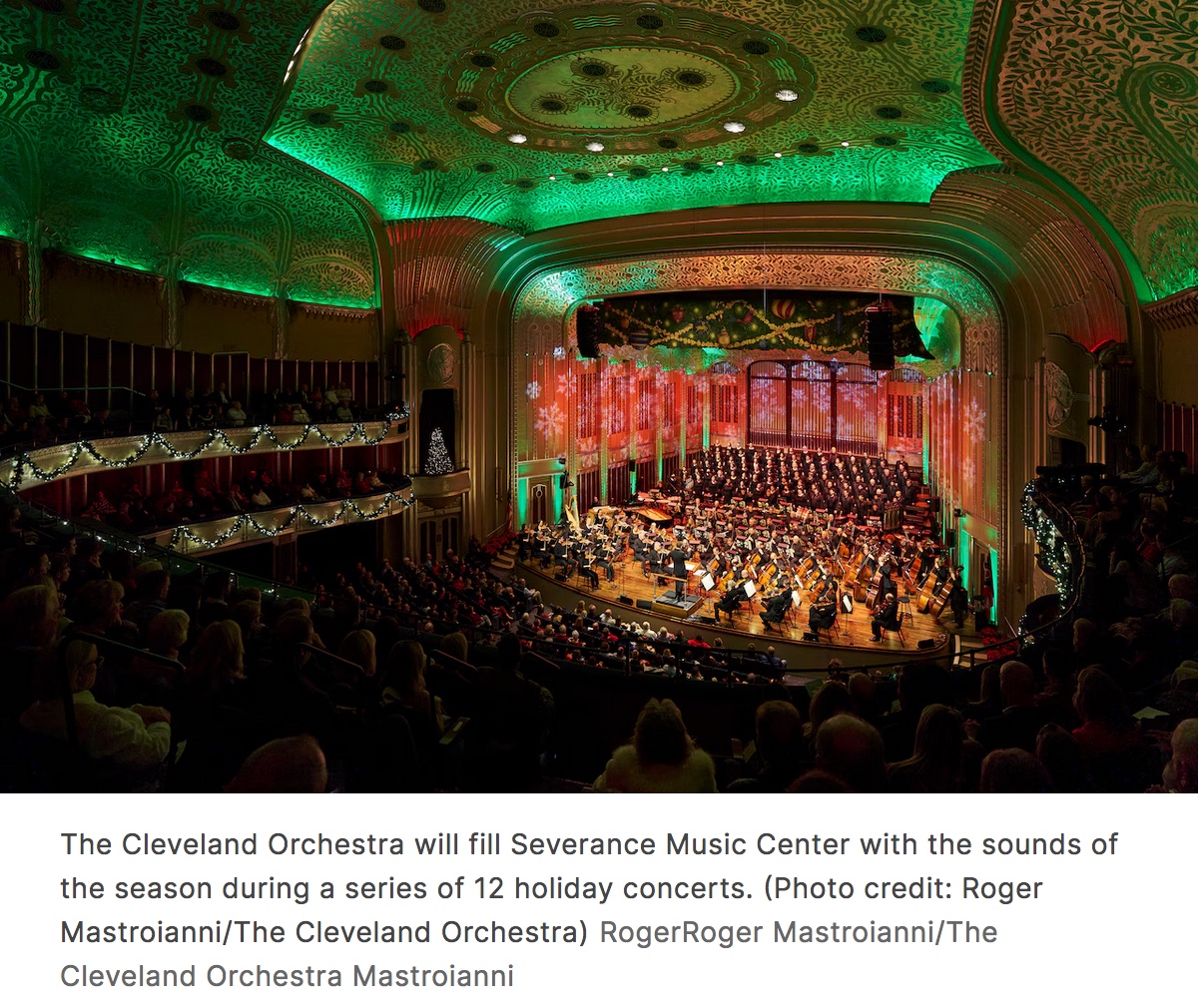
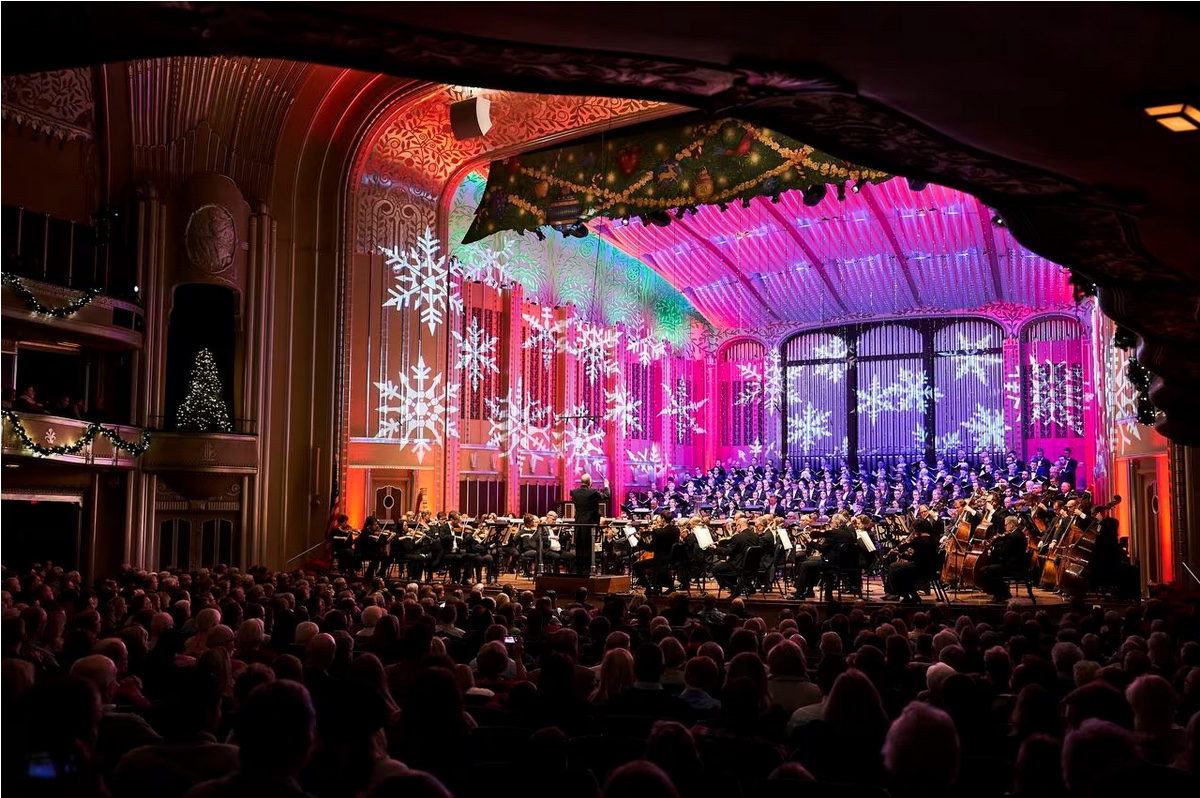
CLEVELAND, Ohio — If the twinkling lights, leafy green garlands and festive poinsettias didn’t already clue you in, the holidays have arrived at Severance Music Center. ‘Tis the season for annual traditions — including The Cleveland Orchestra’s holiday concerts, which began on Wednesday evening.
Running through December 22, the programs feature plenty of seasonal classics plus some potential new favorites. The first performance proved that this mix is a delightful recipe for festive cheer.
“Look at you all, out on a school night!” conductor Sarah Hicks proclaimed joyfully from the podium. Just as many concertgoers donned red outfits to get into the spirit, Mandel Concert Hall was also decked out with decorations and stage lighting effects.
 The Sacred Veil
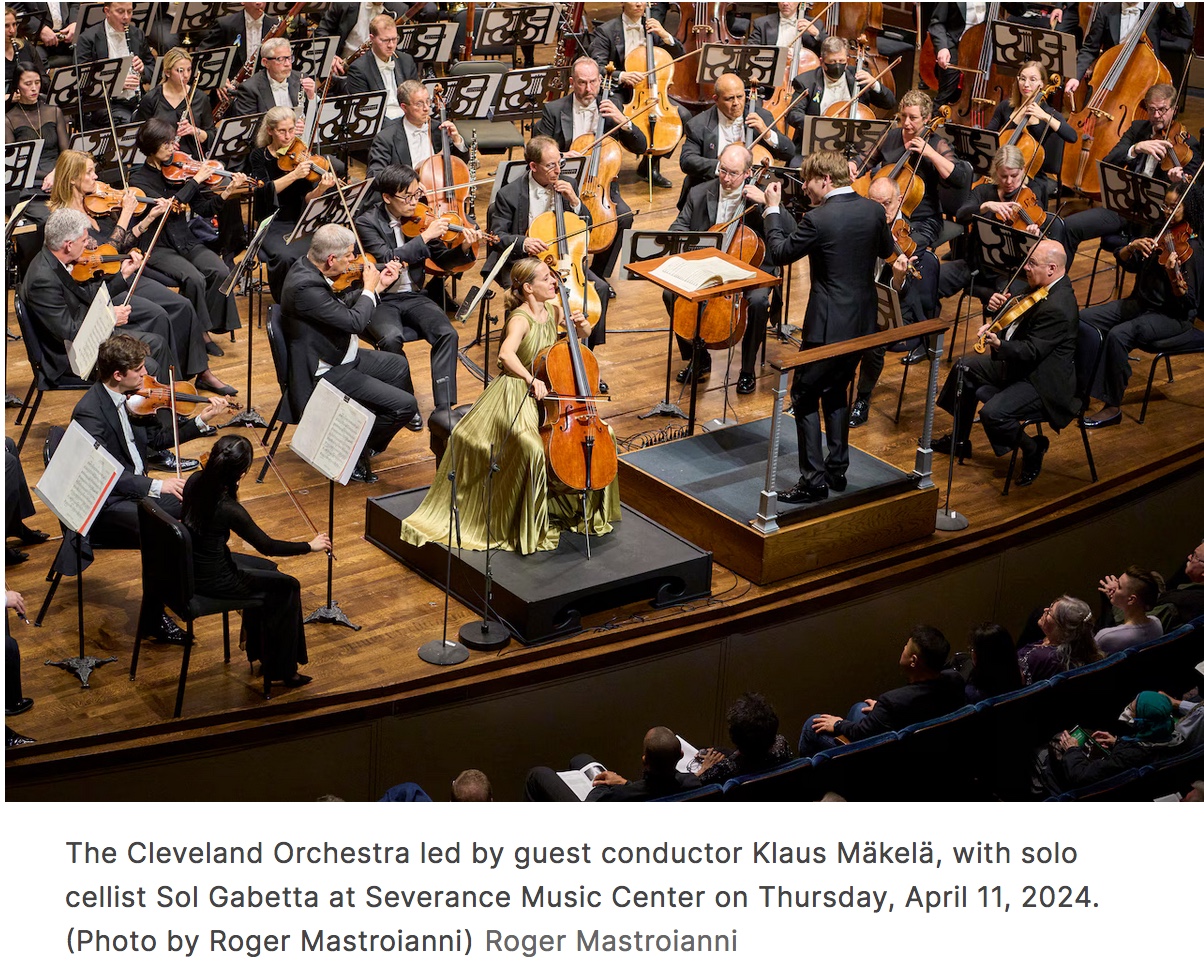
 Franz Welser-Möst led the final bows on Saturday night at Severance, like the star of any show should. The Cleveland Orchestra’s music director is in his element presiding over the ensemble’s annual opera production, which this season packs the drama. Verdi’s Otello — in a concert staging that opened May 21 and runs for two more performances (May 26 and 29) — demands big voices, instrumental forces to match, and a conductor who can give it all shape and direction.
 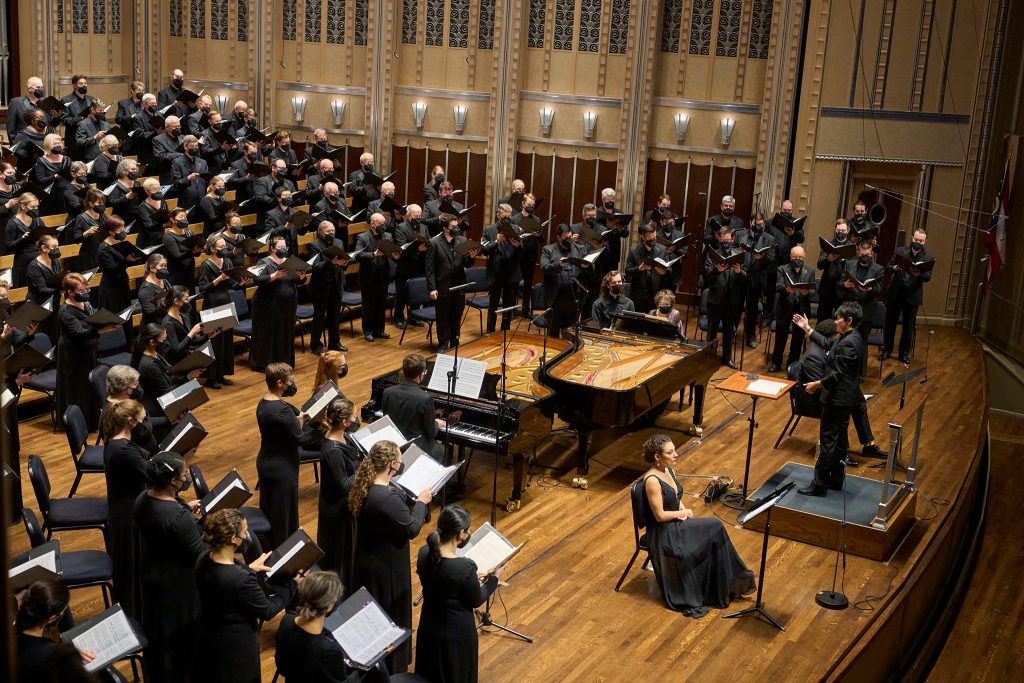 Like the exiles in The Book of Isaiah who returned rejoicing to Zion, the Cleveland Orchestra Chorus jubilantly revisited Severance Music Center, the scene of many past triumphs, on Thursday evening, October 28. Chorus director Lisa Wong was on the podium, Johannes Brahms’ Ein Deutsches Requiem was in singers’ hands and on their lips, a pair of Steinways manned by Carolyn Warner and Daniel Overly sat dovetailed at center-stage, and a near-capacity audience witnessed the homecoming.
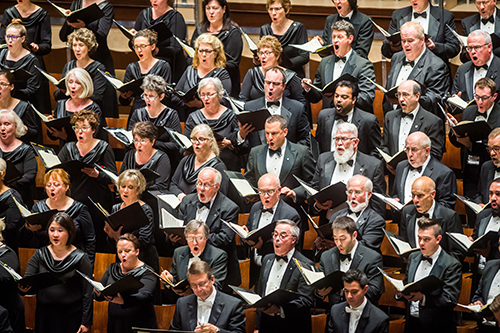 Whether it was the passing of his mother in February 1865 or the death of Robert Schumann later that same year, no one is certain what motivated Johannes Brahms to compose his large-scale, non-liturgical Requiem in the German language.