by Neil McCalmont
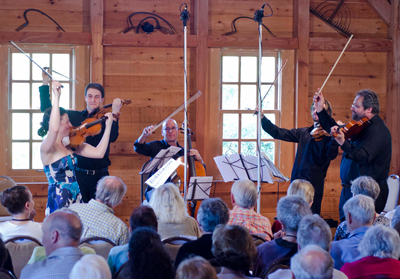
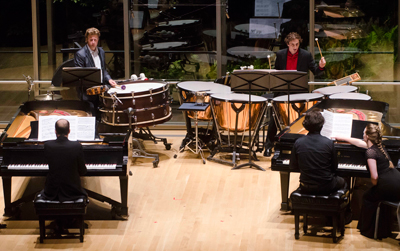
 The Kent/Blossom Music Festival continued its summer series with an all-Shostakovich program at Kent’s Ludwig Recital Hall on Wednesday evening, July 20. The concert of chamber works showcased the prowess of Kent State professors, as well as members of The Cleveland Orchestra. [Read more…]
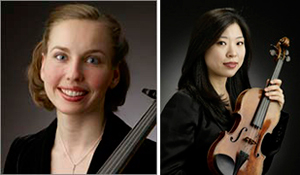 As part of its Close Encounters chamber music series, Heights Arts will offer master classes with Cleveland Orchestra cellist Tanya Ell on January 11 and with TCO’s associate concertmaster Amy Lee on April 19. Master classes are open to students in grades 6 through 12 and will be held in Heights Arts’ gallery at 2175 Lee Road on Sundays at 11 am.
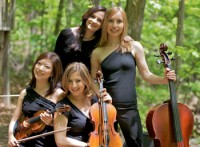
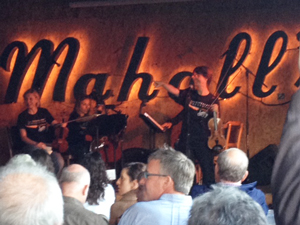 On Friday night, May 23, a quartet of Cleveland Orchestra musicians — Isabel Trautwein and Katherine Bormann, violins, Sonja Braaten Molloy, viola, and Tanya Ell, cello — performed at Mahall’s, a combination restaurant, bar, and vintage bowling alley with a friendly, Brooklyn-esque atmosphere.
 Lorain County Community College’s Signature Series of 2013-14 ended on a brilliant note with a performance by the Omni Quartet on Monday evening, April 7. The quartet was established five years ago and is comprised of violinists Amy Lee and Alicia Koelz, violist Joanna Patterson Zakany and cellist Tanya Ell, all members of The Cleveland Orchestra. Their program consisted of Mendelssohn’s Quartet No. 2 in a, op. 13 and Beethoven’s Quartet No. 15 in a, op. 132.