by Robert Rollin
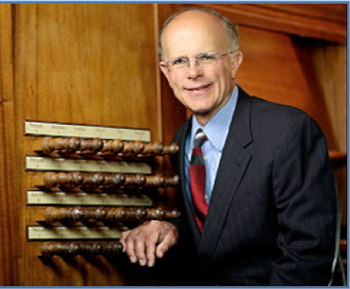
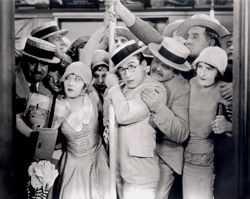 Last Sunday afternoon’s screening of Harold Lloyd’s silent film comedy Speedy delighted the Stambaugh Auditorium audience in Youngstown and offered improvised organ accompaniment by Todd Wilson. This type of improvisation was common in the 1920’s and even helped the late, noted musicologist Donald Grout pay for his higher education. [Read more…]
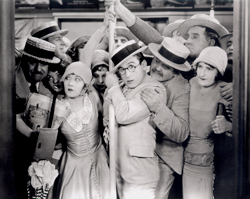 Well-known concert organist Todd Wilson will explore another side of his art this month when he improvises musical scores to two silent film classics at Stambaugh Auditorium in Youngstown and Severance Hall in Cleveland. Speedy, Harold Lloyd’s 1928 Paramount film, which chronicles the attempts of Harold “Speedy” Swift to save the last horse-drawn streetcar in New York (with a cameo appearance by Babe Ruth) will be screened at Stambaugh on Sunday, October 19 at 4:00 pm. Then the 1925 silent version of Phantom of the Opera, starring Lon Chaney, will be shown at Severance Hall on Tuesday, October 28 at 7:30 pm. Phantom is part of this season’s Cleveland Orchestra’s Celebrity Series, but Wilson will be the only musician on stage for the occasion.