by Peter Feher
 The resplendent sound of a symphonic brass section filled the Tri-C Metro Auditorium on Sunday afternoon, Jan. 26. Never mind that there was only a single piano onstage.
Listening to Modest Mussorgsky’s Pictures at an Exhibition in its original solo piano version from 1874, you can’t help but hear the orchestration that Maurice Ravel would supply for the work some 50 years later. Ravel wasn’t the first musician to arrange the suite, but the way he approached the various movements — from the stately opening Promenade to the crashing finale of “The Great Gate of Kiev” — has forever reshaped the piece.
It was fitting, then, that pianist Roman Rabinovich devoted some time to the French composer before performing Mussorgsky’s score on Sunday. On the first half of his recital for the Tri-C Classical Piano Series, Rabinovich played Ravel’s Sonatine, along with three other works that creatively connected with Pictures at an Exhibition. The result was a deeper artistic experience of Mussorgsky on the second half.
 If you had to pick one thing that symbolizes Mahani Teave — pianist, cultural ambassador, and environmental activist — an easy choice would be the Rapa Nui School of Music and the Arts, the first music school on that remote island 2,000 miles off the coast of mainland Chile, with a population of 8,000.
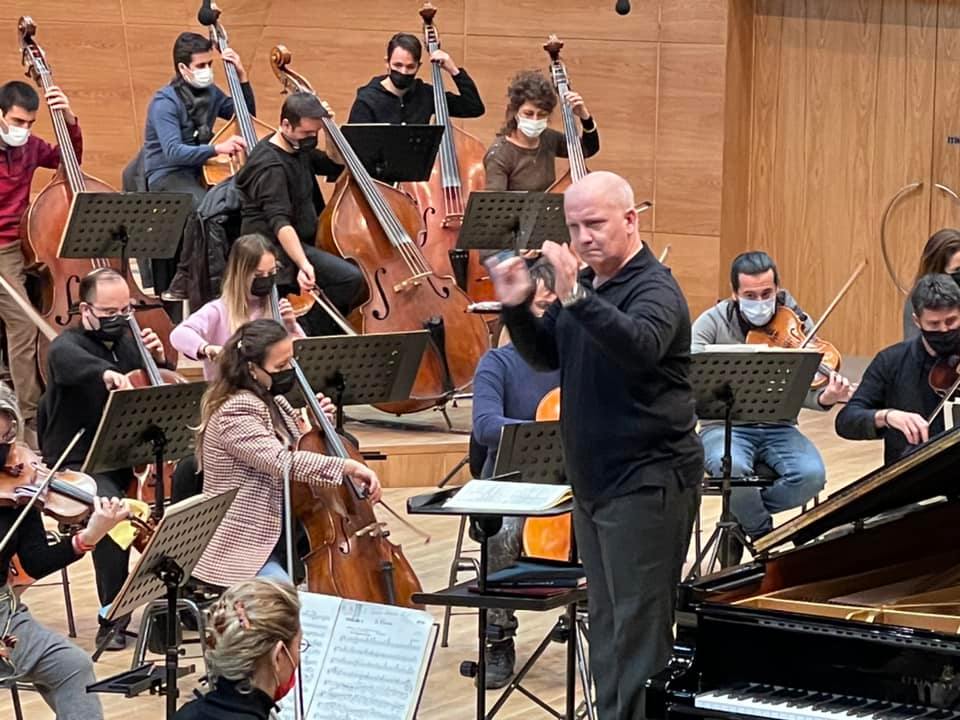 On Thursday, February 23 at 7pm, the Tri-C Classical Piano Series will deviate from its usual pattern of presenting solo pianists to welcome the National Symphony Orchestra of Ukraine to the stage of its Metropolitan Campus.
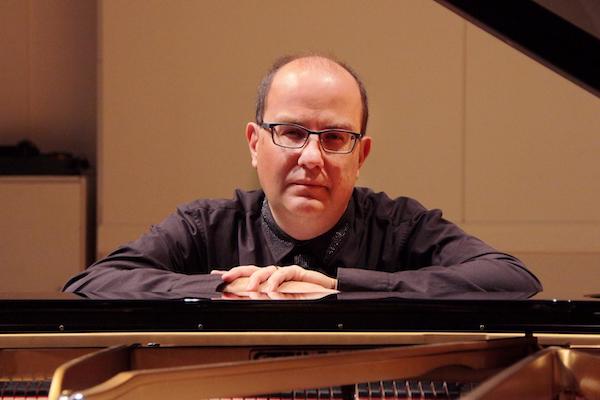 It is the composer George Walker’s centennial this year, and on October 9, pianist Alexandre Dossin — performing in Cleveland for the first time — gave a concert featuring the composer’s work through six decades at the Cleveland Museum of Art’s Gartner Auditorium. The performance was part of the Tri-C Classical Piano series.
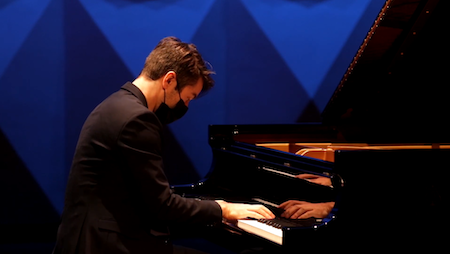 It wasn’t unexpected that Bach and jazz improvisation went back and forth. After all, Dan Tepfer is known for not only playing the Goldbergs, but also using the work’s thirty variations as a jumping-off point into his own spontaneity. In this case, for a pre-recorded recital that debuted on April 18 on the Tri-C Classical Piano Series, he limited himself to the aria and the nine canons.
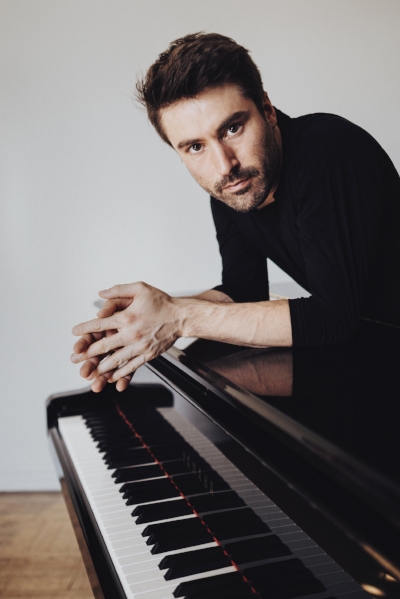 J.S. Bach’s
 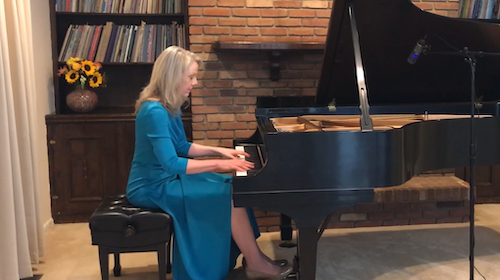 When my colleagues and I have the opportunity to both interview and review an artist, it becomes interesting to see whether the ideas behind their program translate to the actual performance. Sometimes, from my perspective, they don’t, but the concert might still flourish in some other, unforeseen way.
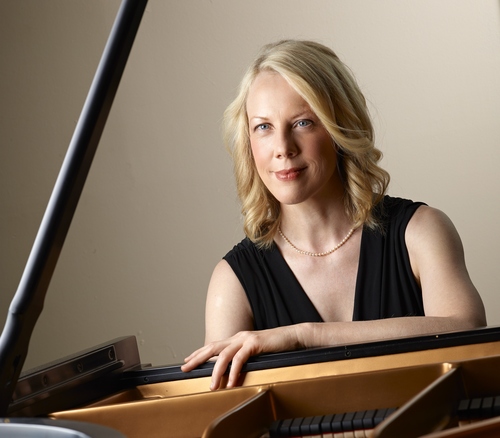 If there was a day and time made for piano recitals, it might be Sunday afternoon. “I like Horowitz’s idea of 4:00 pm Sunday recitals,” pianist Caroline Oltmanns said during a telephone conversation. “3:00 is great, 2:00 is great — those are like the golden hours.”
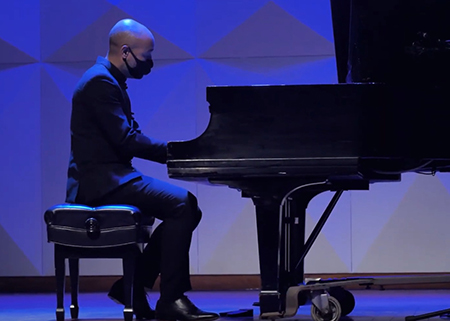 Aaron Diehl is a magnificent pianist. He possesses an innate sense of rhythm and musical line. Everything he plays has purpose. Every note he plays sparkles.