by Stephanie Manning
 Much has already been made of the meaning of “Poiesis,” a Greek word that means “to create,” particularly something new. The Poiesis Quartet, who play new and commissioned works all the time, live up to their name in all sorts of ways. But this idea felt more relevant than usual during their recent visit to the school where they were founded.
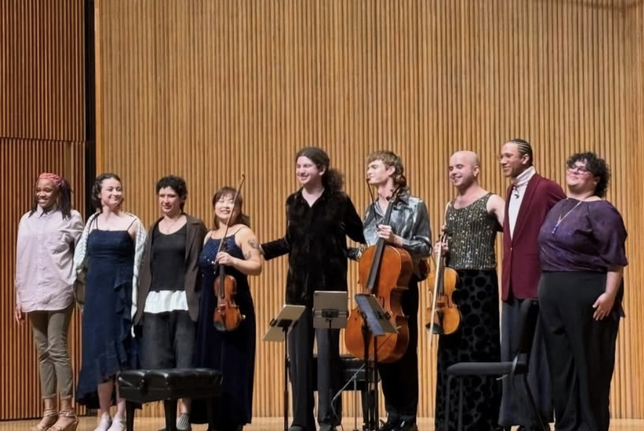
On March 18, the Poiesis returned to Oberlin Conservatory to present “Love Letters,” a project that commissioned works from five QTPOC (Queer & Trans People of Color) composers, all either current Oberlin students or alumni.
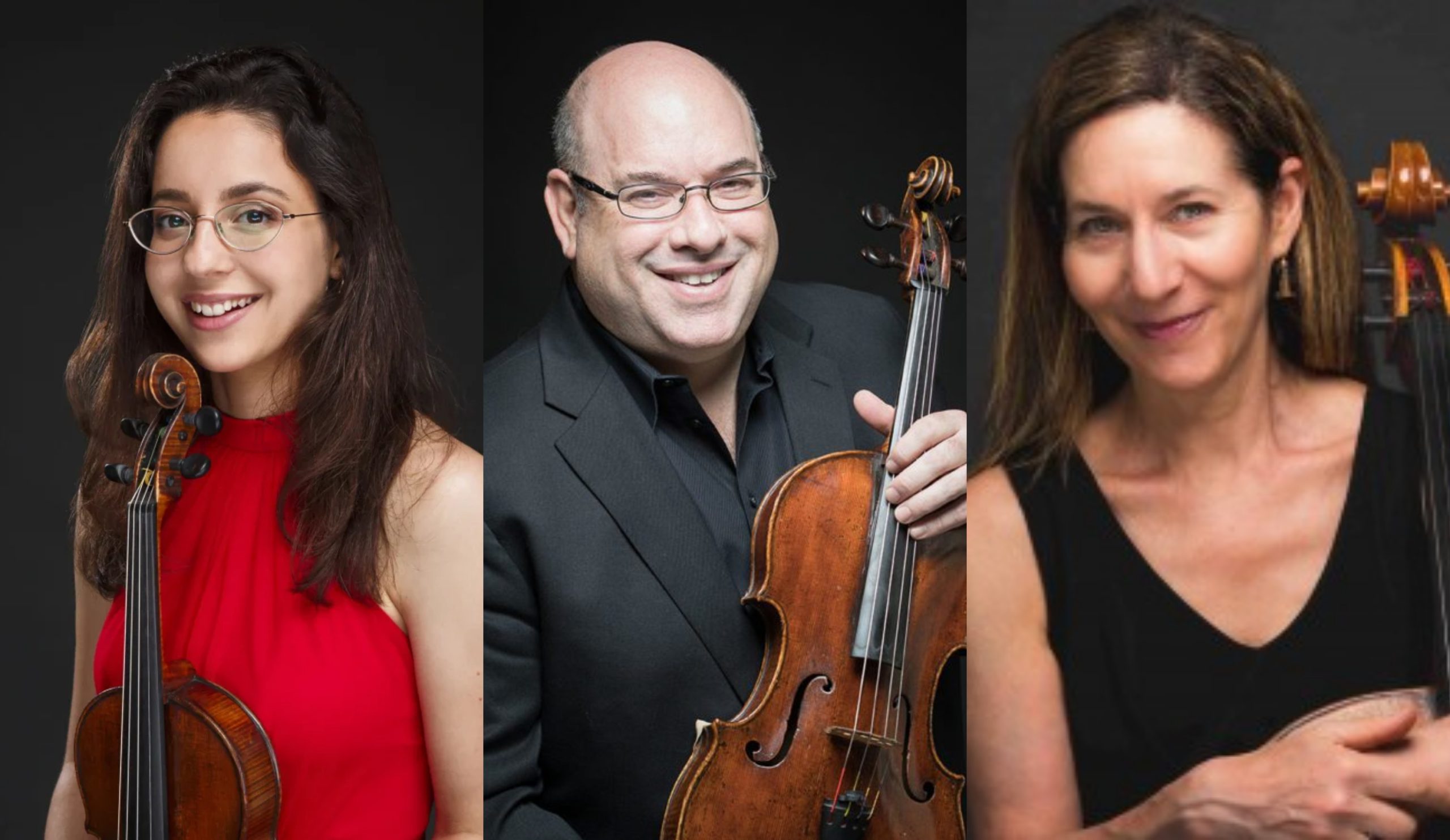
The resulting collection of deeply personal pieces gave the Quartet — violinists Sarah Ying Ma and Max Ball, violist Jasper de Boor, and cellist Drew Dansby — the opportunity to give back to the communities that shaped and supported them. And it gave the composers the opportunity to hear their music performed by a quartet whose star only continues to rise.

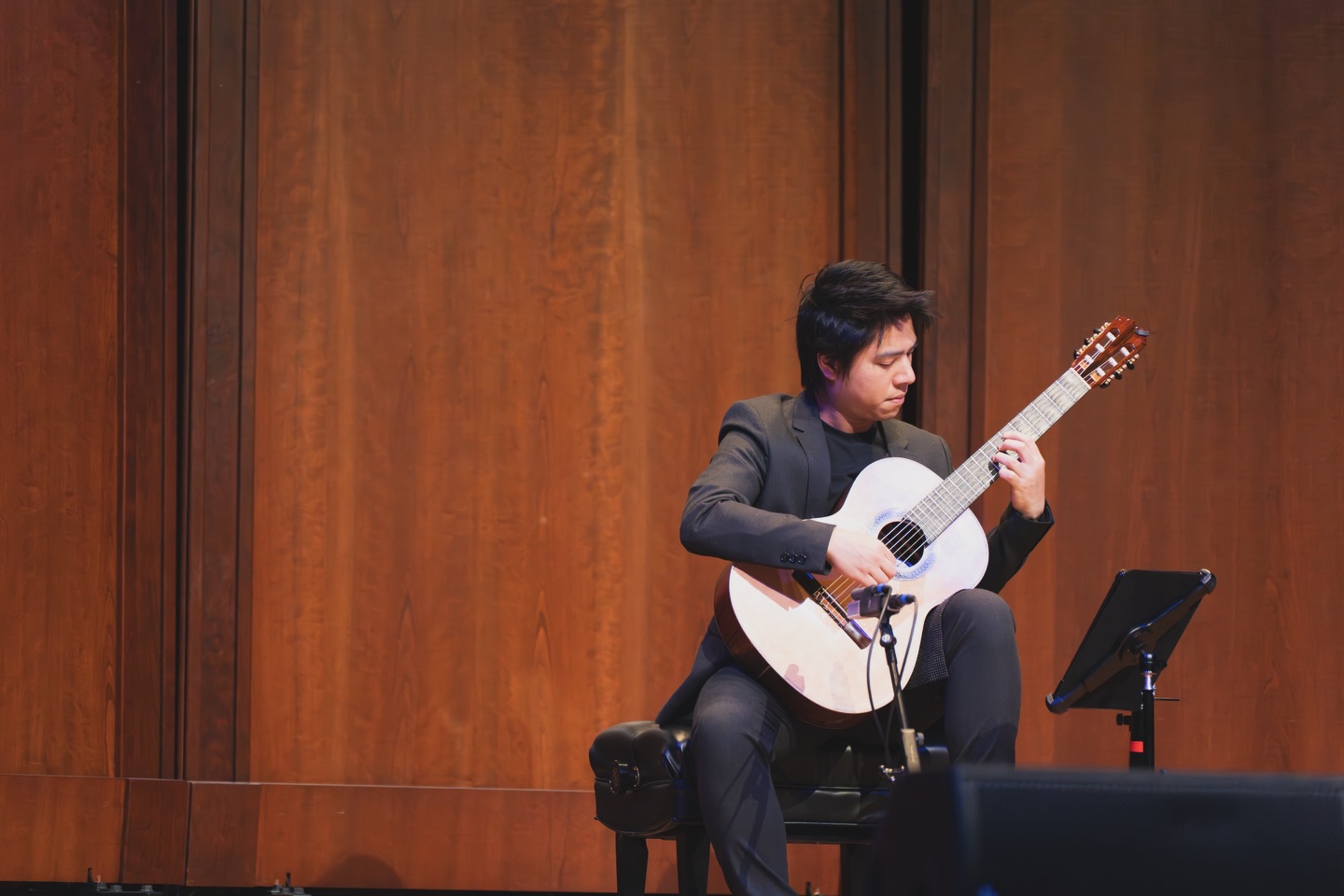 No matter their theme, most classical guitar concerts eventually circle around to a piece by one of the instrument’s most famous composers. Agustín Barrios. Heitor Villa-Lobos. Mario Castelnuovo-Tedesco. But none of those names appeared on the Cleveland Classical Guitar Society’s program on March 7.
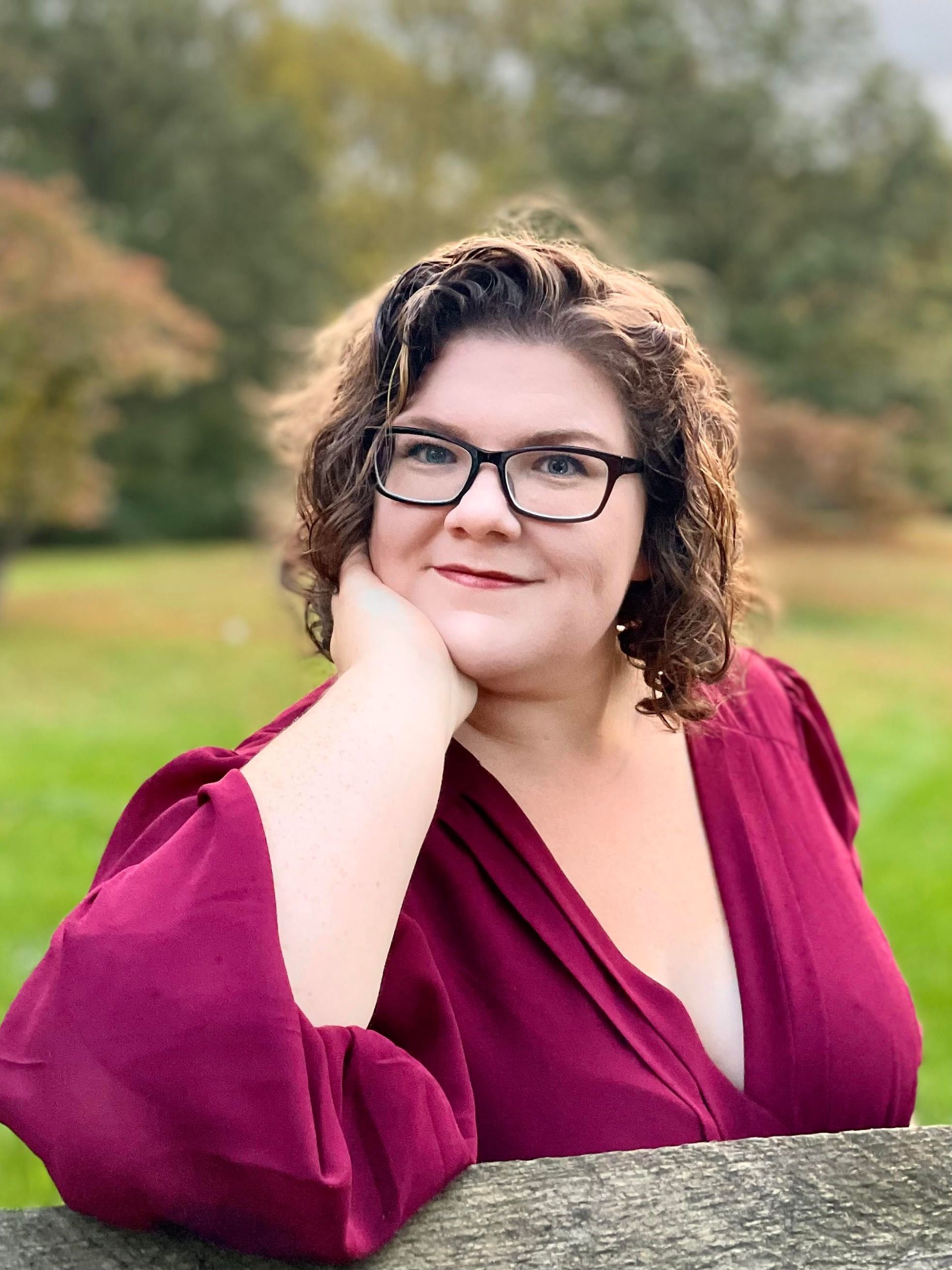 In the medieval era, musicians and poets had a different perspective on the process of creation. “They thought of composing as finding and seeking out words and notes that already exist,” Allison Monroe said in a recent phone interview. That’s why the artistic director named her ensemble Trobár — an Occitan-language word meaning “to find” or “to seek.”
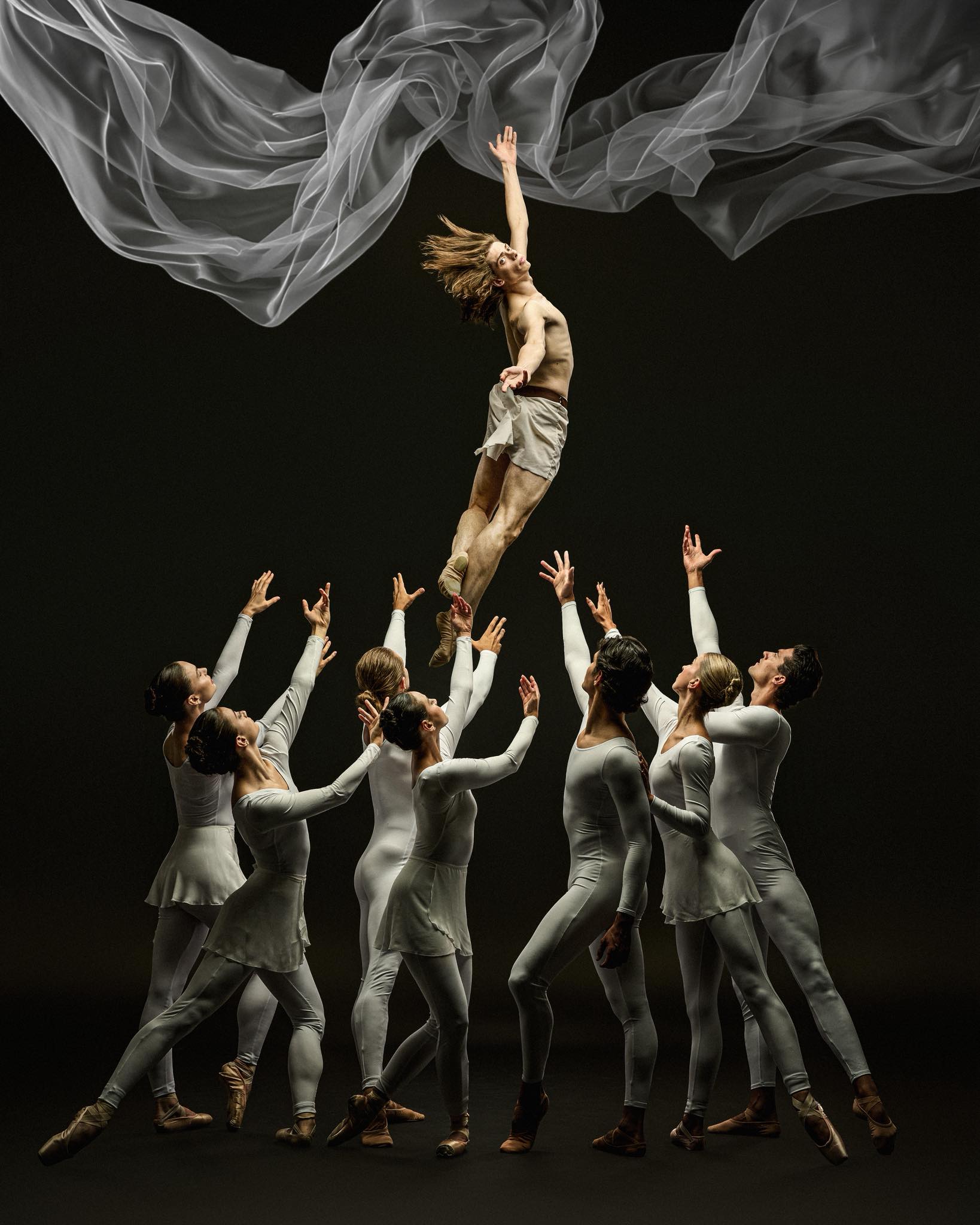 Handel’s Messiah will come to life at Playhouse Square on March 20-21 in a co-production by Cleveland Ballet, BlueWater Chamber Orchestra, and Cleveland Chamber Choir. Gregory Ristow will conduct the live musical forces as the dancers perform the iconic two-hour oratorio, choreographed by Robert Weiss.
 Perhaps the afternoon of Super Bowl Sunday is not the best time to schedule a concert. So when only a small group of people showed up at Rocky River Presbyterian Church on February 8 to hear the Thorpe Ensemble, scheduling conflicts could be assumed to be the culprit.