by Stephanie Manning
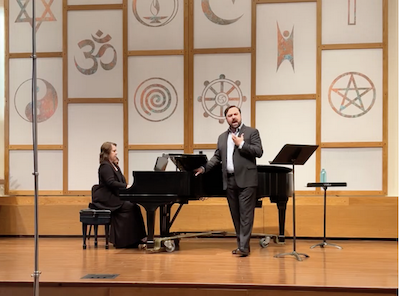
 Both parking and seating were at a premium for ChamberFest Cleveland’s June 27 concert, which concluded this year’s festival right where it began less than three weeks earlier. Kulas Hall at the Cleveland Institute of Music hosted the culmination of the fourteenth season with its optimistic program, titled “Convergence.”
ChamberFest finales often feature a seminal small ensemble work — last year it was the Brahms’ Piano Quintet in F minor, this year it was Schubert’s “Trout” Quintet. Ultimately, the final concert of 2026 leaned more traditional, a choice that felt a bit anticlimactic after a season that otherwise concentrated a good deal of energy on contemporary works.
Still, the Saturday evening performance did include one piece by a living composer: Olli Mustonen’s Nonet II. As Donald Rosenberg’s program notes reminded us, the three pieces on tap were all generally sunny and upbeat, and the players came dressed in colors to match: yellow, pink, purple, and cream, to name a few.
 Any hardcore Cleveland Guardians fan might say they’d do anything to see their team win. But would they strike a deal with the devil for it?
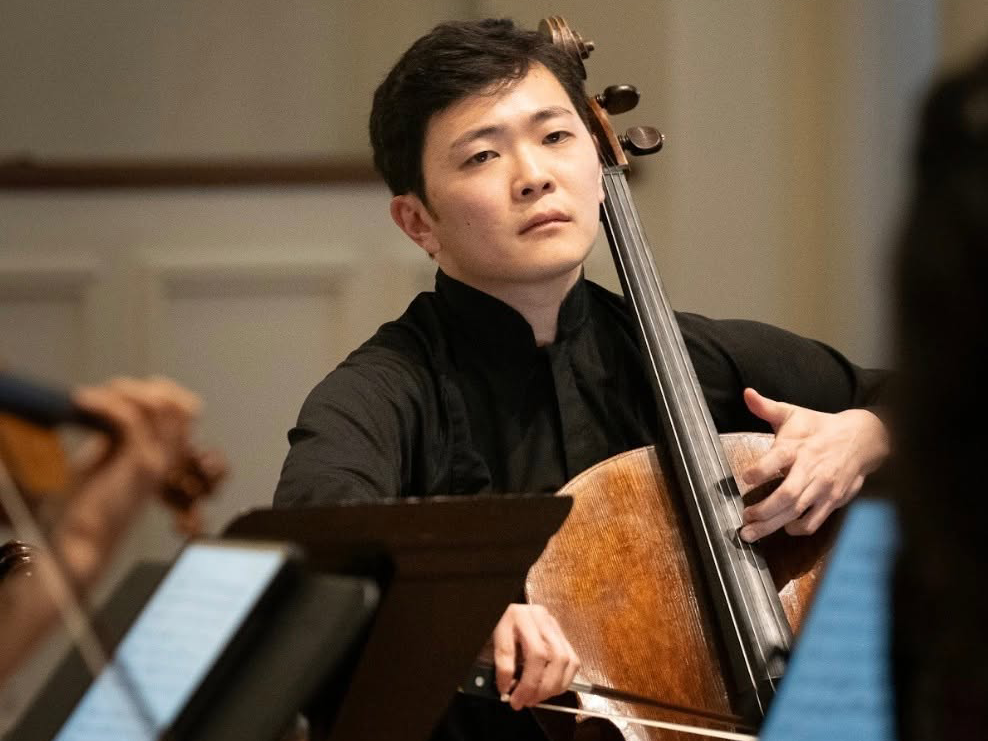 Each time a new group of musicians took the stage at Federated Church on June 13, excited whoops and cheers arose from the students of the ENCORE Summer Academy. As is traditional, the young musicians had been bussed in to hear their faculty mentors perform as part of the ENCORE – Gates Mills Music & Ideas Festival — and their delight at seeing their teachers onstage brightened the atmosphere considerably.
 Hao Yang and Kevin Loh have performed as the Kaleido Guitar Duo fewer than five times, but that felt far from obvious after hearing their recent concert at the Cleveland International Classical Guitar Festival. The two musicians — Yang from China, Loh from Singapore — have a natural chemistry, committed to exploring new works and performing them at a high level.
 With their most recent concert program, Renovare is trying something new. “To my knowledge, this is our first time collaborating with a woodwind player,” violist Clara Prinston said in a recent interview. “It’s been really fun.”
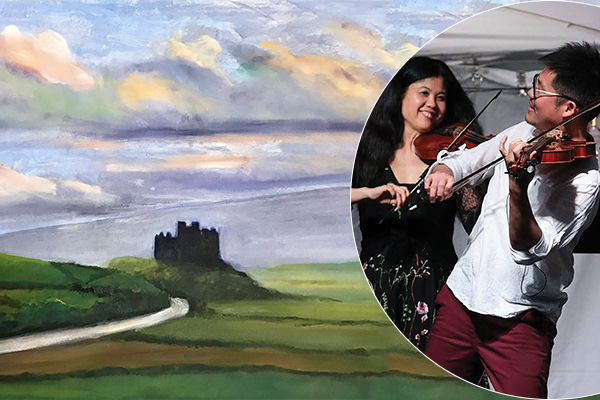 Over the past few summers, it’s become increasingly likely to find Apollo’s Fire performing at Holden Arboretum.
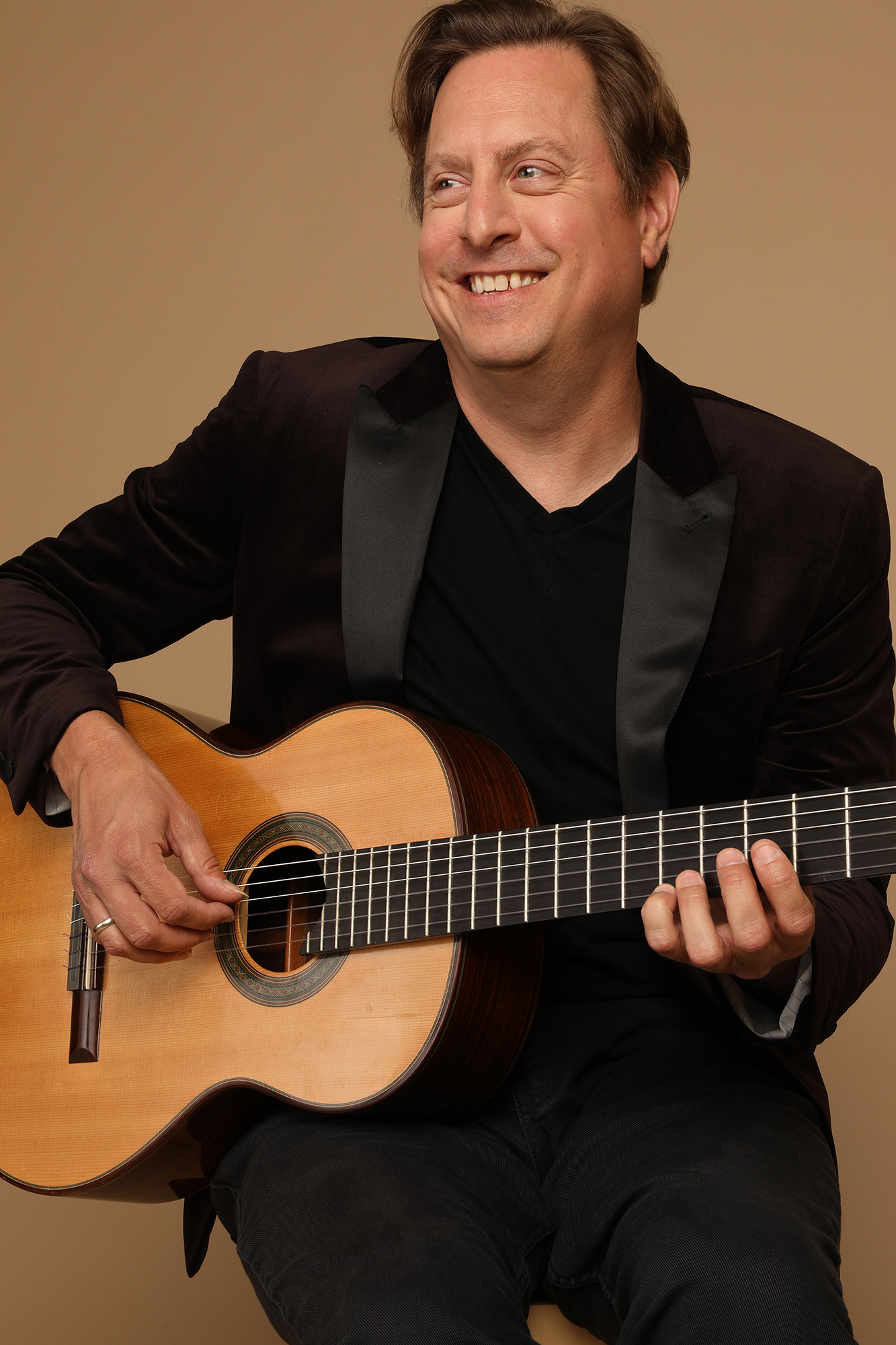 More than five minutes after the scheduled 7:30 start time on June 4, Mixon Hall still buzzed with conversation. The first concert of the Cleveland International Guitar Festival had drawn a large crowd to the Cleveland Institute of Music, and the room’s murmur quickly morphed into applause with the arrival of the evening’s headliner, guitarist Jason Vieaux.
 “HOME,” the theme of this year’s ENCORE – Gates Mills Music & Ideas Festival, has been on Jinjoo Cho’s mind for a while.
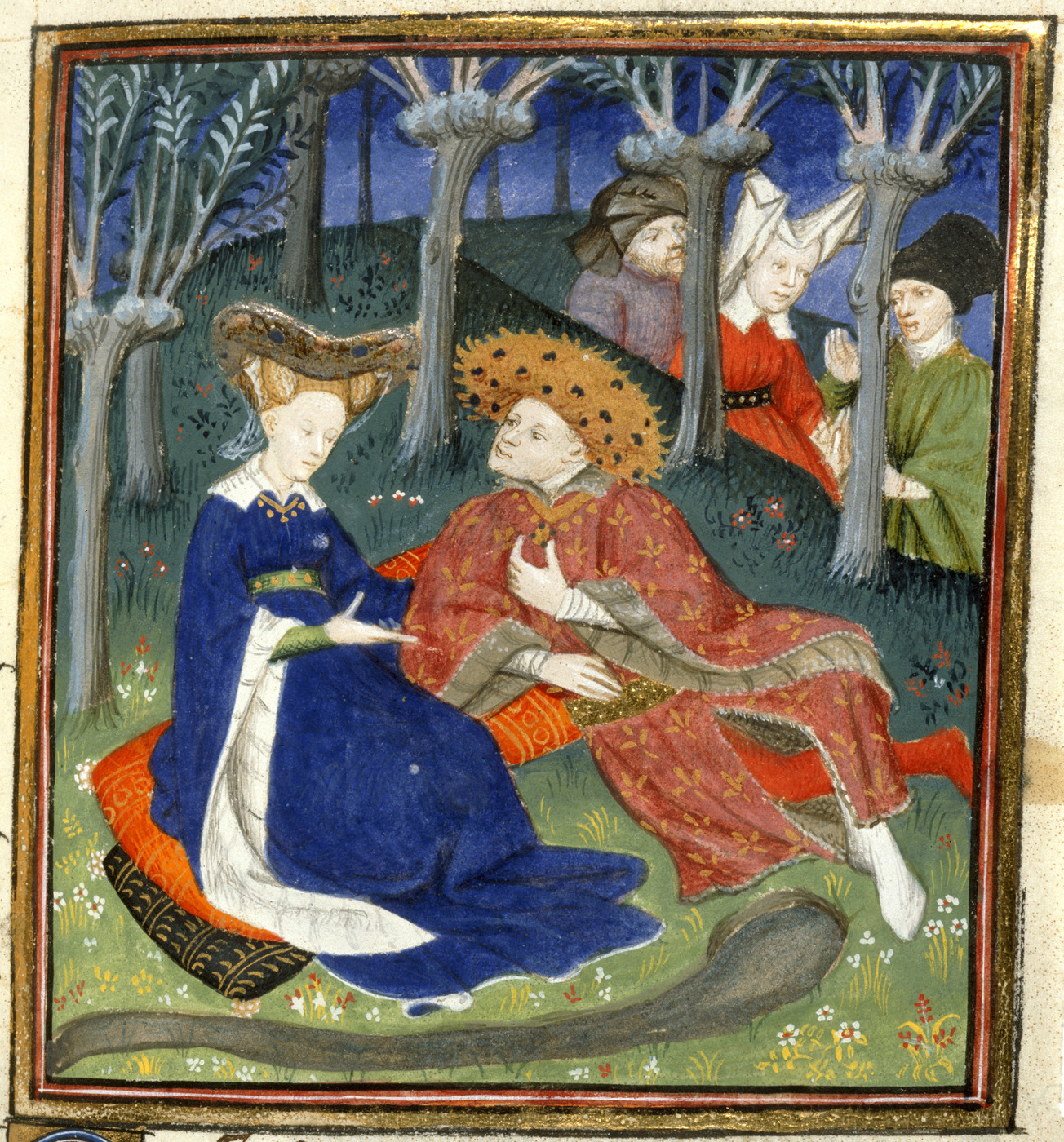 Obviously, the male perspective was not the main focus in a program called “The Lady of Medieval Song.” On May 23, Trobár’s audience at West Shore Unitarian Universalist Church primarily heard repertoire written by or about women, favoring female voices and perspectives as much as possible.