

by Stephanie Manning
HAPPENING THIS WEEKEND:
 There are plenty of concerts to enjoy over the weekend — let’s break it down day by day.
Saturday, September 11
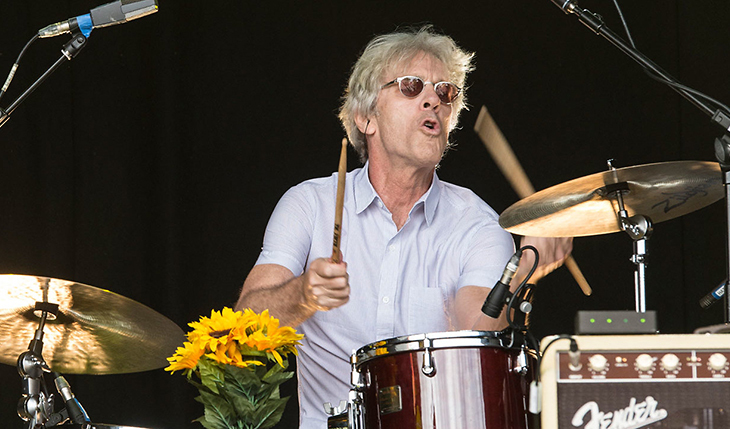
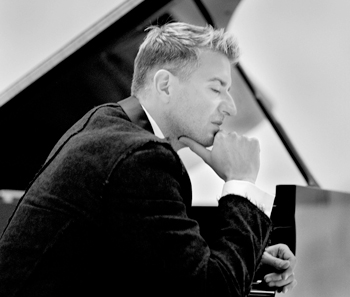
The Cleveland Orchestra concludes its 2021 Blossom season tonight at 7:30 with drummer Stewart Copeland (pictured). The founder of legendary rock band The Police will perform his work Police Deranged for Orchestra, which features some of the group’s biggest hits. Tickets available online.
The Tri-C Jazz Fest begins today at Cain Park in Cleveland Heights. The Mainstage, Colonnade Stage, and Talk Tent will feature a variety of performances throughout the day, including the Spanish Harlem Orchestra, A Moment in Cleveland, and The Funky 8. Read more details in our concert listings and buy tickets here.
Trinity Cathedral will host its 9/11 Twentieth Anniversary Commemoration Concert tonight at 7:30 pm. The program includes poetry, prose, and music by American composers Copland, Barber, Hampton, Hancock, and Paulus. Reserve your free ticket for in-person attendance or click here for the live stream.
In the afternoon, enjoy a free concert from Music at Main at the Cleveland Public Library at 2:00 pm. Pianist Roman Rudnytsky will play a program featuring pieces by Herrarte, Brahms, Prokofiev, Holst, and Bach.
Sunday, September 12
 The Tri-C Jazz Fest continues today with a full slate of programming across all stages. Highlights include Harp vs Harp (Edmar Castaneda and Grégoire Maret), Upside of Medium, and Catherine Russell. Read more details in our concert listings and buy tickets here.
The front lawn of the Historic Barder House in Akron will host Tuesday Musical’s Music al Fresco Passport Series at 1:00 and 3:00 pm. Brazilian guitarist, vocalist and storyteller Moises Borges and his quartet will interpret classic samba and bossa nova songs as well as Moises’s own work. Tickets available online.
At 3:00 pm, check out the latest concert from the Cleveland Composers Guild. “Creativity: Learning Through Experience” will feature area music students performing original compositions by Guild members. Click here to watch the free live stream.
For those interested in an in-person offering at the same time, The University of Akron will host the opening concert for the Seventh Annual Northeast Ohio Keyboard Festival. Guest pianist Henry Kelder teams up with faculty from Youngstown State University and UA in works for solo piano, duets, and eight hands on two pianos.
REMEMBERING 9/11:
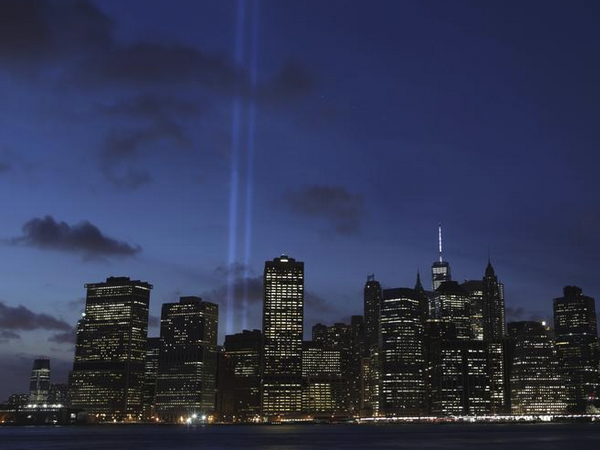 Today, as we honor the twentieth anniversary of the September 11, 2001 attacks that changed our world, take a moment to read about and listen to the classical music works which were shaped by that tragedy. An article published by WQXR ten years ago today details the way that composers were affected and how it shaped the musical responses they would create.
 In anticipation of his appearance at Blossom this weekend, drummer and rock star Stewart Copeland has put together a playlist titled “For Cleveland.” The founder of legendary rock band The Police showcases his varied tastes, including everything from “Murder by Numbers” by The Police and “Strange Days” by The Doors to selections from Carl Orff’s Carmina Burana and Caroline Shaw’s Partita for 8 Voices. Listen on
  For pianist Jonathan Biss, who
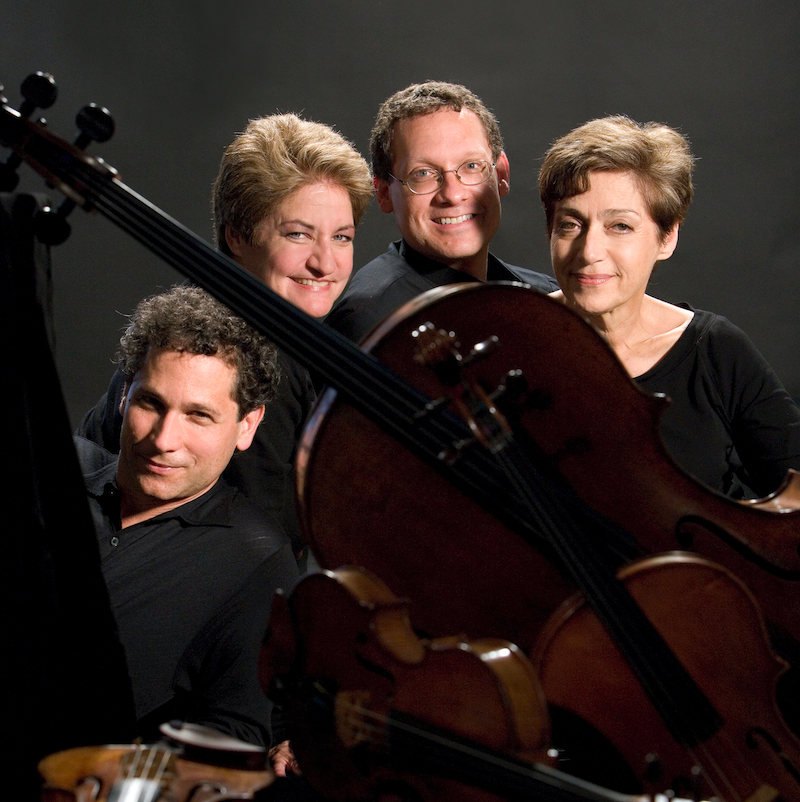
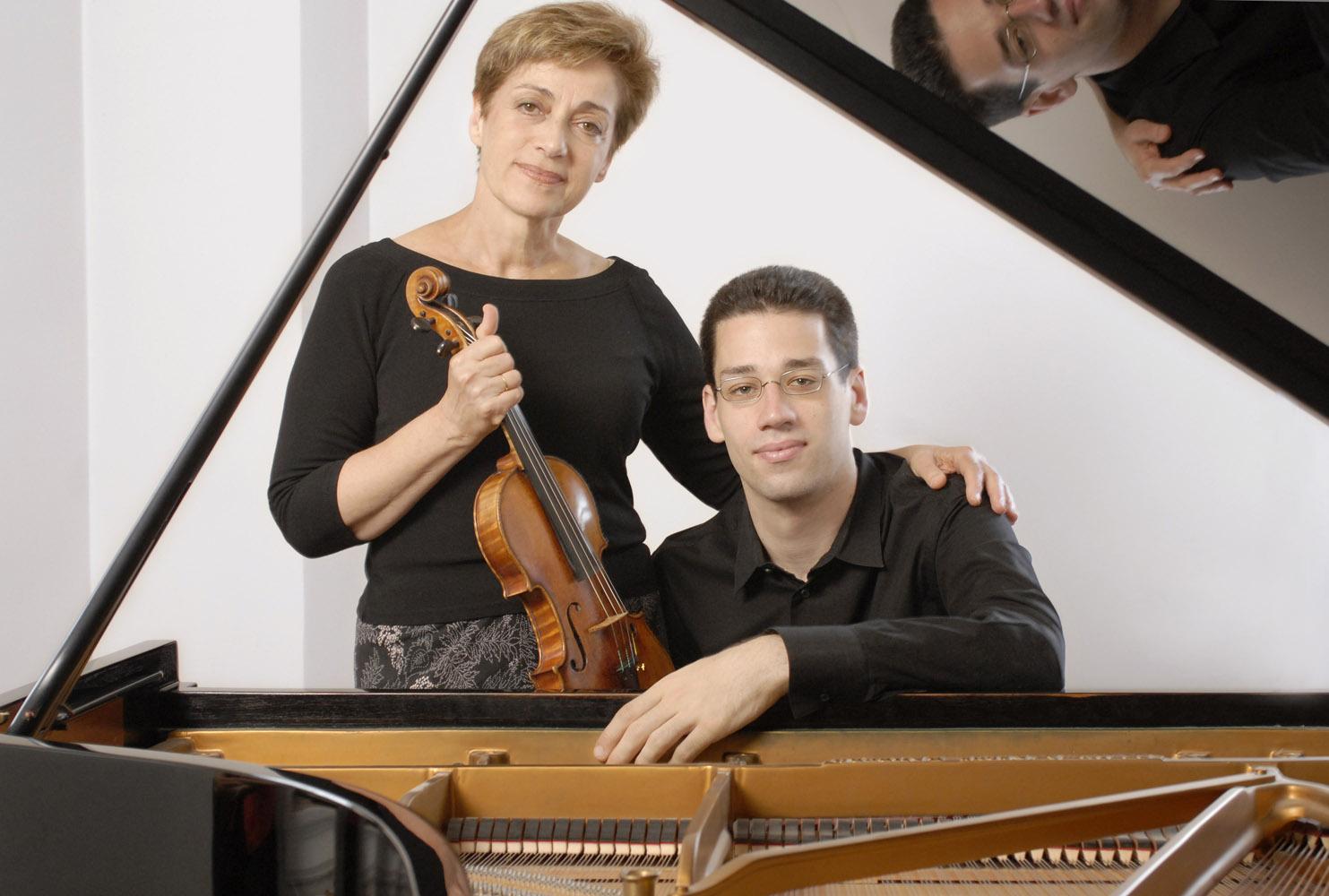
 Last year, Cleveland’s period ensemble Les Délices dared to be different with their contribution to the world of online concerts: SalonEra. Billed as a “variety show for early music,” the web series’ unique format made it a hit among audience members, director Debra Nagy said in a recent interview.
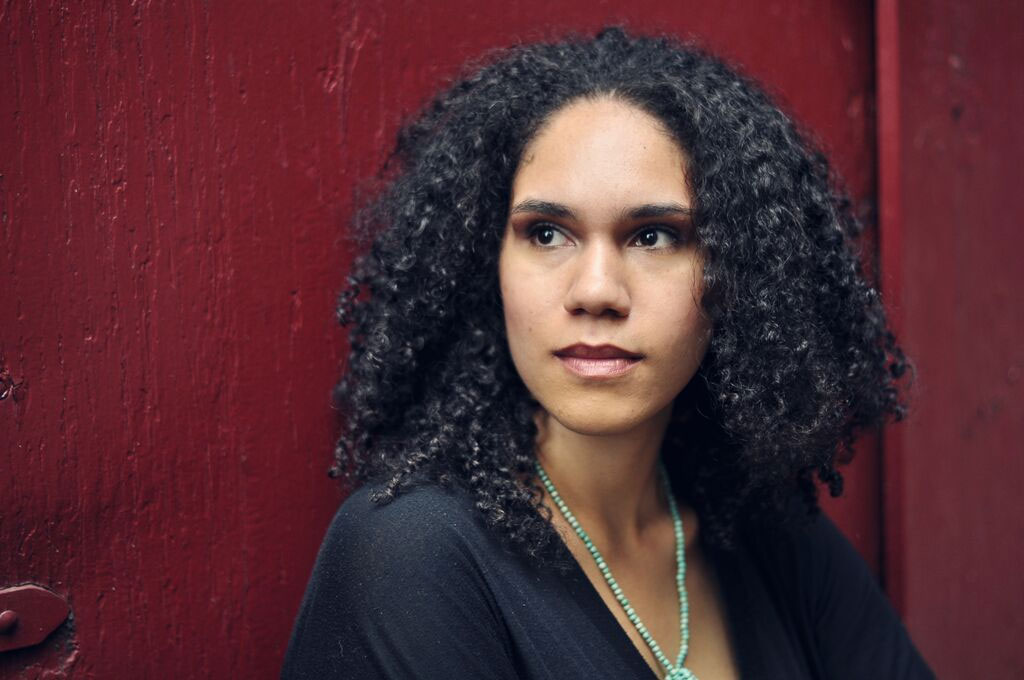 This fall’s classical music season is hard to predict — pandemic precautions, combined with questions about diversity and inclusion, will no doubt make a difference in programming and the audience experience. “The status quo will no longer suffice,” writes Anthony Tomassini in The New York Times. Read more
  Up until 1995, the Cleveland International Piano Competition — which awarded its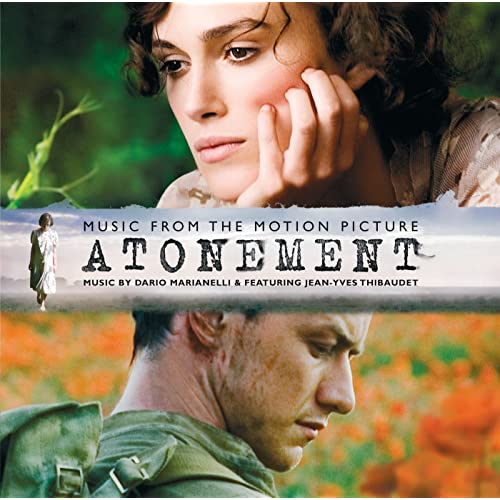
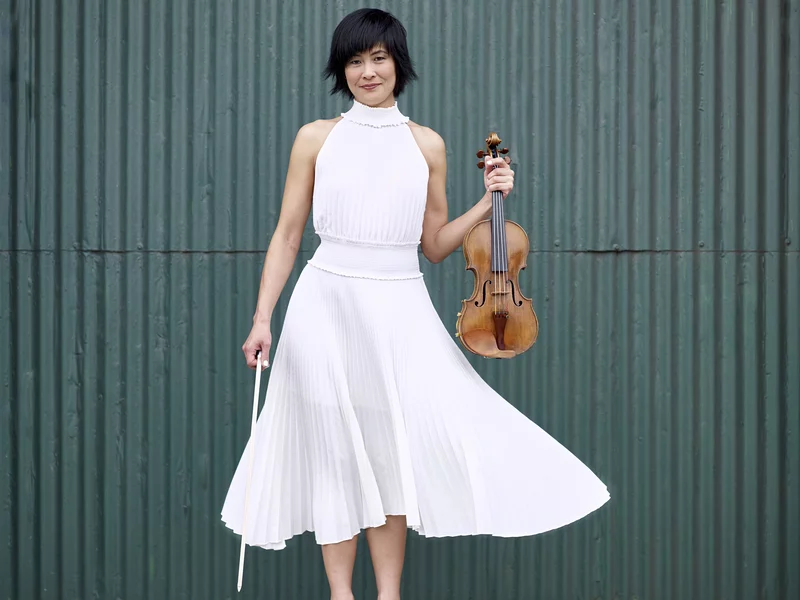 Violinist Jennifer Koh’s new album, Alone Together, is “a snapshot not just of the pandemic, but of the musical community right now,” friend and collaborator Missy Mazzoli said in a recent interview with NPR. Koh (pictured), who graduated from Oberlin, developed the project as a way to bring the musical community together after falling on hard times during the pandemic.
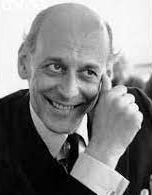 The
The 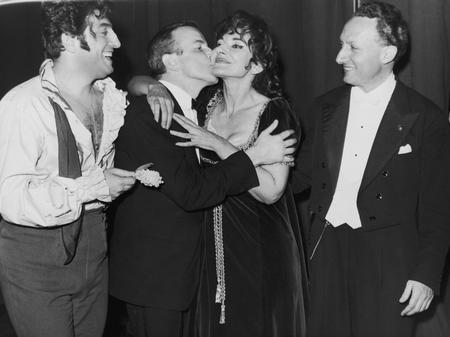
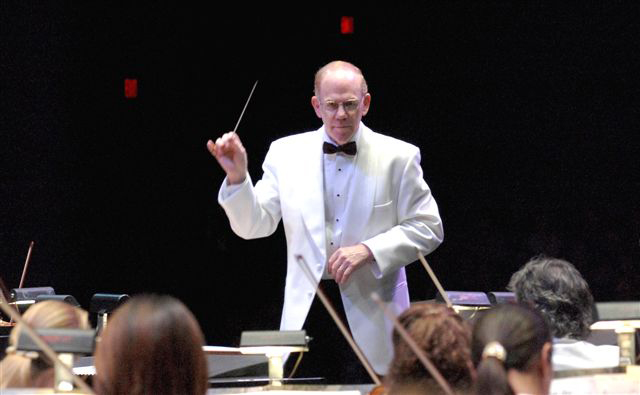 To Richard Kaufman, returning to Blossom this weekend to lead The Cleveland Orchestra in music by John Williams “is like winning the concert lottery.” The combination of a world-class orchestra, a beautiful venue, and fantastic music fills the conductor with enthusiasm for the two performances on September 4 and 5 at 7:00 pm.
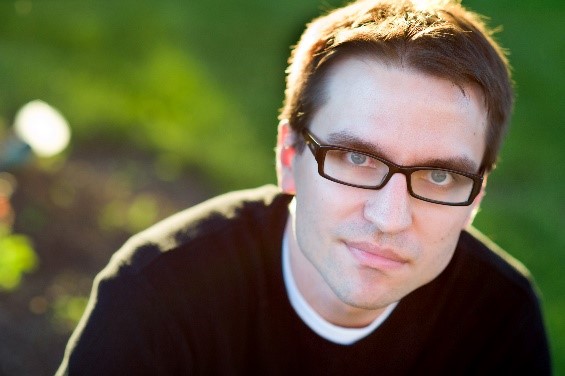 “At the Fine Arts Association, we like to say that we’ve got all the arts under one roof,” conductor Michael Lund Ziegler (pictured) remarked in a recent Zoom interview. It’s a statement that succinctly sums up the Willoughby-based organization, known for its community theatre performances and robust education programs in dance, visual arts, music, and more.
 EVENTS TODAY:
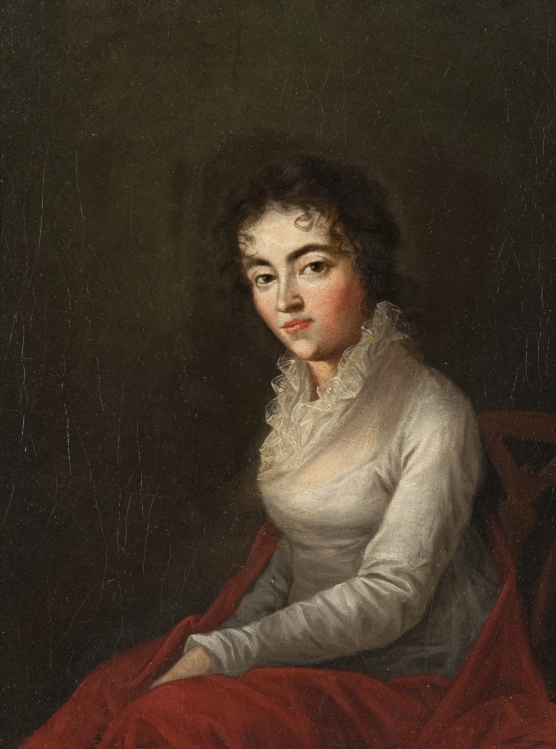 On this day in 1782, Wolfgang Amadeus Mozart married his wife Constanze, née Weber (pictured). One of four daughters, all of them singers, Weber was a musician in her own right and would later go on to inspire some of Mozart’s most renowned compositions.
 IN THE NEWS:
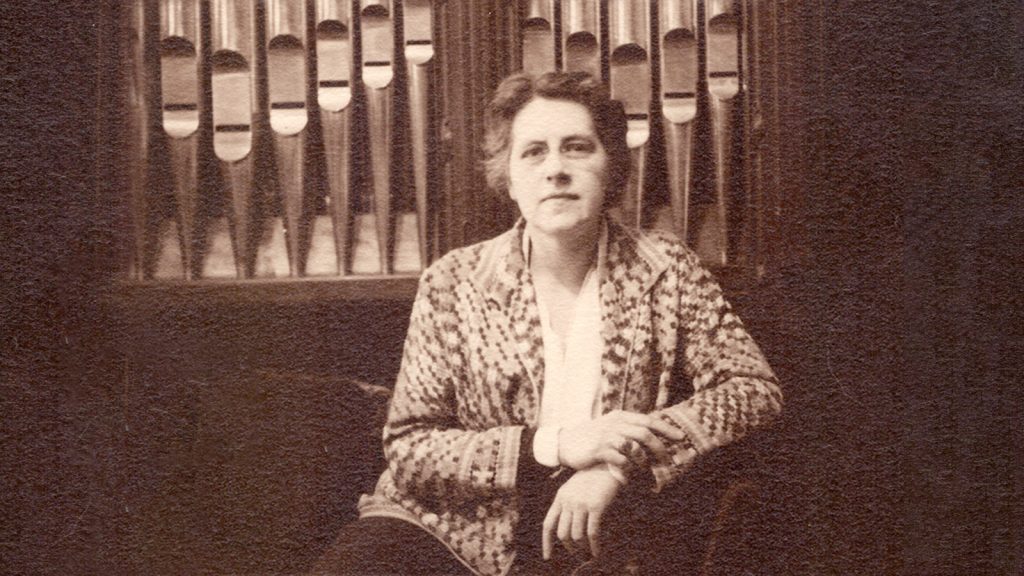
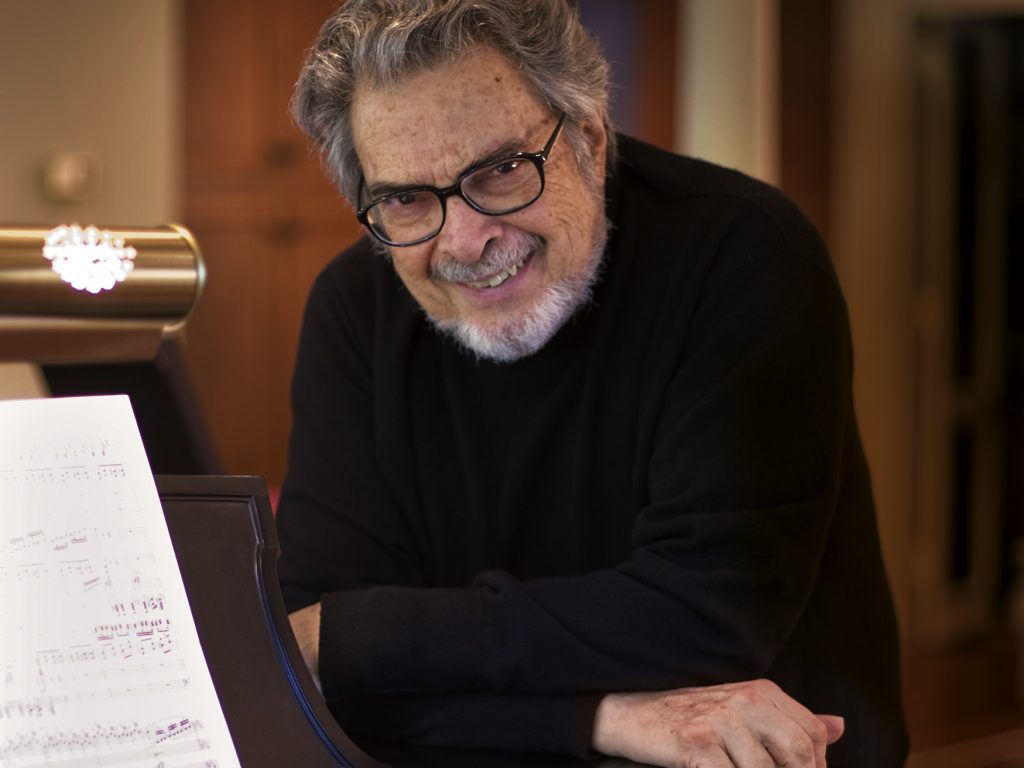 Today marks one year since pianist and conductor Leon Fleisher died in Baltimore, Maryland, at the age of 92. A child prodigy, Fleisher performed at Carnegie Hall with the New York Philharmonic at the age of 16.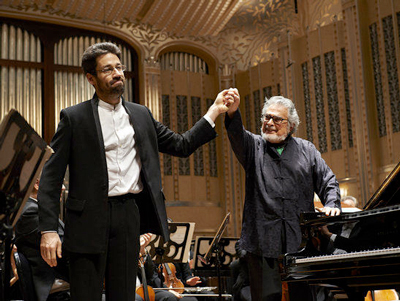
 IN THE NEWS:

 And on July 28, 1951, the film with the most songs of any Disney feature was released — Alice in Wonderland. Though now regarded as a classic, the film was initially met with a lackluster reception, leading Decca Records to decide against releasing a soundtrack album.