


by Kevin McLaughlin
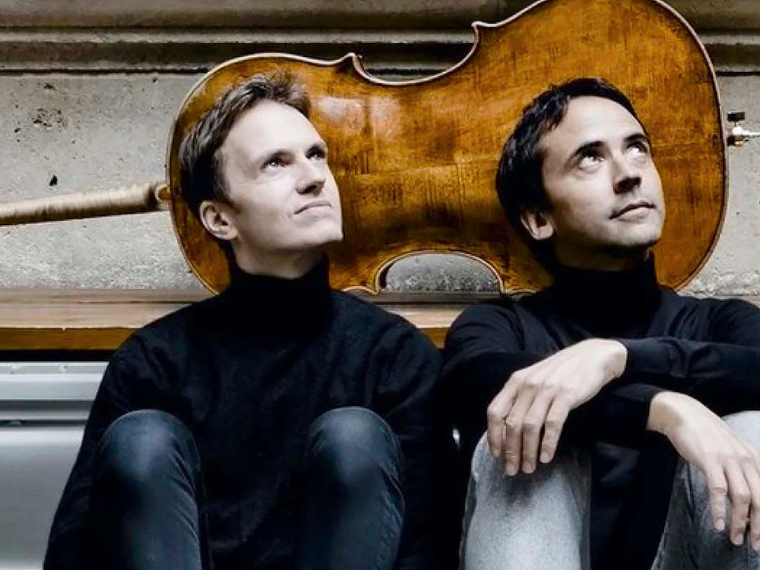
 Cellist Jean-Guihen Queyras and pianist Alexandre Tharaud have both spent half their lives in the company of each other’s musical minds.
At Oberlin’s Finney Chapel on Tuesday, November 3, they celebrated that partnership with an unconventional but rewarding Artist Recital Series program of Poulenc, Brahms, and shorter works drawn from three centuries of music.
Francis Poulenc came first, smiling through his Suite française, fashioned from the dances of Claude Gervaise — music of the Renaissance transformed by Poulenc’s irrepressible wit.
Throughout the evening, Queyras’s economical bow strokes drew wisps of sound that vanished into the ether. Tharaud watched and listened closely, responding to the cellist’s smallest gestures. Such delicacy sometimes came at a cost: the cello often disappeared beneath the piano.
 Reposted and adapted with the permission of Oberlin Conservatory
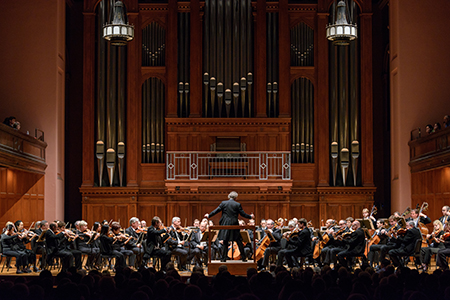
 Most famous orchestral composers are people who either conduct or listen to orchestras rather than play in them. But there is a small cohort of professional orchestra musicians who step into the composer spotlight.