

by Tom Wachunas
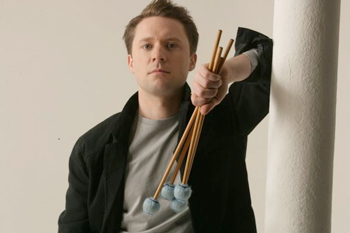 The theme of the Canton Symphony Orchestra’s season-opening concert on October 3 at Umstattd Hall with Gerhardt Zimmermann conducting was “Heroes Among Us.” It is an ambitious theme, to be sure, and one that understandably sets up an expectation of hearing truly iconic music exemplifying lofty ideals such as bravery, courage, or sacrifice. And yet I felt half the program content on this occasion to be somewhat underwhelming in that regard, if not downright peculiar. [Read more…]
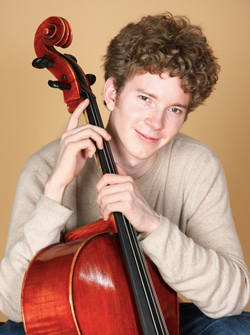 Given that the theme for the February 22 Canton Symphony Orchestra program at Umstattd Hall was “Czech Mates,” one would reasonably expect selections by Czech composers. So it’s interesting that the first work on the program was by Mozart, something of a country unto himself. His Symphony No. 38, “Prague,” is anything but Bohemian in character, and fit the bill if only because it premiered in the Czech capital to great acclaim in 1787.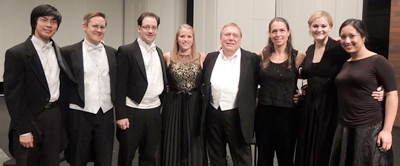
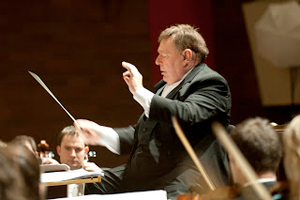 Describing this season’s final concert by the Canton Symphony Orchestra at Umstattd Performing Arts Hall on April 26 brings to mind a bevy of feel-good bromides. Still, none would be more apropos than “out of this world.”