
by Mike Telin
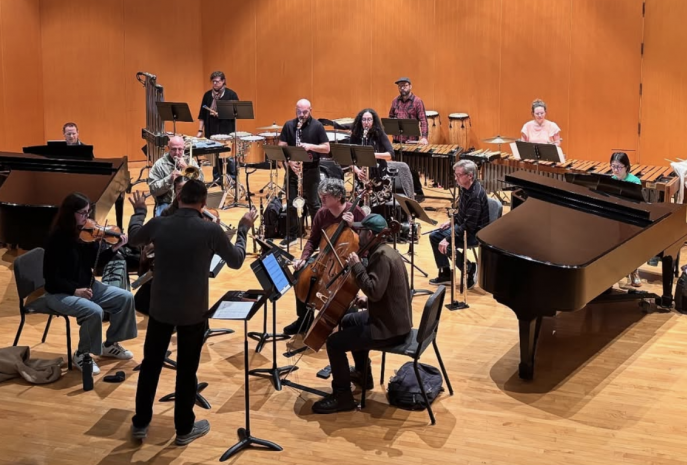 There was not an open seat to be had at Praxis Fiber Workshop on Saturday, October 25 when the adventurous new music ensemble No Exit began their 17th season with a program of four thoroughly engaging works.
As a prelude to the program, James Rhodes presented two movements from Garth Knox’s Viola Spaces, a collection of eight etudes each of which focus on an extended technique.
No. 2, “Ghosts,” examines the technique of sul tasto — on the fingerboard. Beginning with a pitchless bowing on the strings, Rhodes brilliantly produced spooky, breathy, brushing sounds. In No. 6, “Harmonic Horizons,” Rhodes took listeners on a tour of the instrument’s harmonic series. Here he produced an interesting mix of straight-tones, double-stops, trills, and slides in every register of the viola.
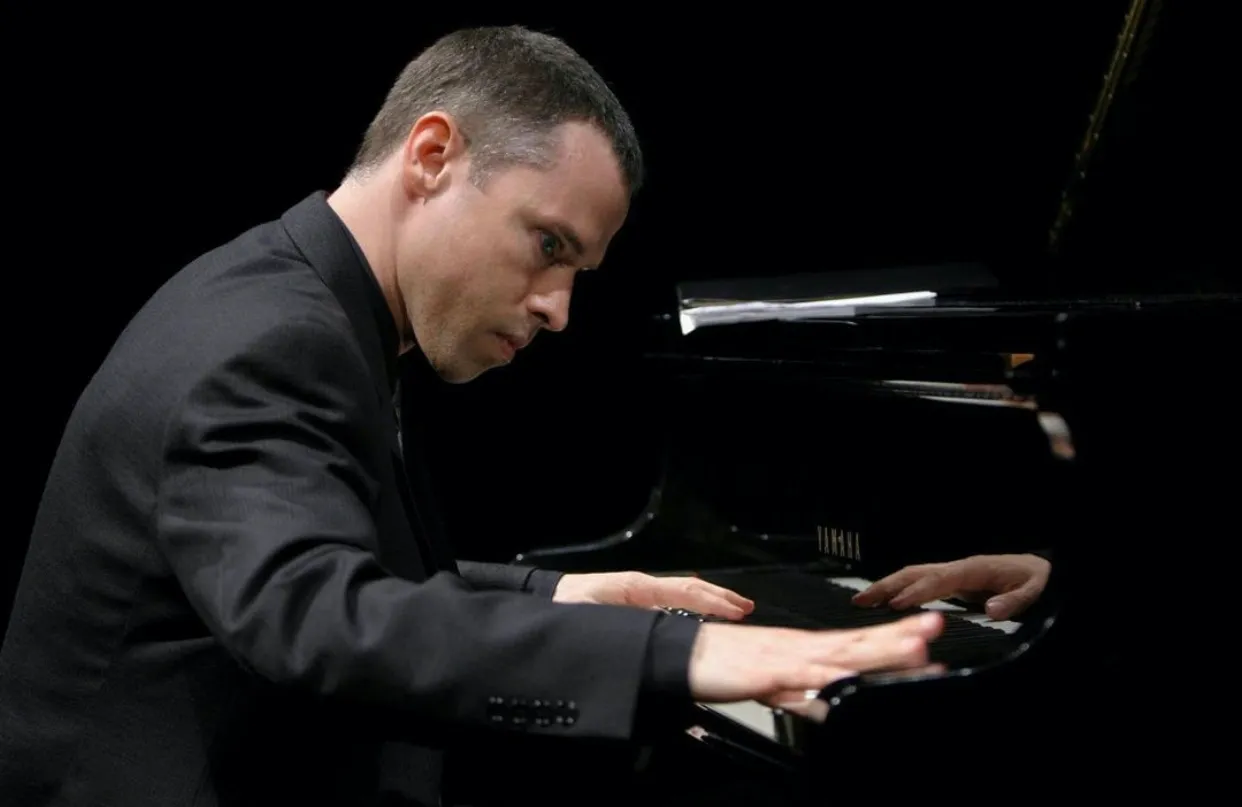 “I’ve been compelled by mid-century American modern music for some time,” pianist Geoffrey Burleson said during a Zoom conversation. “I’ve recorded all of Roy Harris’ piano music and Vincent Persichetti’s twelve piano sonatas. I recently played some of Irving Fine’s music at Mills College under the auspices of Other Minds. I’m always saddened when people dismiss the mid-century neoclassic style. I just love it, and I’m doing all that I can to revive it.”
 Music can be a powerful tool for the expression of social discourse. Sometimes it is subtle. Other times it is overt and unapologetic. Such was the case with Andrew Rindfleisch’s
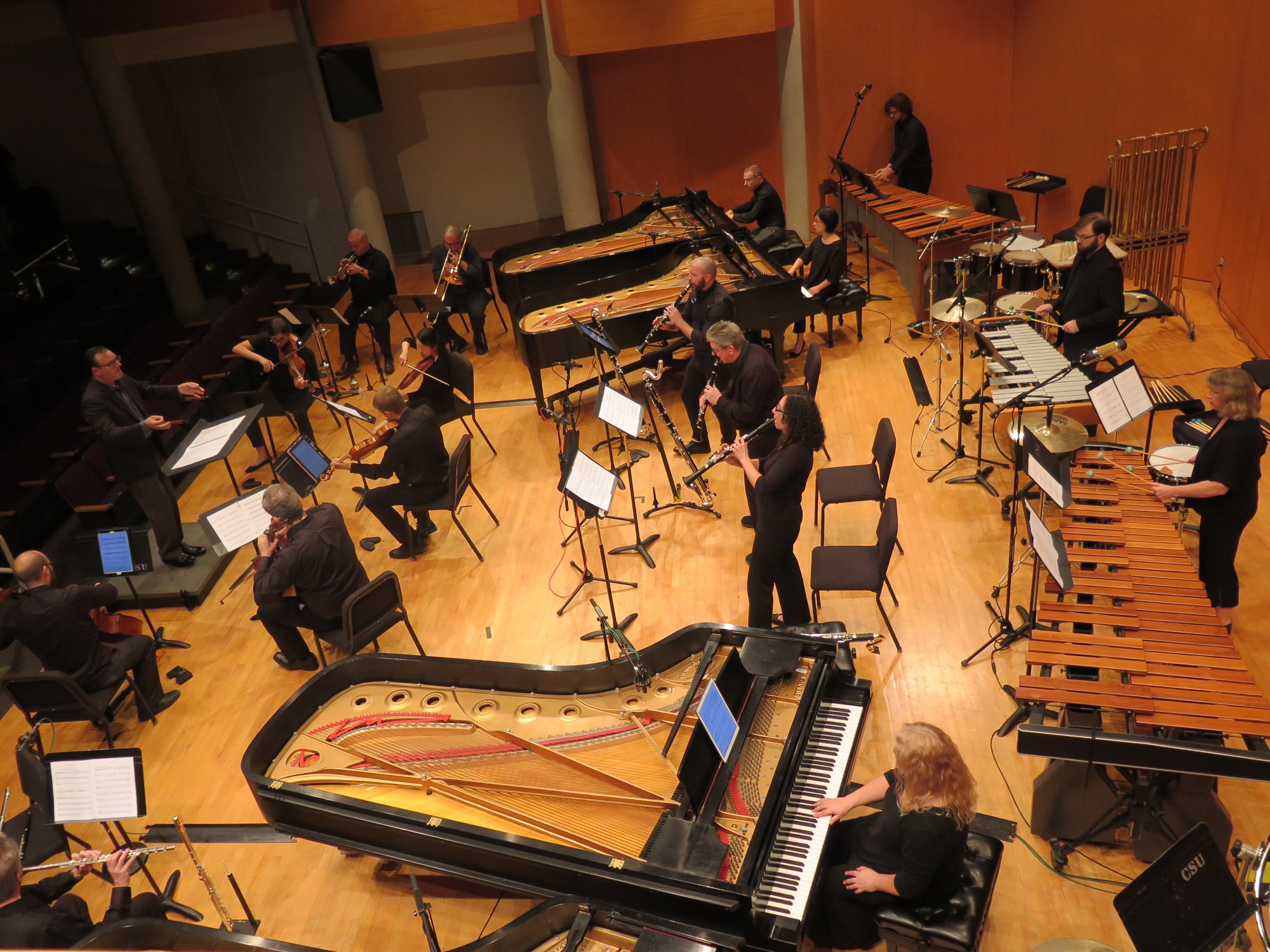
 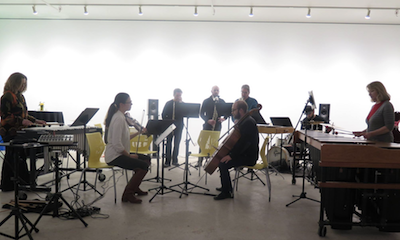 2018-19 marks the tenth anniversary of the always creative new music ensemble No Exit. And they will begin their season later this week by once again sharing a stage with Minneapolis-based Zeitgeist. “I’m just thrilled that they will be joining us for these opening three concerts,” No Exit Artistic Director Timothy Beyer said during a telephone interview. “They are they an absolutely amazing new music ensemble but they’re also great collaborators — they always bring something wonderful to the table.”