



by Peter Feher

The Cleveland Orchestra took on a timeless subject, but added a modern touch, last weekend at Severance Music Center. War was the theme of this mostly somber program that started with the disillusionment of a 21st-century composer and ended with the conflict and triumph of Beethoven’s Symphony No. 3 (“Eroica”).
In a different ensemble’s interpretation, that trajectory could sound aggressive and even dispiriting. But with guest conductor Nikolaj Szeps-Znaider, the Orchestra committed to finding the beauty in every phrase, redeeming the rough edges of an otherwise excellent performance on Thursday, October 13.
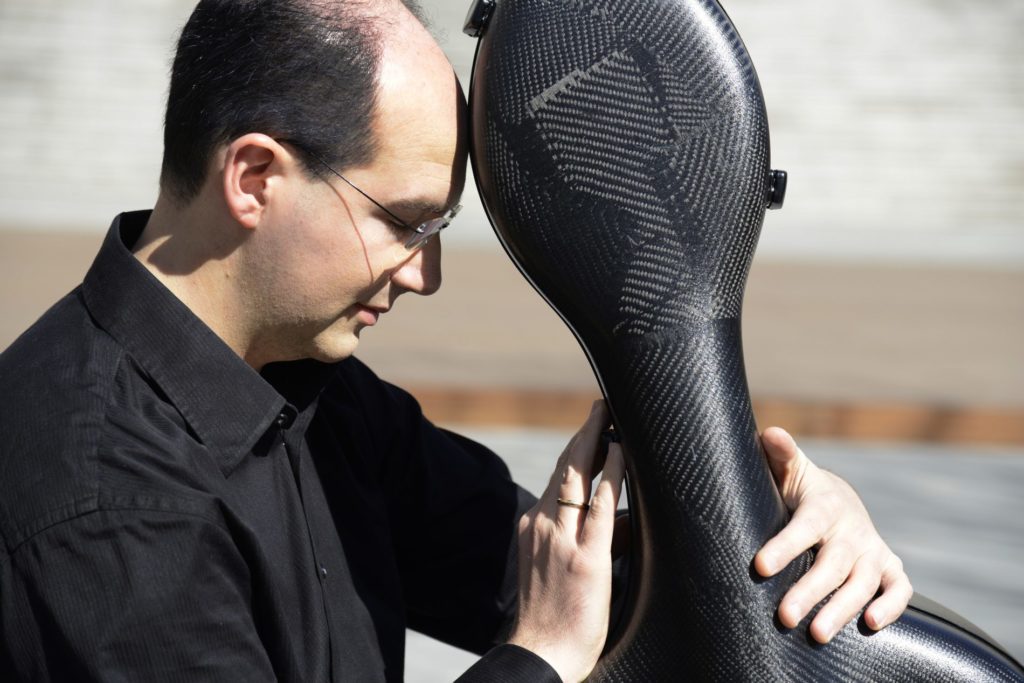 Since joining The Cleveland Orchestra as principal cello in 2010, Mark Kosower has thrilled audiences with his performances of concertos by Ginastera, Haydn, Dvořák, Barber, and Tchaikovsky.
 Franz Welser-Möst led the final bows on Saturday night at Severance, like the star of any show should. The Cleveland Orchestra’s music director is in his element presiding over the ensemble’s annual opera production, which this season packs the drama. Verdi’s Otello — in a concert staging that opened May 21 and runs for two more performances (May 26 and 29) — demands big voices, instrumental forces to match, and a conductor who can give it all shape and direction.
 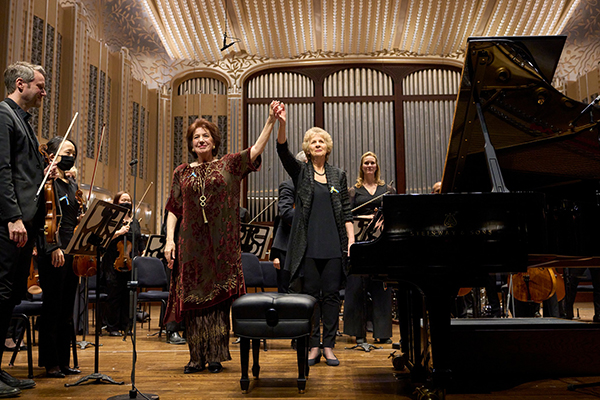 Half Mozart and half British, the repertory at Severance Music Center on Sunday afternoon, March 27 gave The Cleveland Orchestra multiple opportunities to shine under the baton of Dame Jane Glover, who organized the proceedings with a keen sense of style and narrative. And Dame Imogen Cooper, her compatriot in the Most Excellent Order of the British Empire, crafted a memorable account of Mozart’s richly symphonic Piano Concerto No. 22.
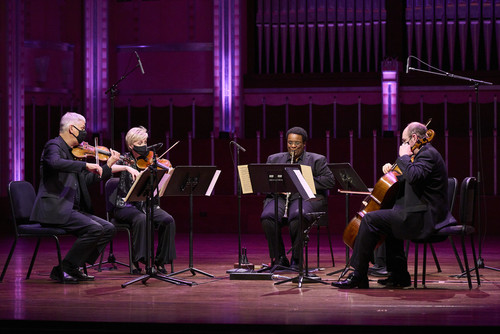 Much had changed in the 130-some years that separate Wolfgang Amadé Mozart’s Vienna from that of Alban Berg. The Cleveland Orchestra titled episode 11 of its In Focus digital series “Order and Disorder,” presumably to contrast Mozart’s well-behaved, Enlightenment-inspired Clarinet Quintet from 1789 with the societal chaos reflected musically in Berg’s Lyric Suite, three of the six movements from the composer’s 1925-1926 String Quartet that he arranged for full string orchestra in 1928.
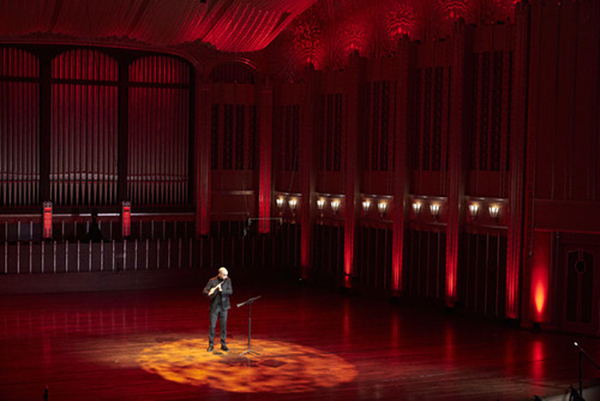 Wind players have arguably been the most frustrated instrumentalists during the pandemic. When you pursue your art and livelihood by forcing air from your lungs through an instrument, you’re among the most likely candidates to spread the novel coronavirus, thus your near exile from concert halls.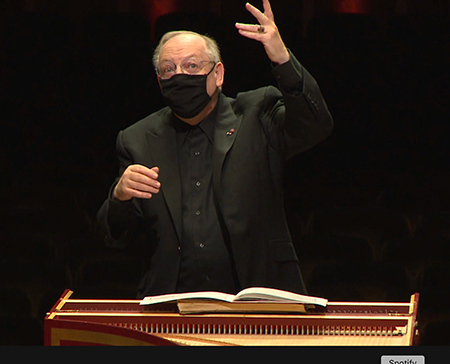
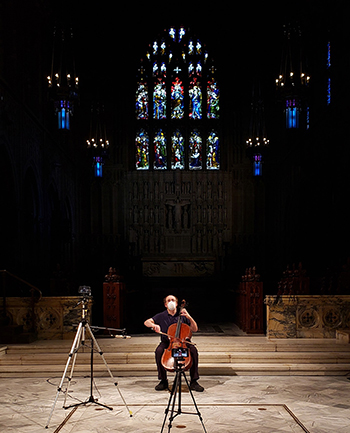 Would it matter if the best-ever performance of Bach’s Suites for solo cello took place in a cinder block closet with no one listening? The question, which one could safely and simply answer “no,” may seem like a dull retread of the classic “if a tree falls…” formula. However, it raises a question of its own: how much can the venue and framing of a performance do to elevate a musical experience?
 Cellist Mark Kosower has long believed that the music of J.S. Bach can bring people together. His live-streamed performance from Trinity Cathedral on Friday, June 5, revealed how deeply he feels about that: perhaps what was most healing was his passion itself.