by Neil McCalmont
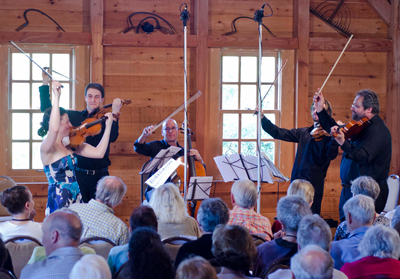
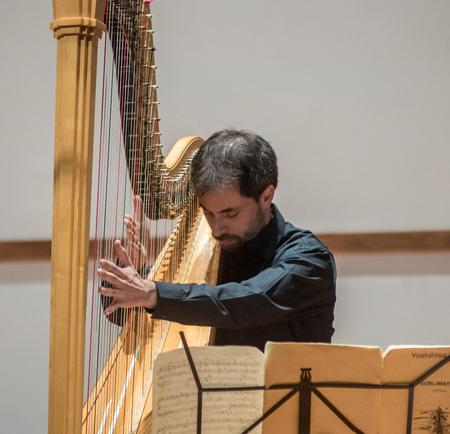 Before a performer set foot onstage at the United Methodist Church in Chagrin Falls on Monday, June 27, the solemn title to ChamberFest Cleveland’s “Last Words” set the tone for the evening — this was not going to be music you’d whistle along to. [Read more…]
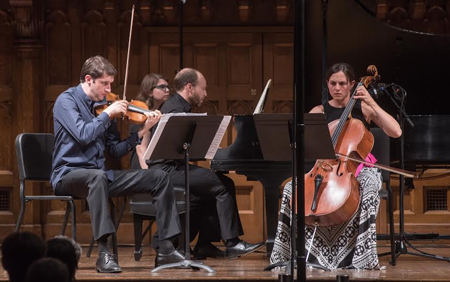
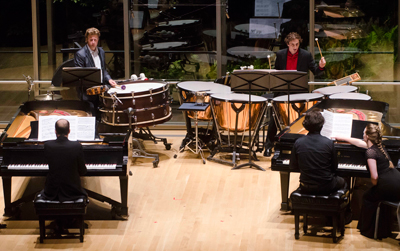
 Three has been the magic number throughout ChamberFest 2014, and nowhere more than in its closing concert in CIM’s Mixon Hall on Sunday afternoon. The music was rich and, as usual with ChamberFest, the musicianship masterful. This very enjoyable program, titled “3X,” included three works, each featuring instruments in multiples of three.
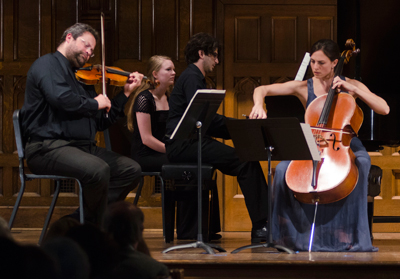
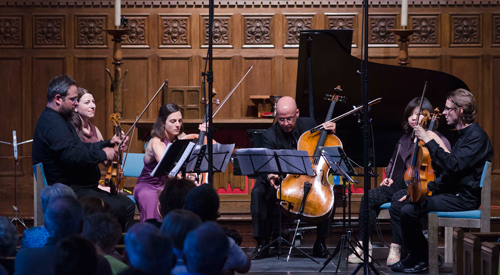 Intelligent programming at its best not only uncovers interesting musical connections, but can also lend insight into the world beyond music. The repertoire for ChamberFest’s eighth concert, at Fairmount Presbyterian Church, is a fine example. The juxtaposition of three works from a 35-year period by “Three Bouncing Czechs” provided a glimpse into different historical moods, revealing the drastic psychological damage wrought by World War I.
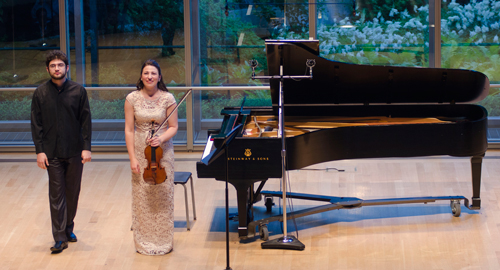 “I would write to you only by means of music,” said Robert Schumann in a letter to his wife, the composer and pianist Clara Schumann. Theirs is a storied coupling, beginning against the wishes of Clara’s father, ending with Robert’s mental breakdown and early death, and complicated by their close relationships with Johannes Brahms. All three being heart-on-their-sleeve Romantic composers, and with Robert’s letter in mind, it makes sense to explore this “Love Triangle” through their music.
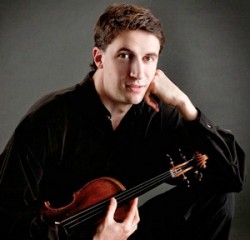 Sometime in the next year, Noah Bendix-Balgley will leave his position as concertmaster of the Pittsburgh Symphony Orchestra, which he won when he was 27 in 2011. Why leave such a desirable chair, especially when he was appointed at such a young age? To become first concertmaster of the Berlin Philharmonic, one of the most prestigious orchestras in the world.