

by Timothy Robson
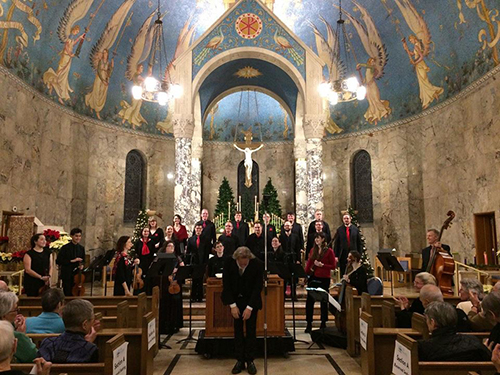 In what must have been among the most alluring Christmas music concerts of this season, period instrument ensemble Les Délices (Debra Nagy, director) and Quire Cleveland (Jay White, director) teamed up to present French Baroque music for Christmas, highlighted by the Messe de Minuit (“Midnight Mass”) by Marc-Antoine Charpentier (1643-1704). [Read more…]

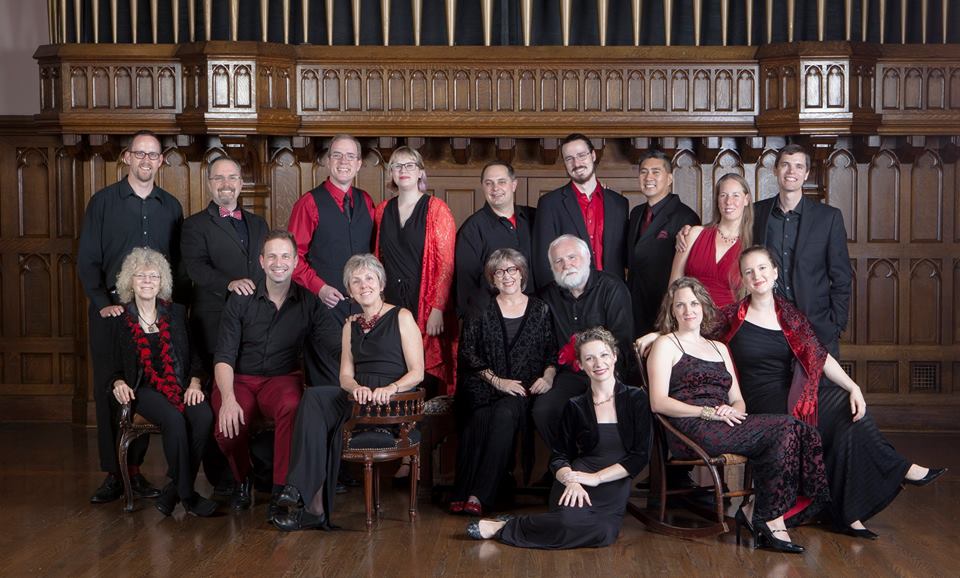
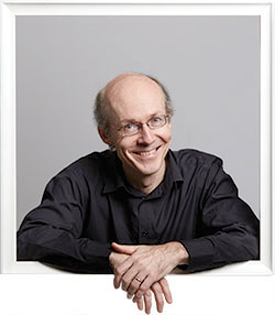
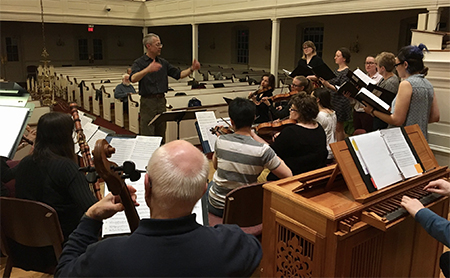 A long-overdue collaboration between two of the area’s eminent chamber ensembles yielded divine results when Les Délices and Quire Cleveland came together on Saturday, April 28 at Lakewood Congregational Church for “Let the Heavens Rejoice!” The program showcased celebratory French Baroque psalms for 22 voices, 14 instruments, and a quartet of vocal soloists, all under the direction of guest conductor Scott Metcalfe.
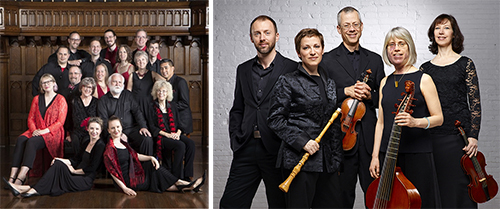 “In many ways we’re long overdue for a collaboration, and I wanted to do something that neither group could do on their own,”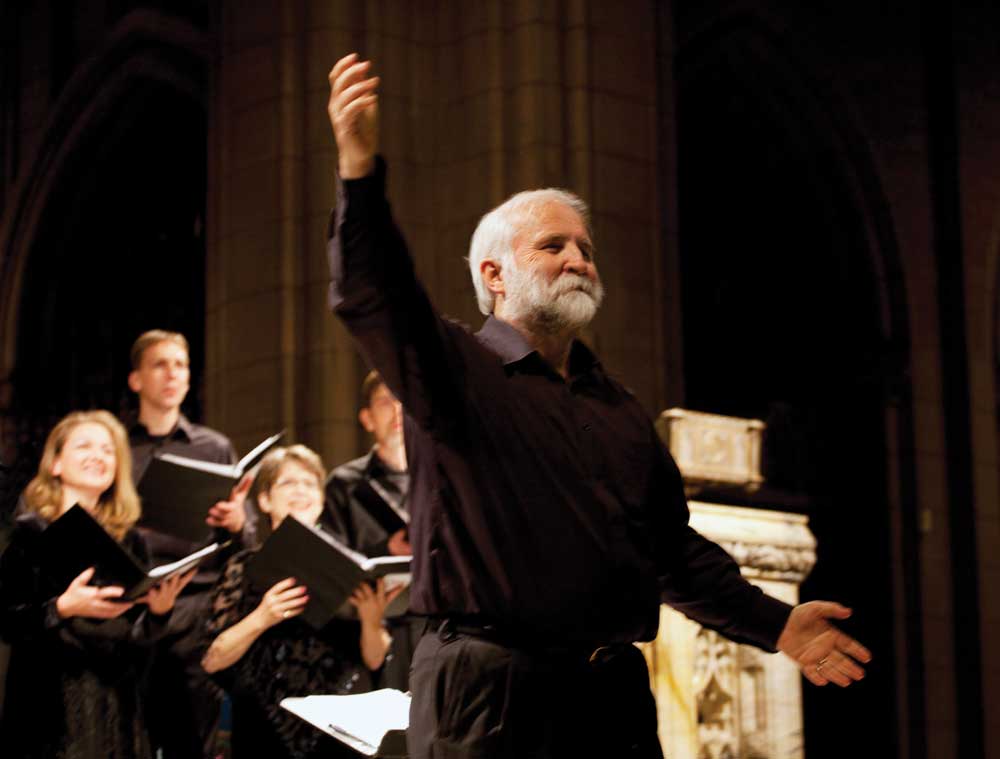
 “Rise up, my love, my fair one, my dove, and come away. For, lo, the winter is past, the rain is over and gone; The flowers appear on the earth; the time of the singing of birds is come, and the voice of the turtle is heard in our land; The fig tree putteth forth her green figs, and the vines with the tender grape give a good smell.”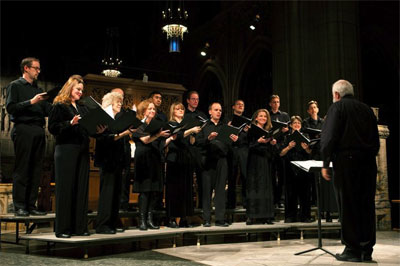
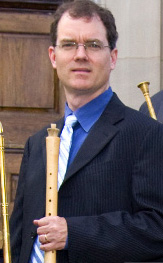 Ciaramella, the Renaissance Wind Band, is in town this week for a masterclass and concert at Case. We reached shawm player Adam Gilbert in Los Angeles to ask about his career as a specialist in early wind instruments.