

by Mike Telin
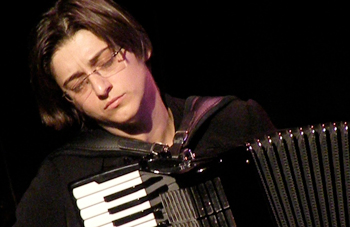 “I have always been fascinated by the Sarajevo Haggadah, with its story and amazing history,” Bosnian-born accordionist and composer Merima Ključo told ClevelandClassical.com in a 2015 interview. “After reading Geraldine Brooks’s People of the Book, I became obsessed with the idea of a project that would musically and visually follow the Haggadah’s journey from Spain to Sarajevo.”
Dating from 14th-century Spain, the Jewish prayer book that became known as the Sarajevo Haggadah went through many hands before ending up in Bosnia, having been rescued from destruction by such unlikely figures as a Jesuit priest in Venice and a Muslim imam in Sarajevo — who hid it from the Nazis in the library of his mosque during World War II after it was smuggled out of the Bosnian National Museum by its chief librarian.
That project was presented at the Cleveland Museum of Art in its original scoring for accordion and piano in November of 2015. This week Merima Ključo will return to Cleveland for six free performances of her orchestrated version of the work with Avner Dorman and CityMusic Cleveland as part of the orchestra’s “Two Faiths: One Spirit” project. [Read more…]
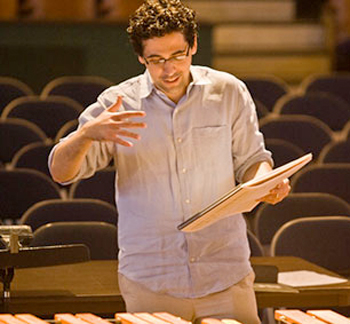
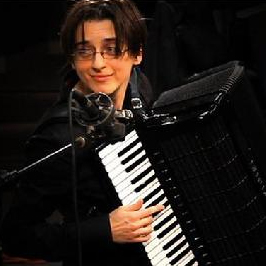 The plangent sounds of Merima Ključo’s accordion, combined with an arsenal of musical effects from pianist Seth Knopp and evocative video art by Bart Woodstrup, told the affecting saga of a medieval Jewish prayer book last Wednesday evening in Gartner Auditorium at the Cleveland Museum of Art.
 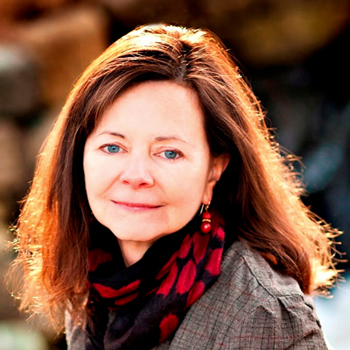 “Nobody who comes to the performance will regret it. I promise,” Pulitzer Prize-winning author Geraldine Brooks exclaimed during a telephone conversation. On Wednesday, October 28 at 7:30, the Cleveland Museum of Art’s Performing Arts Series will continue with Merima Ključo’s “The Sarajevo Haggadah: Music of the Book,” a multimedia work for accordion, piano, and video. The piece traces the story of a precious Jewish prayer book’s journey from medieval Spain to 20th-century Bosnia — where it was hidden and rescued during World War II — to its restoration by the National Museum in Sarajevo after the 1992-1995 war.
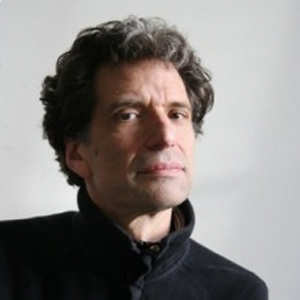 “When we leave conservatory, our available time to do things that are out of the routine of everyday life dwindles considerably,” pianist and Yellow Barn artistic director Seth Knopp pointed out during a telephone conversation. “Whether you’re a touring musician or piecing together a living, it’s hard to find time to dedicate yourself to one project. Our residencies are a chance for musicians to immerse themselves in their work.”
 50-foot-long string instruments; traditional music from the Republic of Kyrgyz, Ireland’s “Wild West,” and the Balkans; dialogues between deep flamenco song and Iranian classical music; Egyptian classical music of the golden age; an a cappella sound track to a silent film about Joan of Arc; two prominent string quartets, an organ recital, and a multifaceted violinist — that list gives just a quick rundown on the variety of concerts the Cleveland Museum of Art has planned for its 2015-2016 Performing Arts Series, both in Gartner Auditorium at the museum and at its near-West Side gallery, Transformer Station.