

by Stephanie Manning
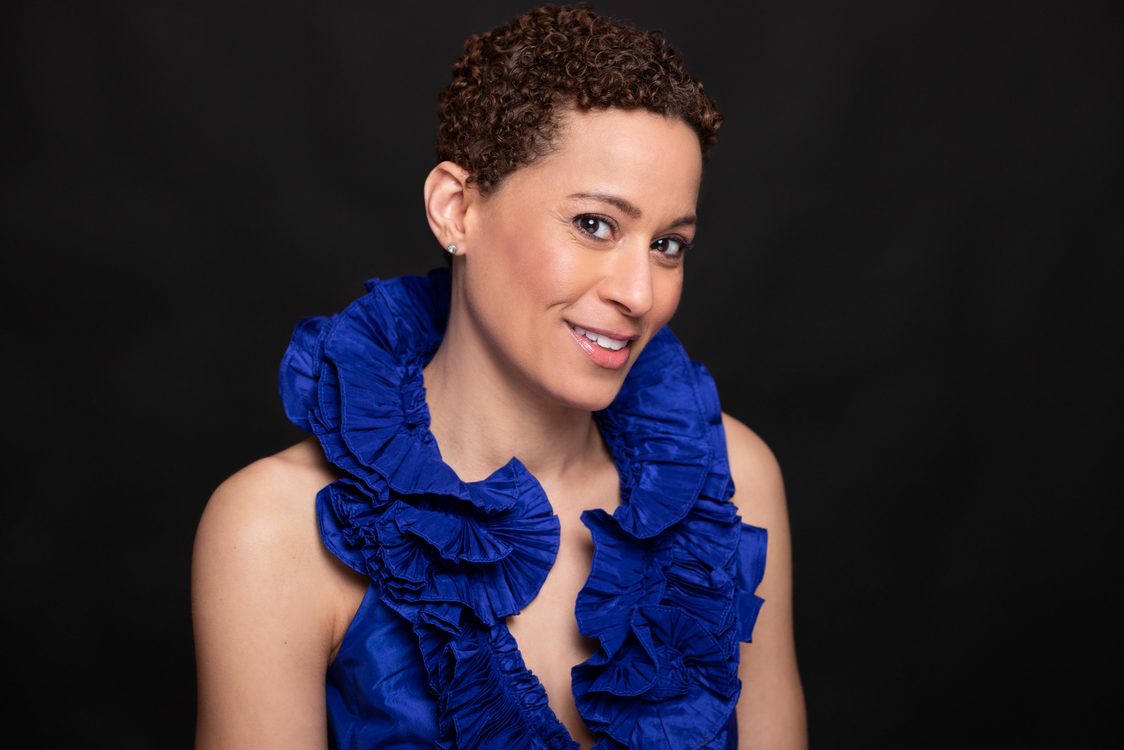 Since joining the Oberlin Conservatory voice faculty in 2019, soprano Katherine Jolly has kept up with her performing career. But doing so usually takes her outside of Northeast Ohio.
“ I travel a lot for my outside engagements,” she said in a recent interview. So, being the featured soloist on a program with both the BlueWater Chamber Orchestra and Cleveland Chamber Choir “is pretty special.”
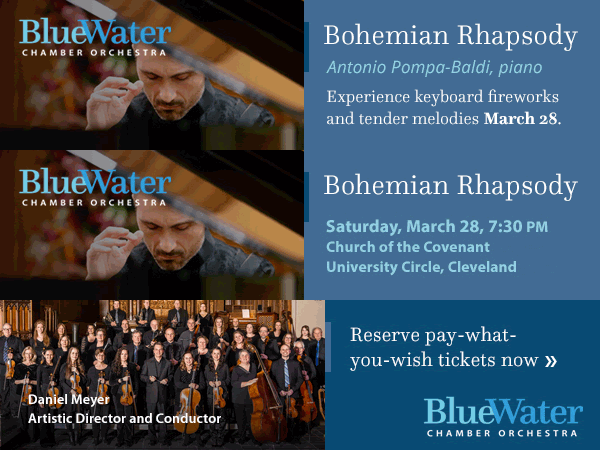
On Saturday, May 17 at 7:30 pm, the two local ensembles will collaborate to present “I Believe! Knitted Voices of Justice and Faith.” The concert at Cleveland’s Trinity Cathedral concludes both groups’ anniversary seasons: the 15th for BlueWater and the 10th for the Chamber Choir. Pay-what-you-wish tickets are available online, and the event will also be live streamed. [Read more…]



 Johann Sebastian Bach’s Aria with Thirty Variations — nicknamed (not by the composer) after Johann Gottlieb Goldberg, the harpsichordist who was retained to play them on command for an insomniac patron — have been adapted by performers for many other instruments, most notably for the piano and most famously by Glenn Gould.
 Trinity Cathedral will resume its Wednesday programming on October 6, including the Noontime Brownbag Concerts and 6:00 pm Choral Evensong services, with some modifications that reflect the current state of the pandemic.
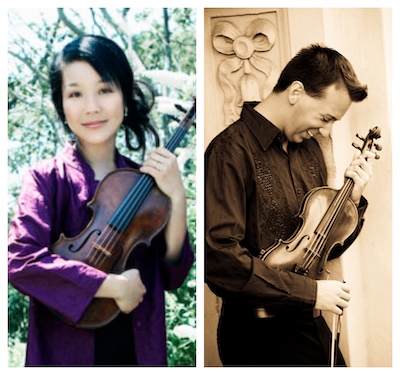 Earth and Air: String Orchestra is taking its final bow next week, but they won’t be going away quietly. The chamber ensemble has enlisted not one but two soloists for the occasion, more specifically two “Dueling Divas,” as violinists Andrew Sords and Mari Sato call their duo.
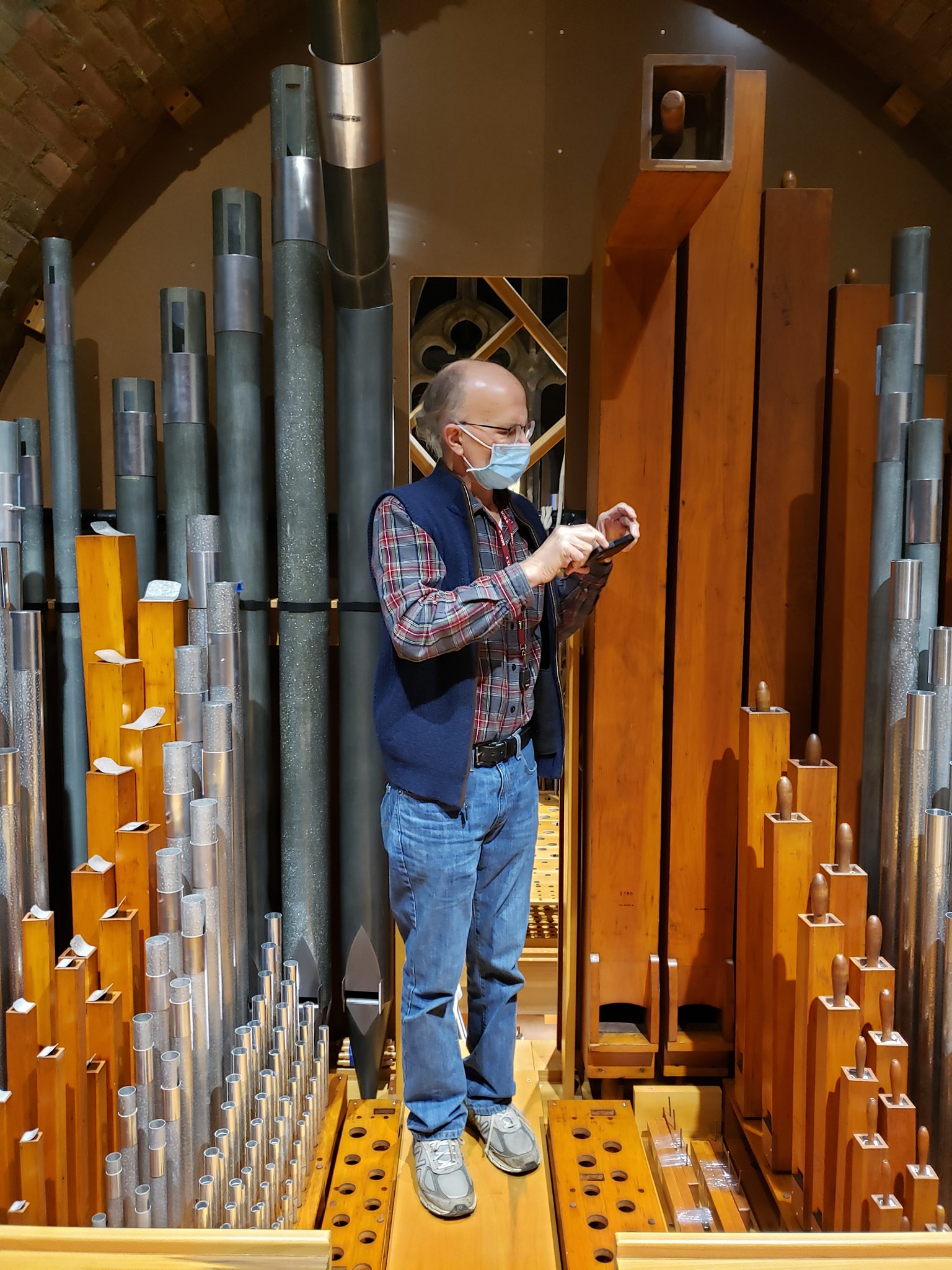 When three trucks from Croton, Ohio’s Muller Organ Company pulled up to Trinity Cathedral in downtown Cleveland on January 11, the Cathedral’s history of distinguished pipe organs opened a new chapter.
 That 1907 organ, Skinner’s Opus 140, served the Cathedral and its organist-choirmaster, Edwin Arthur Kraft (right), until the 1970s, when its outdated mechanism had deteriorated beyond the point of renovation.
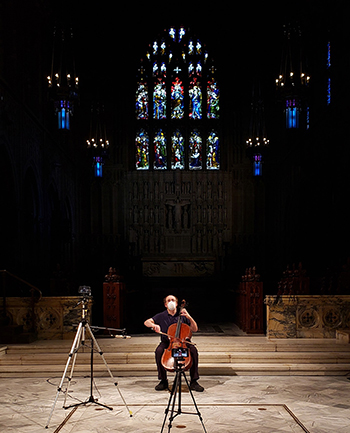 Would it matter if the best-ever performance of Bach’s Suites for solo cello took place in a cinder block closet with no one listening? The question, which one could safely and simply answer “no,” may seem like a dull retread of the classic “if a tree falls…” formula. However, it raises a question of its own: how much can the venue and framing of a performance do to elevate a musical experience?