


by Daniel Hathaway
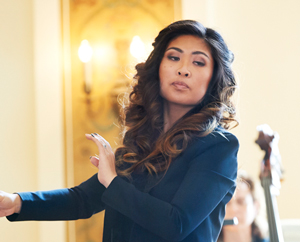 Having guest conducted the Masterworks Chorale of the Summit Choral Society in Haydn’s “Lord Nelson” Mass last spring, Marie Bucoy-Calavan will begin her official tenure as artistic director of the ensemble on Sunday, November 1 at 3:00 pm at Holy Trinity Lutheran Church in Akron. The program will include Mozart’s Requiem and Brahms’s Schicksalslied. (Tickets here.)
Asked in a telephone conversation about her plans for her first season, Bucoy-Calavan told us, “Now that I’m the artistic director I want to concurrently honor the tradition that the Summit Choral Society has fostered — providing fantastic music to the community at large — and build a sense of growth and continuity for the organization. Our big theme for the year is ‘conserving, preserving and legacy.’ We want to build on our 25 year history as well as preserving choral and orchestral masterworks for the next generations, ensuring that the arts will live and thrive in the millenial generation as well as in the generation that has already been supporting choral music.” [Read more…]
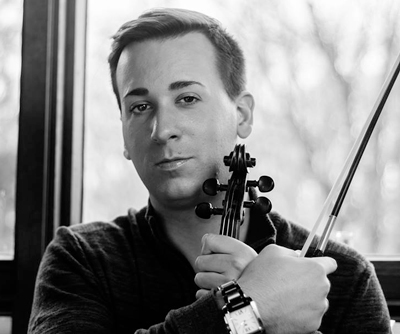 When we telephoned violinist Andrew Sords to chat about his recital on the Chagrin Concert Series next Sunday, he had just returned to Cleveland for thirty-six hours. “When I was nineteen,” he said, “I thought it would be great if I could play ten or so concerts a year.” A decade later, Sords sometimes finds himself playing that many performances in a month.
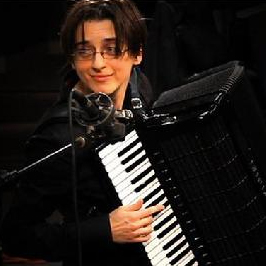 The Cleveland Museum of Art’s Performing Arts Series continues on Wednesday, October 28 at 7:30 with Merima Ključo’s “The Sarajevo Haggadah: Music of the Book,” a multimedia work for accordion, piano and video tracing the story of a precious Jewish prayer book’s journey from medieval Spain to 20th-century Bosnia — where it was hidden and rescued during World War II — to its restoration by the National Museum in Sarajevo after the 1992-1995 war.
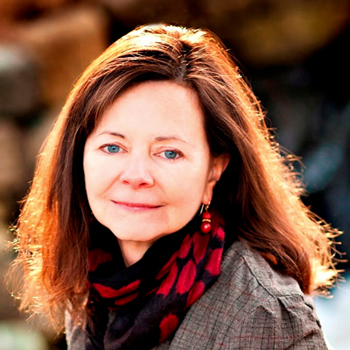 “Nobody who comes to the performance will regret it. I promise,” Pulitzer Prize-winning author Geraldine Brooks exclaimed during a telephone conversation. On Wednesday, October 28 at 7:30, the Cleveland Museum of Art’s Performing Arts Series will continue with Merima Ključo’s “The Sarajevo Haggadah: Music of the Book,” a multimedia work for accordion, piano, and video. The piece traces the story of a precious Jewish prayer book’s journey from medieval Spain to 20th-century Bosnia — where it was hidden and rescued during World War II — to its restoration by the National Museum in Sarajevo after the 1992-1995 war.
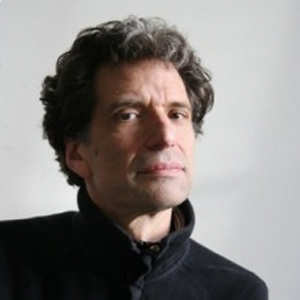 “When we leave conservatory, our available time to do things that are out of the routine of everyday life dwindles considerably,” pianist and Yellow Barn artistic director Seth Knopp pointed out during a telephone conversation. “Whether you’re a touring musician or piecing together a living, it’s hard to find time to dedicate yourself to one project. Our residencies are a chance for musicians to immerse themselves in their work.”
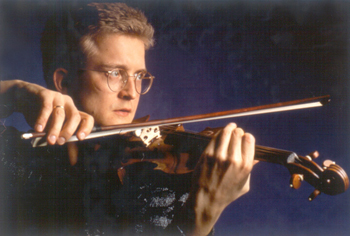 German violinist Christian Tetzlaff never shies away from a challenge. He made his debut with The Cleveland Orchestra at the age of 22, playing the daunting concerto by Arnold Schoenberg. Tetzlaff’s most recent area performance in May of this year, also with The Cleveland Orchestra, featured the violinist in Jörg Widmann’s concerto, a physically taxing work written for him in 2007.
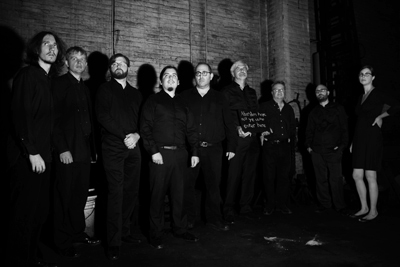 “In the words of John Cage, Satie is indispensable,” No Exit artist director Tim Beyer said during a telephone conversation. “As iconic as Satie is, you don’t often see a concert presented in his honor.” On Friday, October 30 at Heights Arts, No Exit will launch their seventh season with what will be a year-long tribute to the music of Erik Satie.
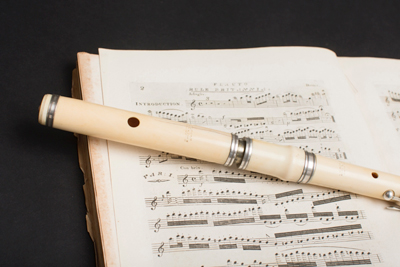 Oberlin’s historical flute professor Michael Lynn has devised a whole day of events celebrating the little-known world of 19th century French flute music. On Saturday, October 31, Lynn will team up with flute professor Alexa Still, fortepianist David Breitman, the Conservatory’s music history department, the Conservatory Library, and the Frederick R. Selch Center for Music History, to shine light on a neglected subject through lectures, a concert and an exhibition.
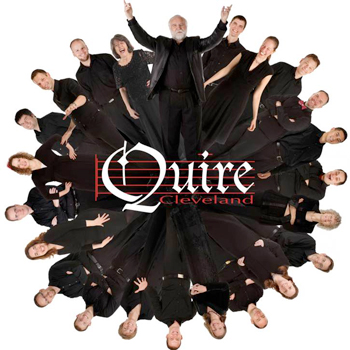 The singers of Quire Cleveland will spend next weekend’s concerts vocally chasing each other through eight hundred years’ worth of rounds and canons — those clever contrapuntal constructions that produce their own textures and harmonies by combining a tune with itself at different intervals of time, and sometimes at different pitches.
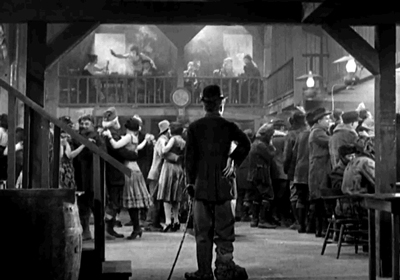 Todd Wilson returned to Stambaugh Auditorium’s Skinner organ on Sunday afternoon, October 25, to improvise a score to Charlie Chaplin’s 1925 silent film, The Gold Rush. Wilson, who is organist at Cleveland’s Trinity Cathedral and chair of the organ department at the Cleveland Institute of Music, played a similar role last season in providing musical accompaniment to the Harold Lloyd comedy Speedy. Though The Gold Rush is also a comedy, it focuses on Chaplin’s beloved little tramp character in an unusual context.