



by Mike Telin
 NEWS BRIEFS:
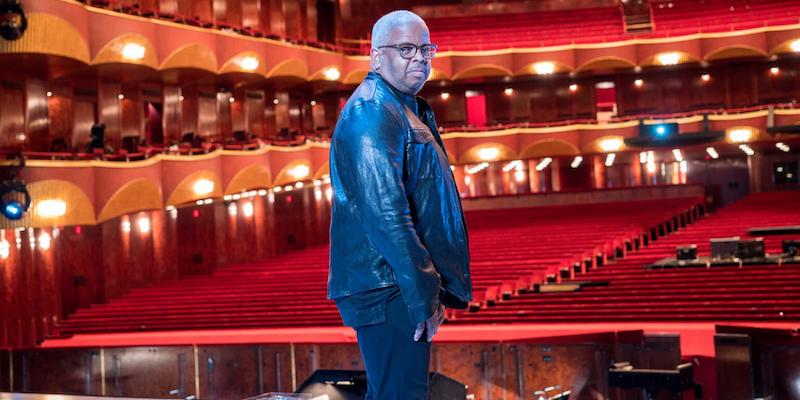
The biggest news in American music occurred this past Monday with the Metropolitan Opera’s production of Terrance Blanchard’s Fire Shot Up in My Bones (above, New York Times photo of Blanchard on the Met stage by Wayne Lawrence as published on The Hub (League of American Orchestras).
Yes it was the first performance on the Met stage in 18-months, but more importantly it was the first time the company has staged an opera by a Black composer (Blanchard), a Black librettist (Kasi Lemmons), a Black co-director for a main-stage production (Camille A. Brown), as well as an almost entirely Black cast, chorus and dance troupe. The Opera is based on a 2014 memoir by New York Times columnist Charles M. Blow, recounting his turbulent upbringing in rural Louisiana.
Writing for NPR, Nate Chinen says that “Blanchard’s music for Fire is glowingly consonant but full of subtle harmonic and timbral surprises (along with strategic flickers of dissonance). He goes on to say: “Strikingly, given Blanchard’s profile as a jazz artist, Fire eludes description as a ‘jazz opera.’ Its language is avowedly classical, with elements drawn from the canonical composers, like Puccini, that defined Blanchard’s early exposure to the art form.” [Read more…]
 On Sunday, October 3 at Youngstown’s DeYor Performing Arts Center, the Dana School of Music’s Dana Ensemble will return for its second season to perform two brilliant 20th-century pieces that straddle the worlds of chamber and theater music. The 3:00 program will feature Igor Stravinsky’s The Soldier’s Tale (L’Histoire du Soldat) and William Walton’s Façade: An Entertainment.
 Trinity Cathedral will resume its Wednesday programming on October 6, including the Noontime Brownbag Concerts and 6:00 pm Choral Evensong services, with some modifications that reflect the current state of the pandemic.
 Tri-C JazzFest was back in the swing of things this summer. After a 2020 season of virtual performances, the festival returned to an all-star, in-person lineup this year, thanks to some patient planning. The date was pushed from June to September, and the venue shifted from Playhouse Square to an all-outdoor space, Cain Park.
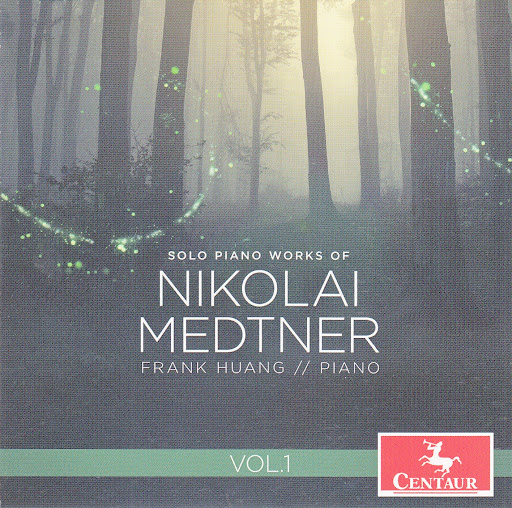 Although Rachmaninoff is said to have called him the greatest composer of his lifetime, the music of Nikolai Medtner (1880-1951) has never achieved the notoriety of his friend and constant supporter.
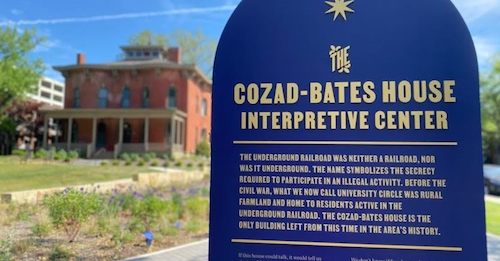 Last summer, according to Cleveland Orchestra violinist Isabel Trautwein, musicians from the Orchestra played 90-100 outdoor events. “These were driveway concerts and porch concerts with friends and students,” Trautwein said by telephone from her farm in Geneva (where she recently put on a program called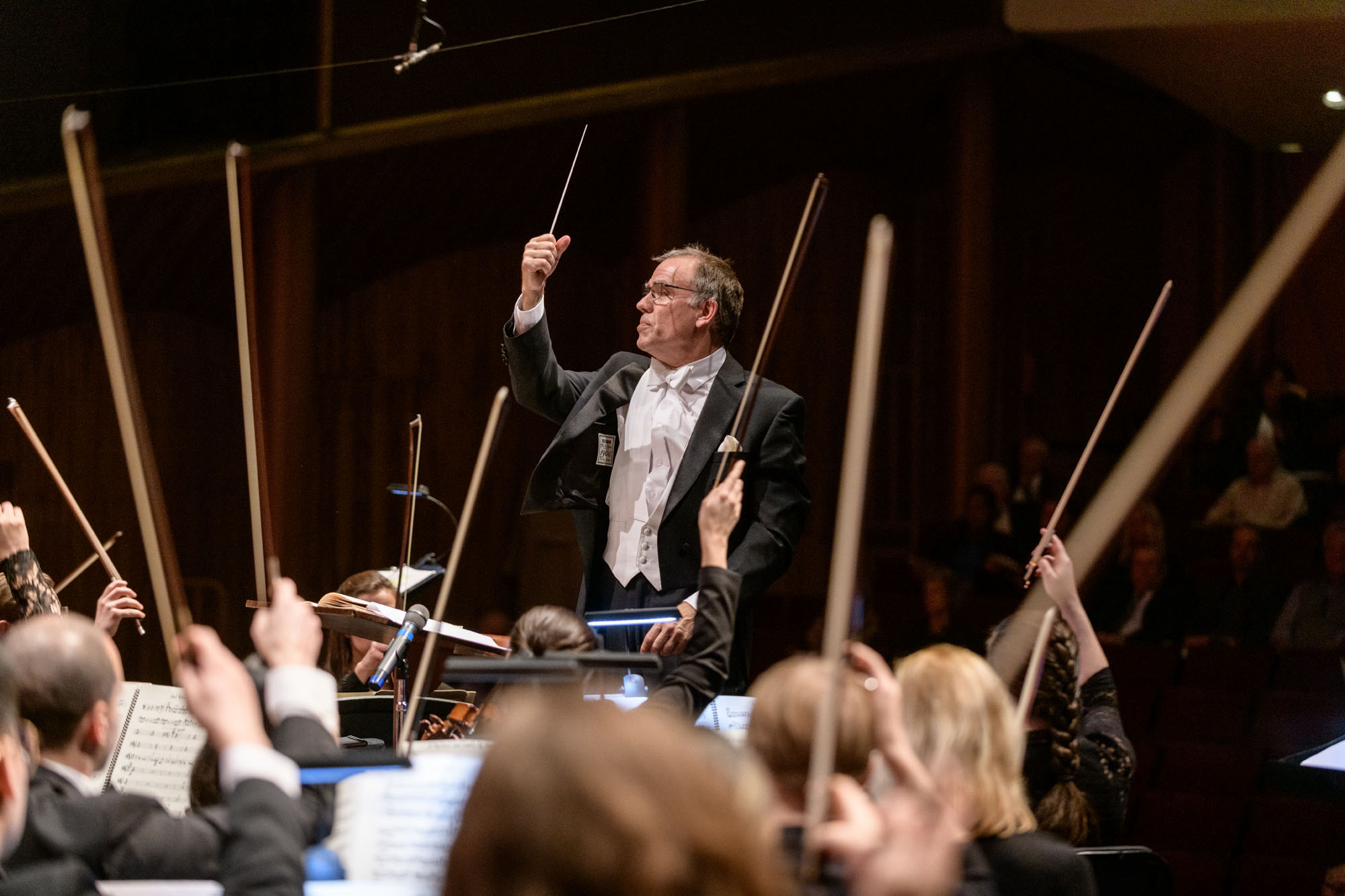
 This season, even more than usual, Imani Winds is booked and busy. Rescheduled concerts from last year, combined with new additions to their schedule, promise a season full of travel and performances. “It’s a lot of making up for lost time,” bassoonist Monica Ellis said in a recent interview. “We’re just grateful that we’re able to be back and have live performances again, in one way or another.”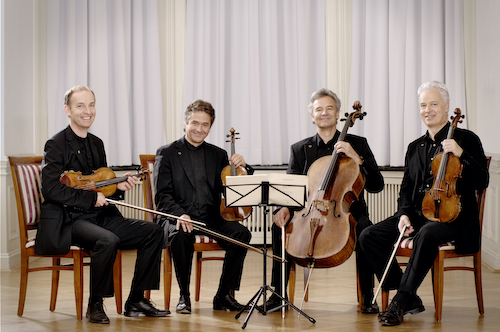
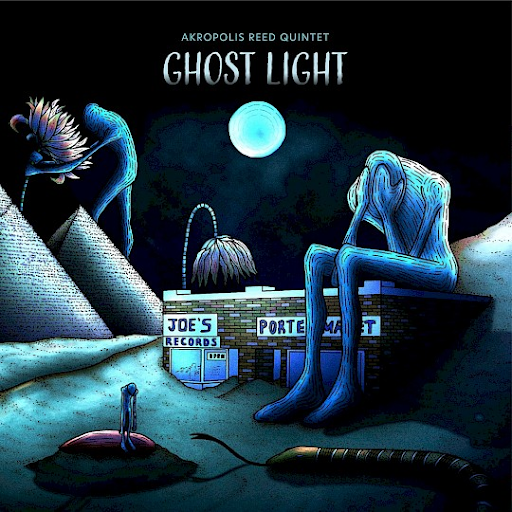 In darkened theaters around the world last year, just one small sign of life remained — the ghost light, a single bulb traditionally placed onstage overnight while the space is unoccupied. During the height of the COVID-19 pandemic, these ghost lights became small symbols of hope, keeping the lights on until the performers and the audience could return again.