



by Kevin McLaughlin
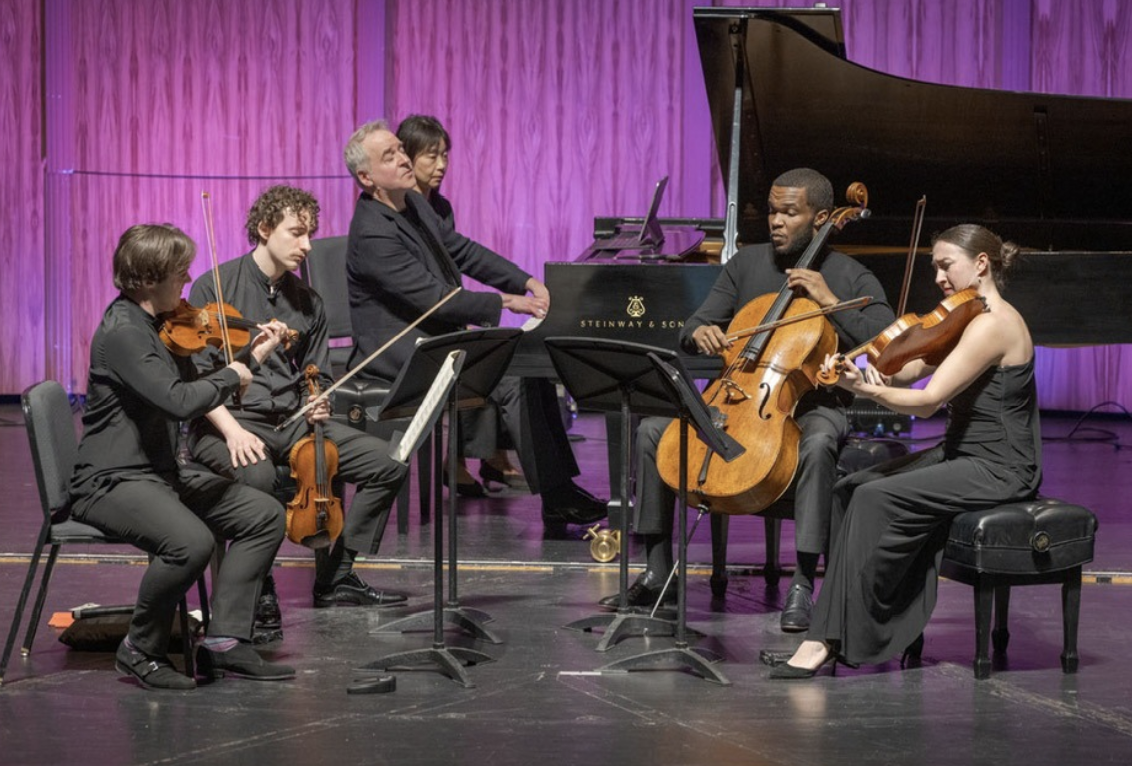 This will be one of the stories the Isidore Quartet will tell in their dotage. At about 10 pm, the night before their Tuesday Musical performance in Akron’s E.J. Thomas Hall on March 4, the quartet’s violist Devin Moore came down with a case of strep throat.
As might only happen in a region brimming with musical talent, Eva Kennedy — violist of the Callisto Quartet and a former classmate of Isidore violinist Phoenix Avalon — happened to be in Columbus and was available. The next morning, Kennedy drove up to Akron to rehearse with Isidore and pianist Jeremy Denk. As they say, the show must go on.
Despite the disappointment of half of the program needing to be changed, the substituted works — four Bach fugues (from The Art of Fugue) and Mozart’s great String Quartet No. 19 in C, “Dissonance,” K.465 — made for a surprisingly agreeable switcharoo. The scheduled Brahms Piano Quintet in f remained in place. (If and when the Isidore returns to Northeast Ohio, I hope they’ll re-program Gabriella Smith’s amazing Carrot Revolution.)
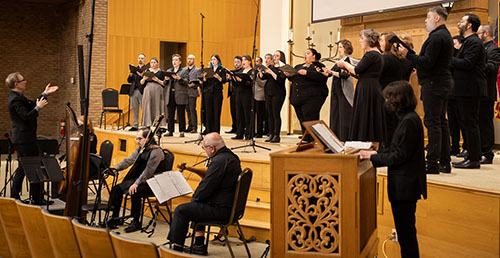

 The long, rich history of string quartet music leaves today’s ensembles with plenty of classic works to explore. The Poiesis Quartet knows such standard repertoire well — their performances of Béla Bartók’s String Quartet No. 5 helped earn them their win at the Fischoff National Chamber Music Competition, which skyrocketed the group’s career in 2023.
 This article was originally published on
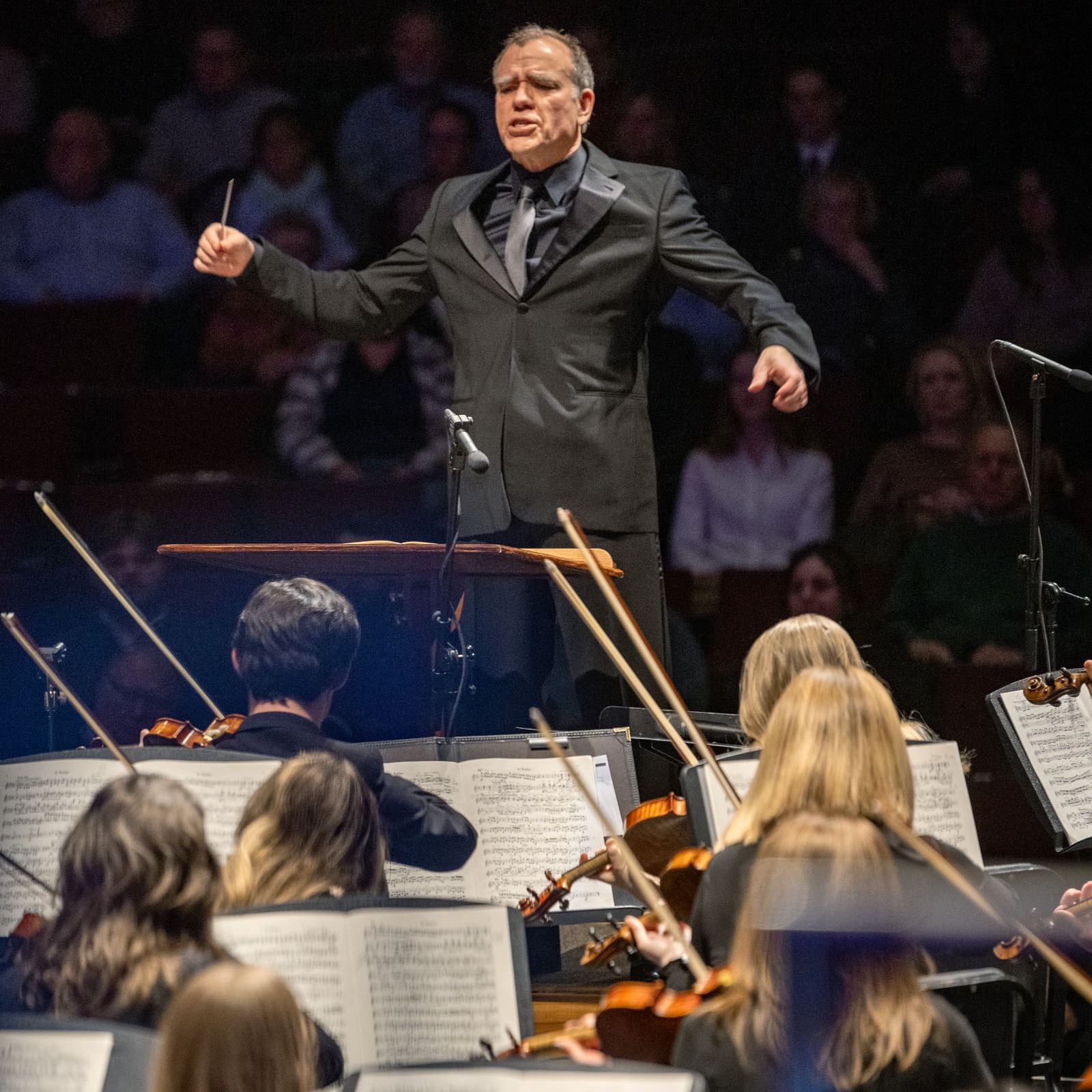 “Welcome to Mahler’s 2nd,” read the program leaflet I was handed while entering E.J. Thomas Hall on March 1. “You’re in for an emotional rollercoaster — big drama, quiet reflection, and an ending that will shake the walls (and maybe your soul).”
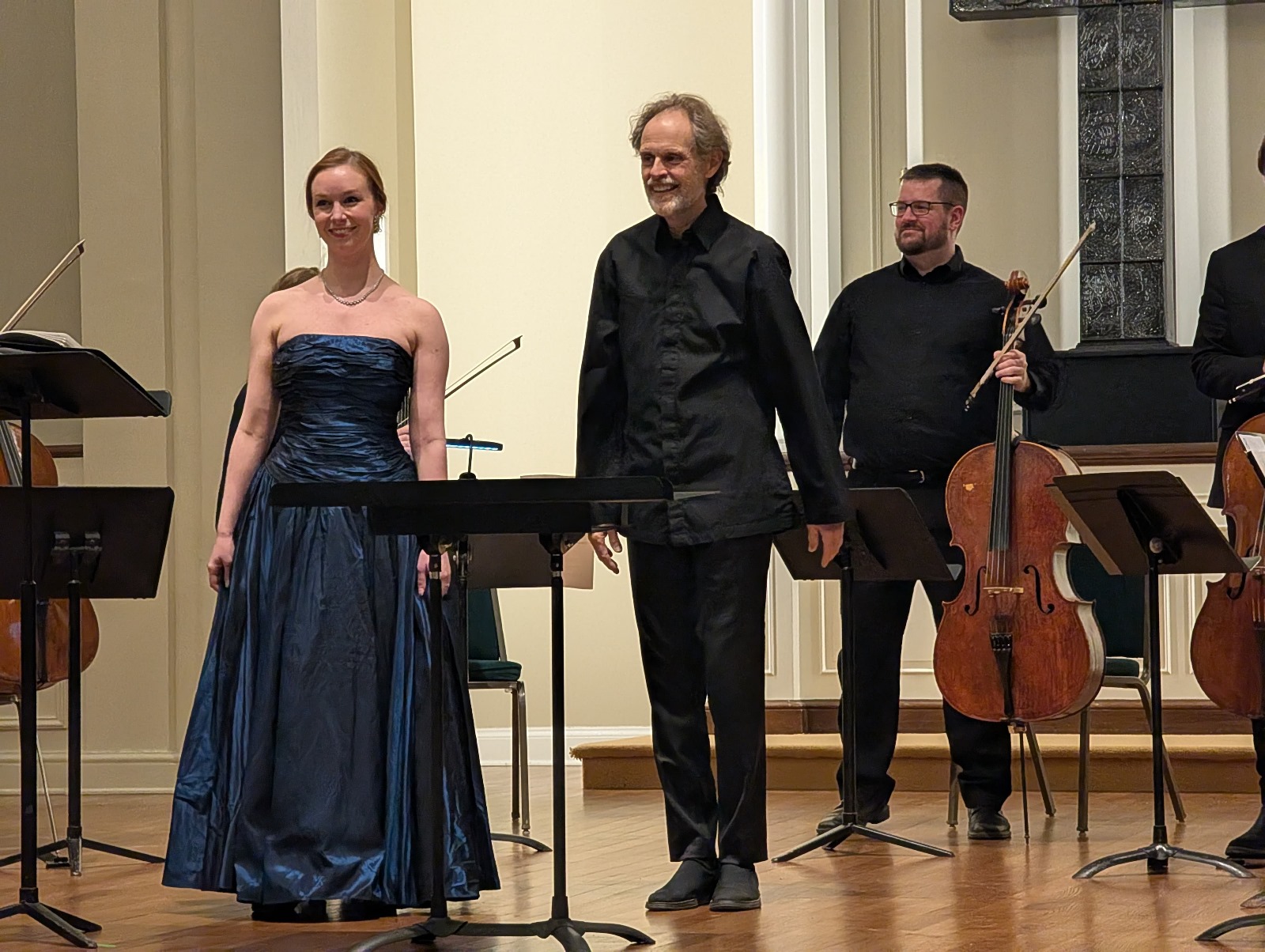 An entire album of pieces for eight cellos and one soprano might seem like a daunting prospect. But Voices from the Other Side clocks in at more than an hour’s worth of music — so there’s more out there for this instrument combination than you might think.