

by Stephanie Manning
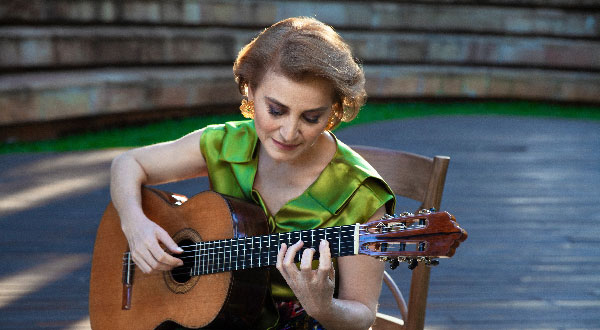 Guitarist Berta Rojas’ in-person appearance at the Cleveland Classical Guitar Society, a two-year journey which finally came to fruition on April 2, has not been without some major setbacks. First before her travels, when the pandemic forced Rojas to cancel her trip in March 2020, and second — and most heartbreaking — after her arrival, when her beloved guitar was stolen on April 1st.
But despite her grief, the Paraguayan guitarist determinedly continued with her recital as scheduled. Playing on an instrument she borrowed from Colin Davin, Rojas captivated audience members at Plymouth Church in Shaker Heights with a program that honored two women pioneers of classical guitar: Ida Presti and María Luisa Anido.
 For Mark Padmore and Mitsuko Uchida, the idea to perform a recital together came about naturally — starting with making music together simply for the pleasure of it. That natural transition from practice to performance was evident on March 6, when The Cleveland Orchestra presented the tenor and pianist in an afternoon of earnest music making.
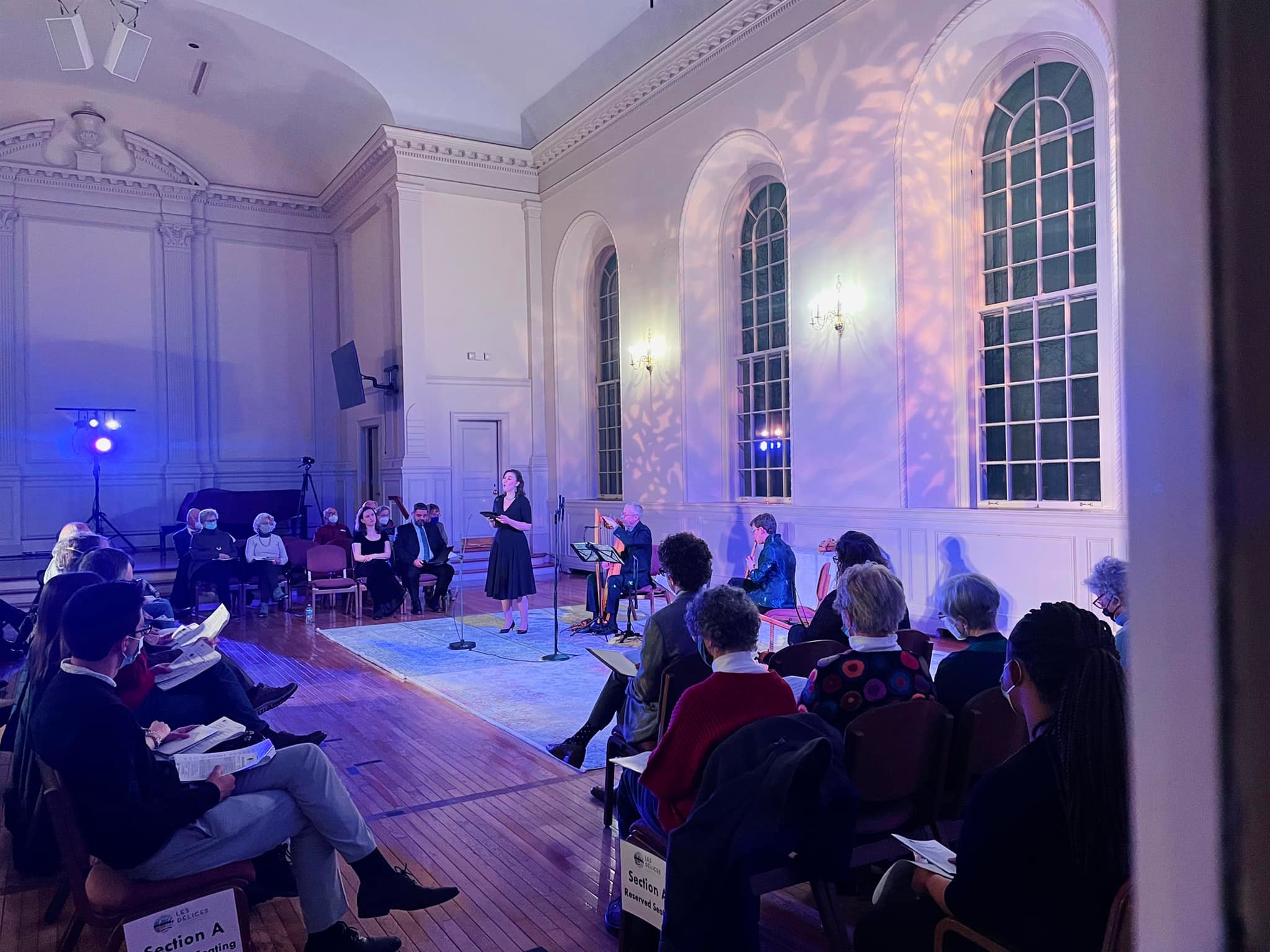 Time and time again, Les Délices has imbued a sense of creativity into the concert experience — particularly over the past two years, when pandemic restrictions called for some out-of-the-box thinking. On February 25 in Shaker Heights, their first in-person event since 2020 proved to be no exception, blending poetry and music for an engaging evening of storytelling.
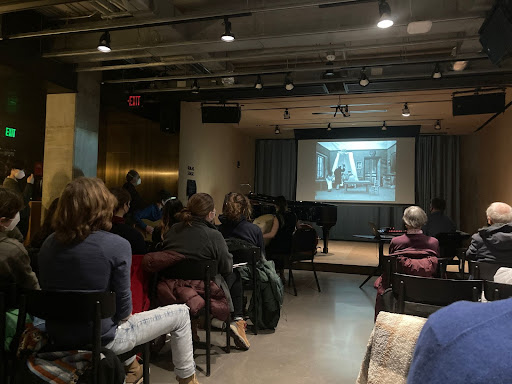 What do you get when you combine the sounds of an organ, accordion, guitar, violin, and piano? A creative soundtrack to Les Vampires, of course.
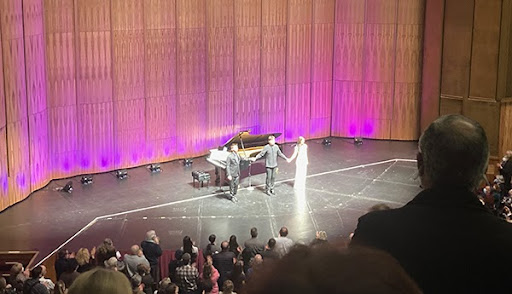 Just in time for Valentine’s Day, Tuesday Musical delivered a sweet, romantic evening on Tuesday, February 8. Violinist Joshua Bell and soprano Larisa Martinez, who were wed shortly before the pandemic, made one of the first stops in their inaugural concert tour as a married couple at Akron’s E.J. Thomas Hall. Joined by pianist Peter Dugan, the pair presented “Voice and the Violin,” a variety of short selections that highlighted both their personal and musical partnership.
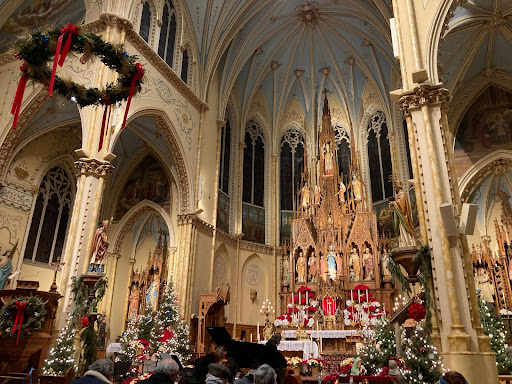 The Christmas season appeared to still be in full swing at the Shrine Church of St. Stanislaus on January 21. Merry wreaths, festive trees, and twinkling lights filled the cavernous space three weeks into the new year. The evening was a chilly one, and most audience members chose to keep their coats on as they settled into their seats for CityMusic Cleveland’s captivating chamber program, “Tales and Scenes
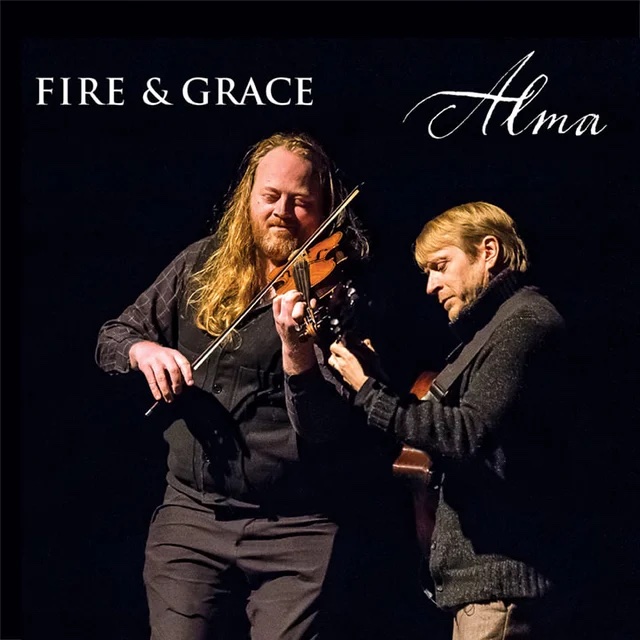 To create their latest album, violinist Edwin Huizinga and guitarist William Coulter drew inspiration from the natural world. The duo, known as Fire & Grace, recorded their third project together among the redwoods of Northern California.
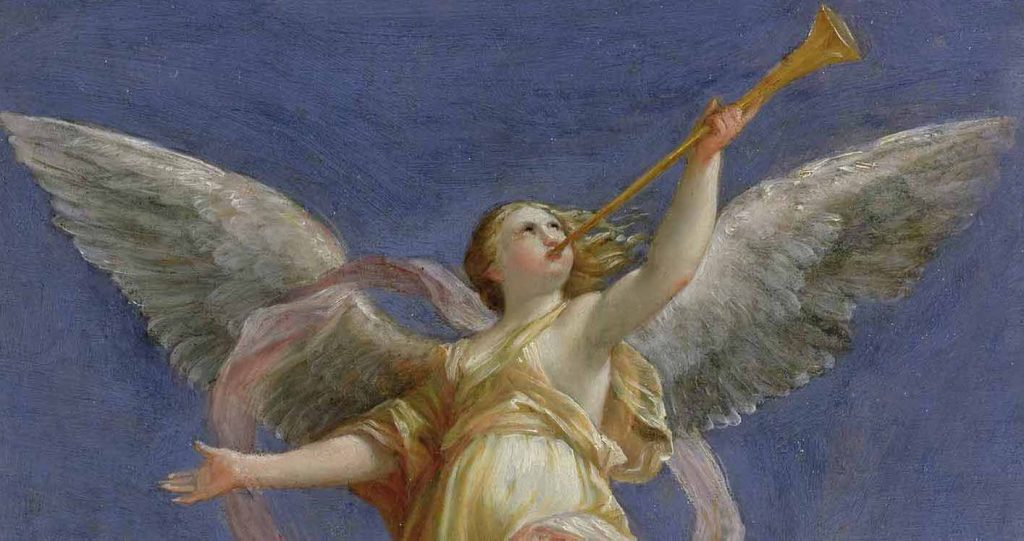 There’s something so engaging about watching Handel’s Messiah performed live — especially in the capable hands of Apollo’s Fire and Apollo’s Singers. The movement of the instrumentalists, the stage presence of the singers, and the enthusiastic response from the audience all elevate the experience of listening to this familiar music. On the evening of December 8 at Federated Church in Chagrin Falls, guest conductor Nic McGegan led the ensemble in a breathtaking performance of one of Handel’s cornerstone works.
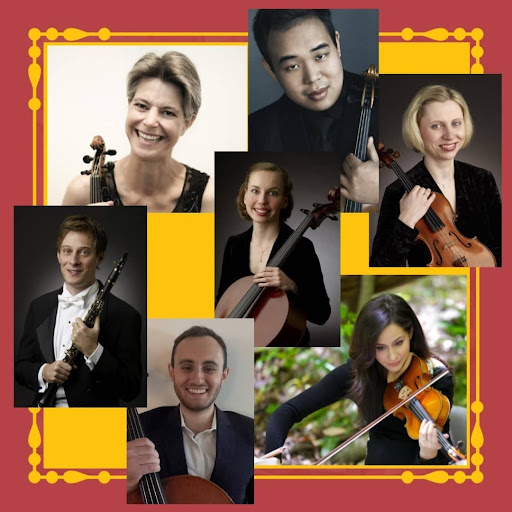 At first glance, the inclusion of Dvořák’s
  If you want to identify the Naughton sisters, look at their shoes. As the identical twin pianists took the stage for their recent performance at Tuesday Musical, each wore one red and one black heel, placed on opposite feet. It was a fitting choice — Christina and Michelle Naughton are distinct individuals, yet when playing together, they become one half of the same whole.