

by Stephanie Manning
 INTERESTING READS:
In light of recent attacks against the Asian American community, prominent Asian classical musicians are speaking out in two recent articles in the New York Times.
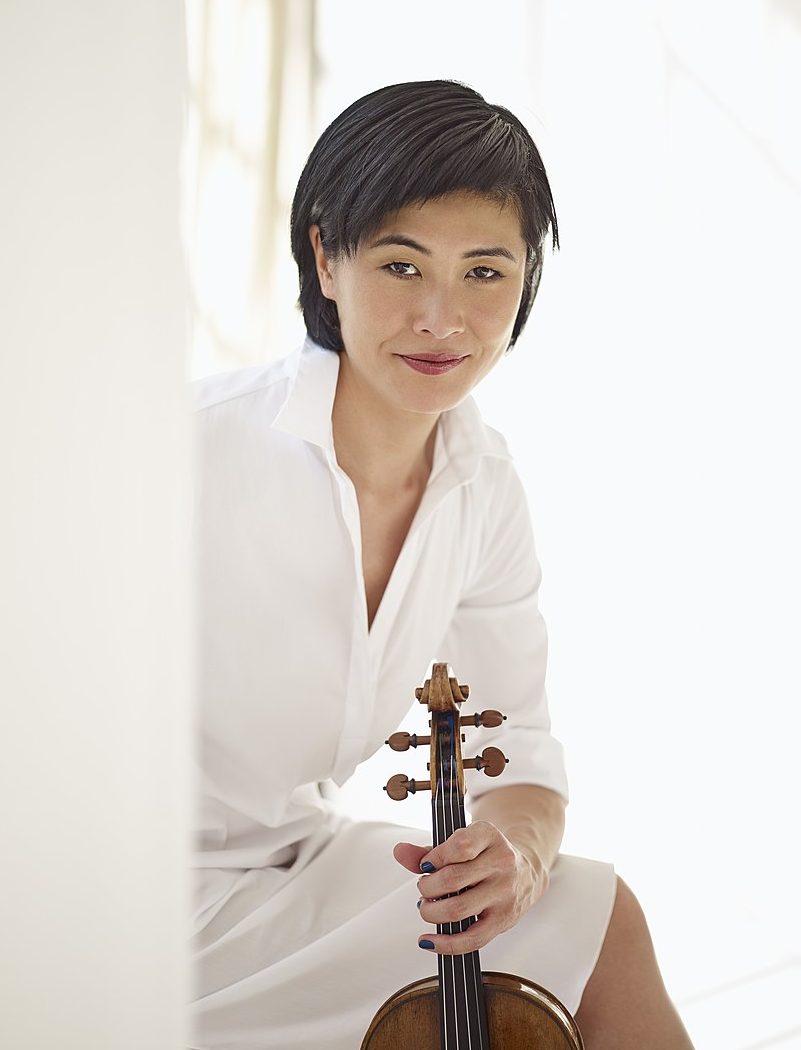
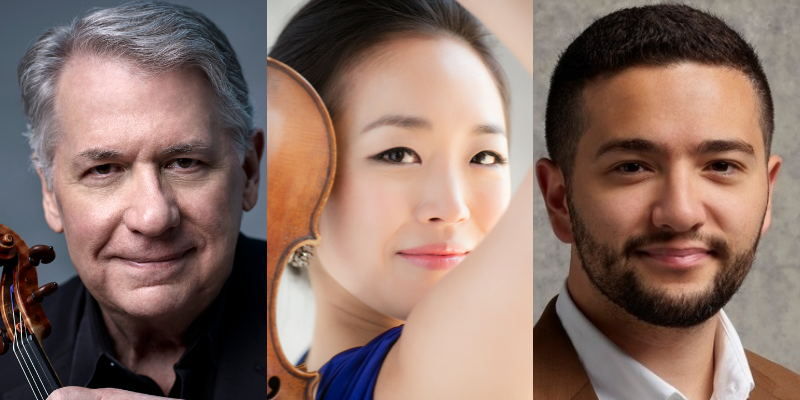
In “A Violinist on How to Empower Asian Musicians,” Jennifer Koh (pictured) calls on the classical music industry to do better when it comes to artists of Asian descent. The renowned soloist, who graduated from Oberlin, details her experience as an Asian American woman in classical music, writing: “It is highly misleading to say that Asian Americans are overrepresented in what remains an overwhelmingly white and male field.” Read the full article here.
And in “Asian Composers Reflect on Careers in Western Classical Music,” Tan Dun, Du Yun, Bright Sheng, Unsuk Chin, and Huang Ruo discuss both their shared experiences and individual stories from their time in the Western classical world. Two of the five artists, Du Yun and Huang Ruo, are also graduates of Oberlin Conservatory. Read these powerful interviews here.
TODAY’S ALMANAC:
On this day in 1882, Richard Wagner‘s opera Parsifal premiered in Bayreuth, Germany. The German composer’s last completed opera, Parsifal (or Parzifal, as it was originally spelled) is based on an epic poem from the 13th century that tells the story of the knight Parzifal and his search for the Holy Grail.
This was the first work Wagner composed specifically for the acoustic of the Bayreuth Festspielhaus, which had opened seven years earlier. This year, in partnership with Deutsche Grammophon, the Bayreuth Festival will stream its 2016 performance of Parsifal online for free on August 10. Learn more here.
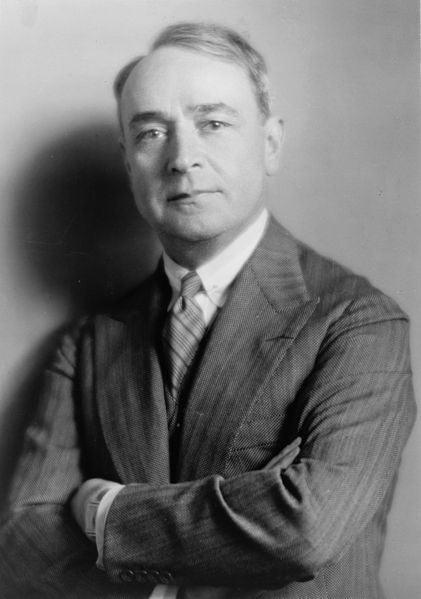 One of the many orchestral conductors to record the music from Parsifal was Serge Koussevitzky (pictured), who was born on this date in 1874. Listen to his Boston Symphony Orchestra recording of the “Prelude” from Act I and “Good Friday Spell” from Act III here.
These recordings were made during the Russian-American conductor’s final years with the Orchestra, which he led from 1924 to 1949. His tenure was an exciting time of change, as the conductor commissioned works from major composers such as Stravinsky (Symphony of Psalms), Hindemith, Barber, and Copland.
Before his conducting career, however, Koussevitzky was a double-bassist who performed as principal bass at the Bolshoi Theatre Orchestra. He also gave solo recitals around Europe, and his repertoire included his own double bass concerto, composed in 1902. Listen to a performance by Luis Cabrera Martin and the Netherlands Philharmonic here.
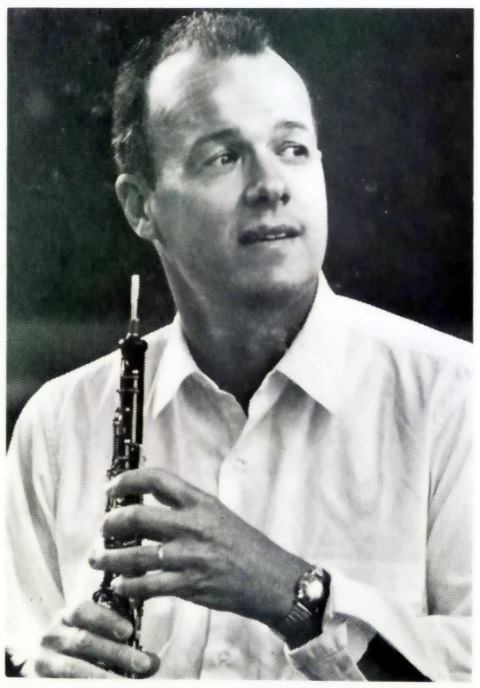 Born in Berkeley, CA on this date in 1921, oboist John de Lancie (pictured) is well-known for his 30-year tenure with the Philadelphia Orchestra. However, his path to get there was not without detours — while serving as principal of the Pittsburgh Symphony, he was drafted into the army during World War II.
While in Germany, de Lancie repeatedly visited Richard Strauss in the town of Garmisch-Partenkirchen, and suggested the composer write an oboe concerto. Strauss initially refused, but published one soon after, which is widely regarded as one of the best solo oboe works of the 20th century. The autograph of the score bears the inscription “Oboe Concerto – 1945 – suggested by an American soldier.” Read more about that story here.
After returning to America, de Lancie joined Philadelphia as second oboe and succeeded Marcel Tabuteau — his former teacher — as principal when Tabuteau retired. He remained in that position for 23 years, from 1954 to 1977, before passing off the seat to his student Richard Woodhams — extending the Tabuteau oboe lineage into the next generation.
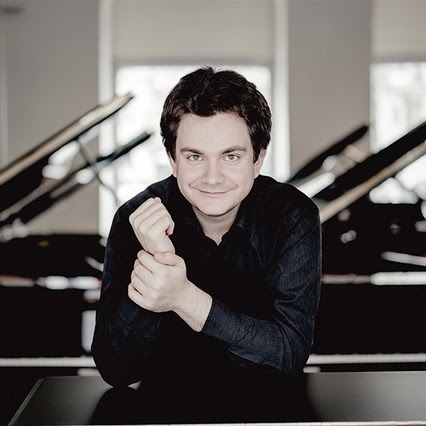 Roman Lopatynskyi (27, Ukraine) opened session four of the second round with three etudes by Chopin. The slow and gentle Etude in c-sharp, Op. 25, No.7, is full of shifts in character and mood. Some transitions were smoother than others, but his musical interpretation was thoughtful and made an emotional ending. He performed the following Etude in D-flat, Op. 25, No. 8 with a graceful lightness before segueing smoothly into Etude in G-flat, Op. 25, No. 9, which featured fluttering right-hand melodies appropriate for this etude’s nickname of “Butterfly.”
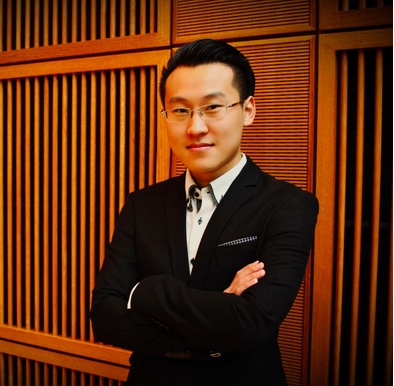 Lin Ye (28, China) introduced the second round with one of Beethoven’s most famous works: Sonata No. 21 in C Major, Op. 53, “Waldstein.” The pianist combined a beautiful light touch with sensitive phrasing to keep the piece in constant motion, preventing the repetitive chordal figures from sounding stagnant. Ye took his time in the slow and expressive opening of the second movement, fully focused on listening and responding to the music.
  The evening of July 14 surely felt like a momentous one for the Kent Blossom Music Festival. Just shy of two years since the Festival’s last live, in-person performance, Kulas Visiting Artists Paul Huang and Helen Huang took the stage at Ludwig Recital Hall to open Kent Blossom’s 53rd season. Performing for both an in-person and virtual audience (I heard the live stream), the violinist and pianist dazzled in sonatas by Mendelssohn, Corigliano, Ysaÿe, and Franck.
 TONIGHT IN-PERSON AND ONLINE:
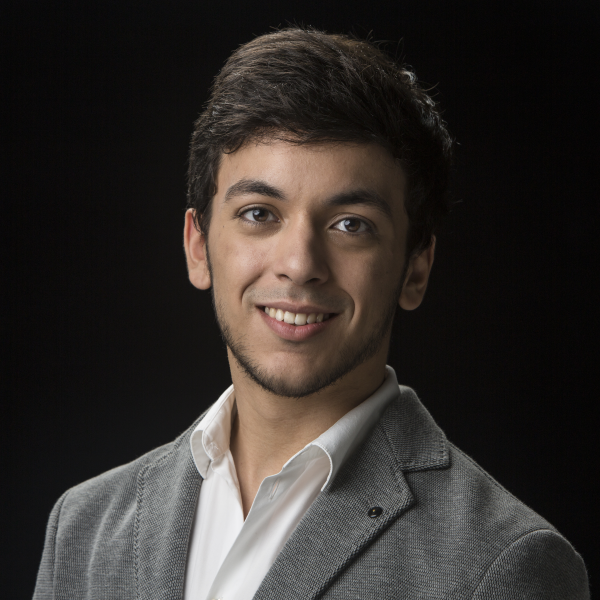 Lucas Thomazinho (25, Brazil) began the second session of the first round with Czerny’s Variations on a Theme by Rode, Op. 33 (“La Ricordanza”), where he impressed with beautiful dynamic contrasts. He played with a fluidity that served him well over the five variations, shifting gracefully between the gentler moments to quick and light passages.
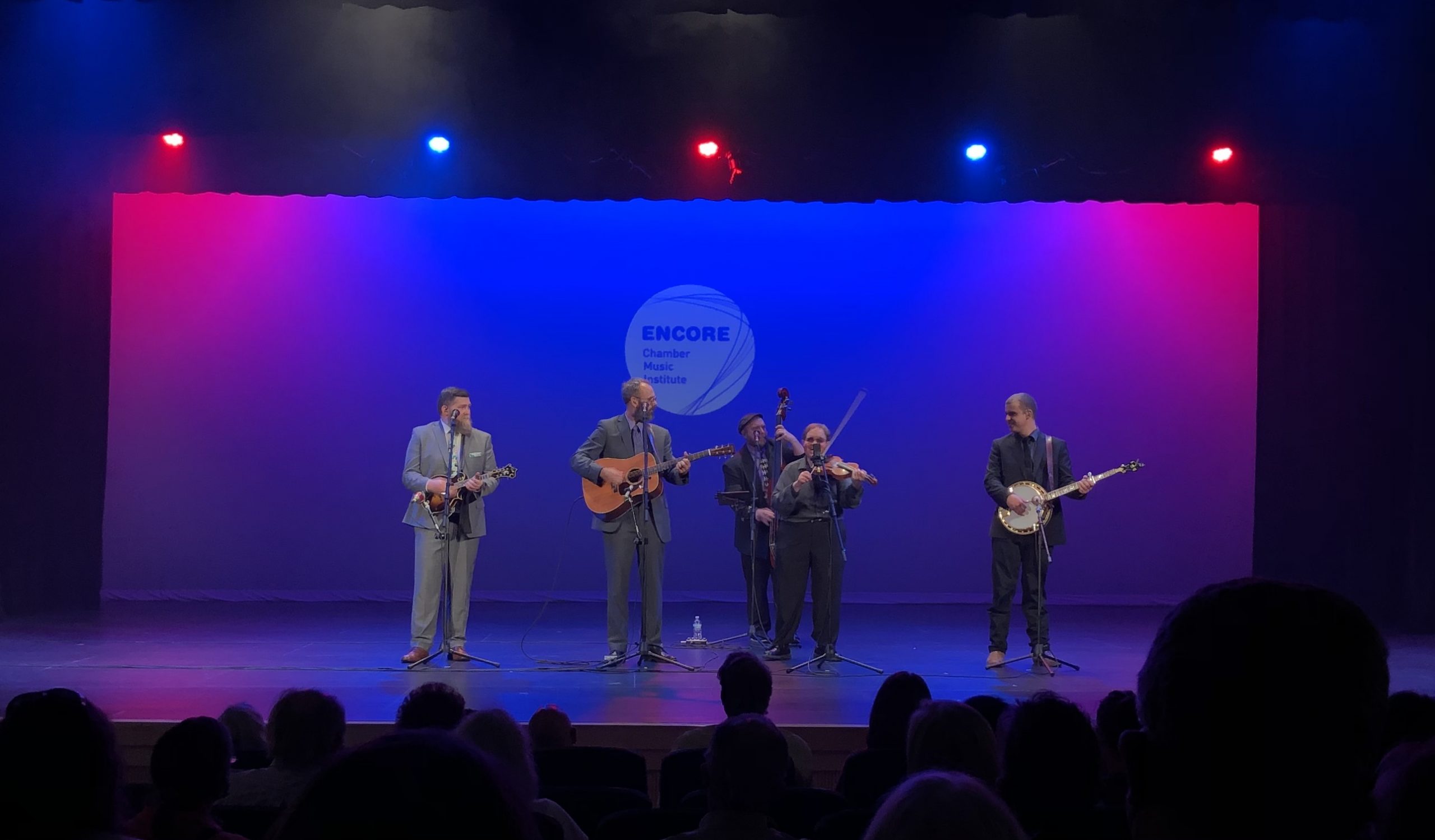 In a typical year, the ENCORE Chamber Music Festival is not somewhere audiences would expect to hear bluegrass playing. And yet, on July 4, Michael Cleveland and his band Flamekeeper took the stage at the Dodero Performing Arts Center in Gates Mills for a wildly fun concert that truly encapsulated the spirit of chamber music.
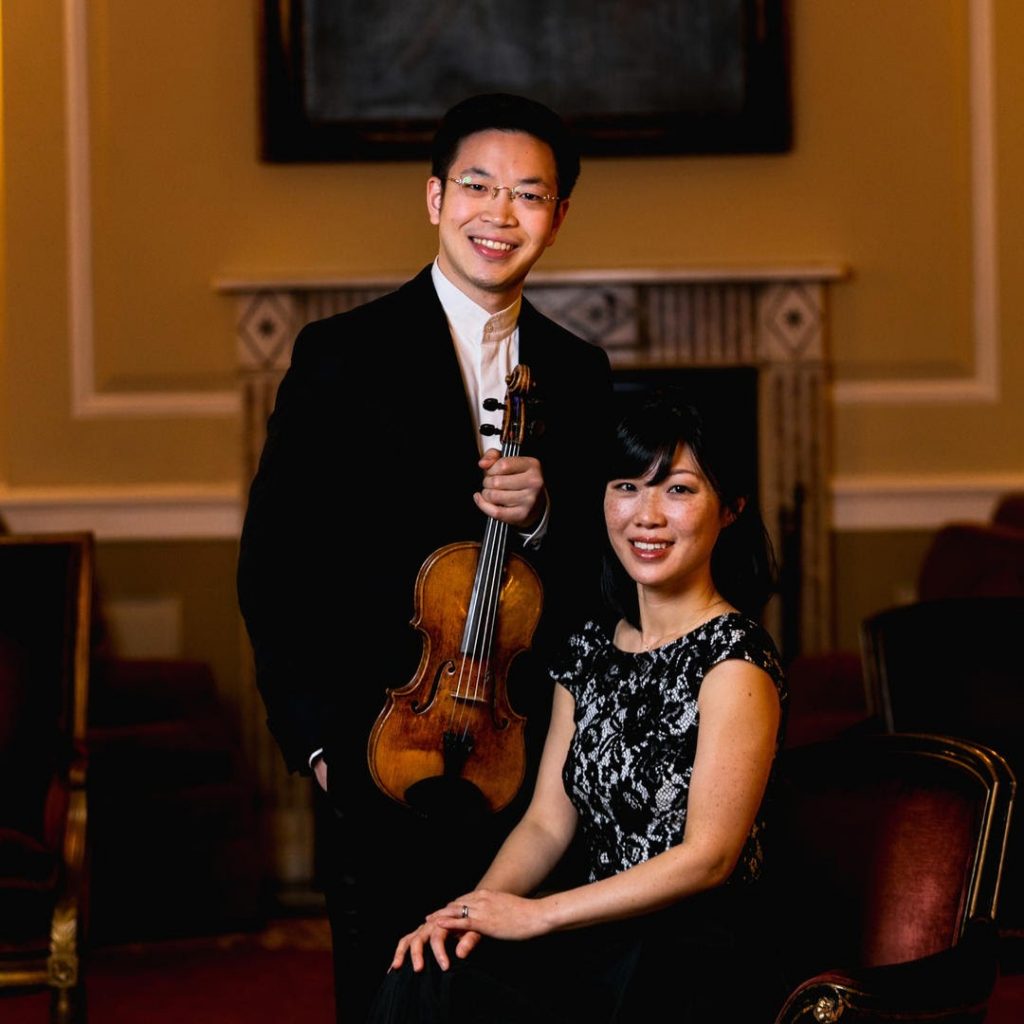 Almost a decade after violinist Paul Huang and pianist Helen Huang first performed together, their collaborative spirit is still going strong. The two acclaimed artists are eager to perform as a duo again this year, starting with their upcoming appearance as Kulas Visiting Artists on the Kent Blossom Music Festival’s Faculty Concert Series.
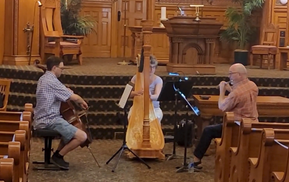 After a year with no shortage of pre-recorded performances, watching musicians play together live and unmasked — even through a computer screen — feels like a breath of fresh air.
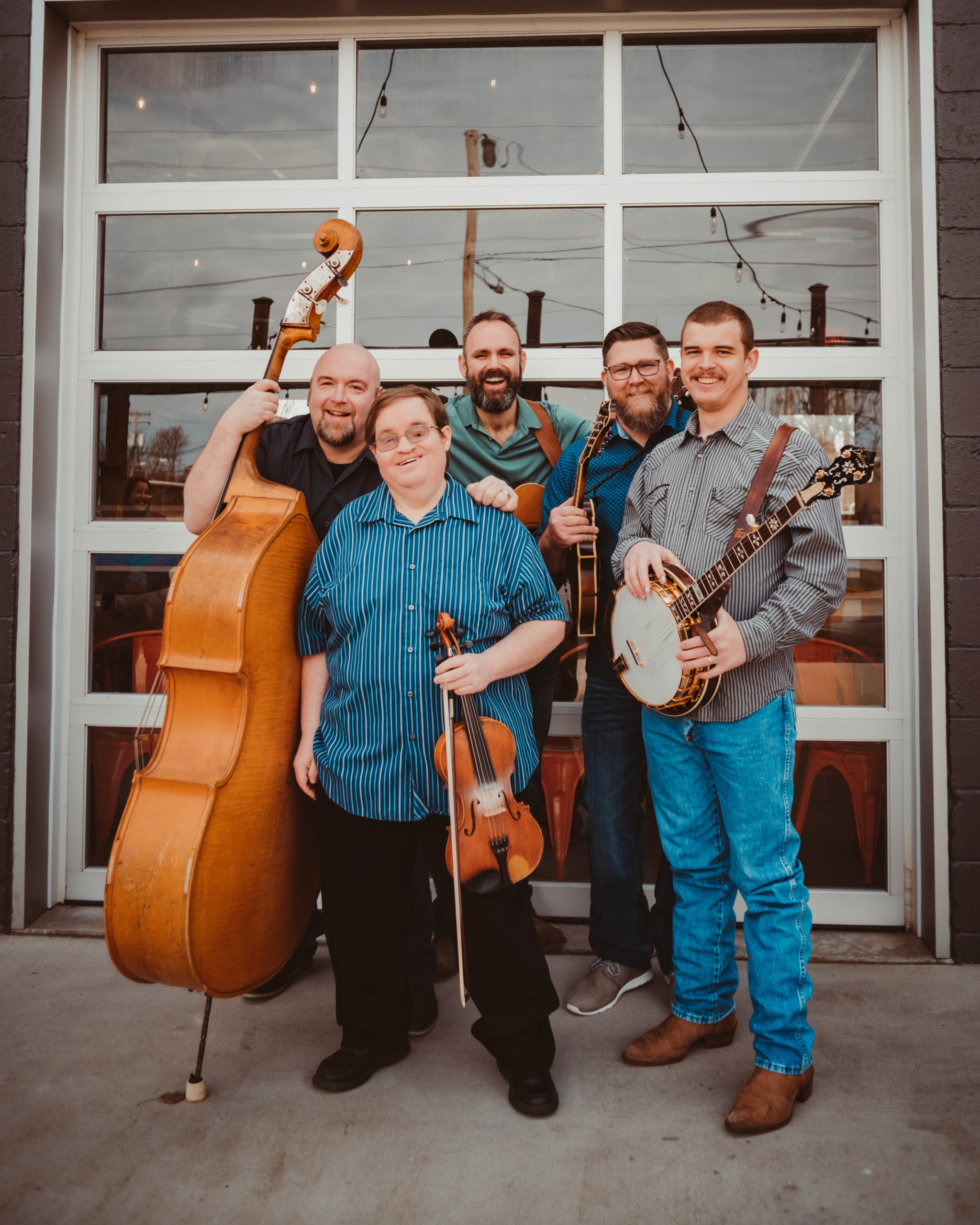 As has been the case throughout this season, on July 4, the ENCORE Music & Ideas Festival will once again try something new. In a celebration of American music, classical and bluegrass will share the stage at the Dodero Center for Performing Arts in Gates Mills. The 4:30 pm concert will begin with Copland’s Appalachian Spring performed by ENCORE artists, before shifting to Michael Cleveland and his band Flamekeeper, who will deliver what is certain to be a high energy performance.