




by Peter Feher
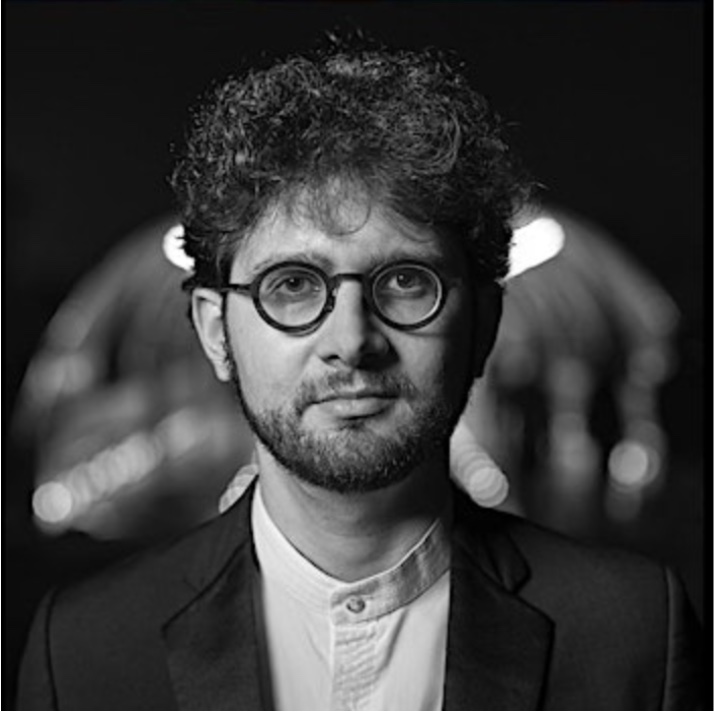 The resplendent sound of a symphonic brass section filled the Tri-C Metro Auditorium on Sunday afternoon, Jan. 26. Never mind that there was only a single piano onstage.
Listening to Modest Mussorgsky’s Pictures at an Exhibition in its original solo piano version from 1874, you can’t help but hear the orchestration that Maurice Ravel would supply for the work some 50 years later. Ravel wasn’t the first musician to arrange the suite, but the way he approached the various movements — from the stately opening Promenade to the crashing finale of “The Great Gate of Kiev” — has forever reshaped the piece.
It was fitting, then, that pianist Roman Rabinovich devoted some time to the French composer before performing Mussorgsky’s score on Sunday. On the first half of his recital for the Tri-C Classical Piano Series, Rabinovich played Ravel’s Sonatine, along with three other works that creatively connected with Pictures at an Exhibition. The result was a deeper artistic experience of Mussorgsky on the second half.
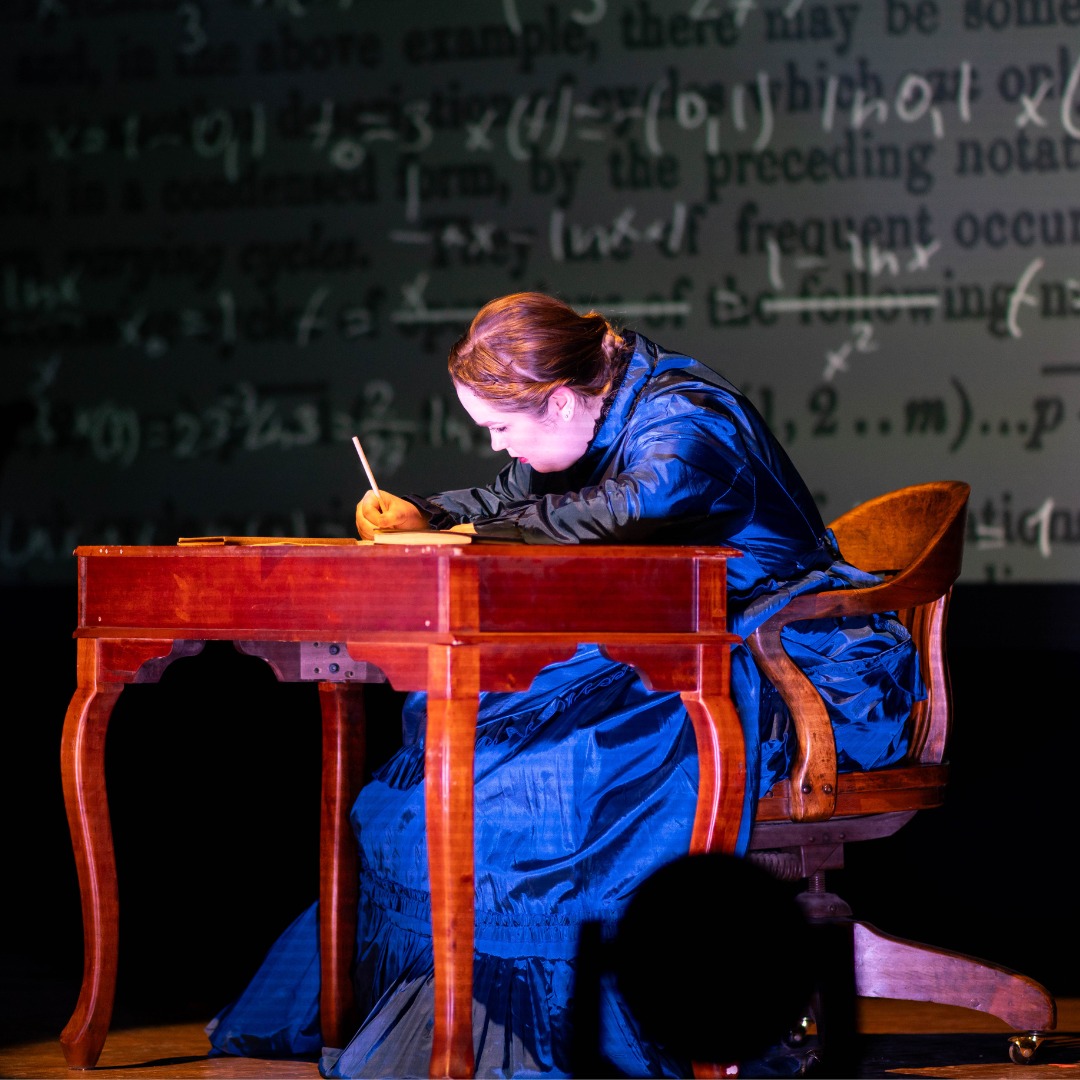 Ada Lovelace’s “infinite energy” was more mental than physical. Lovelace, a 19th-century English mathematician, was chronically ill for most of her life — yet her agile mind worked magic on numbers, paving the way for important scientific discoveries.
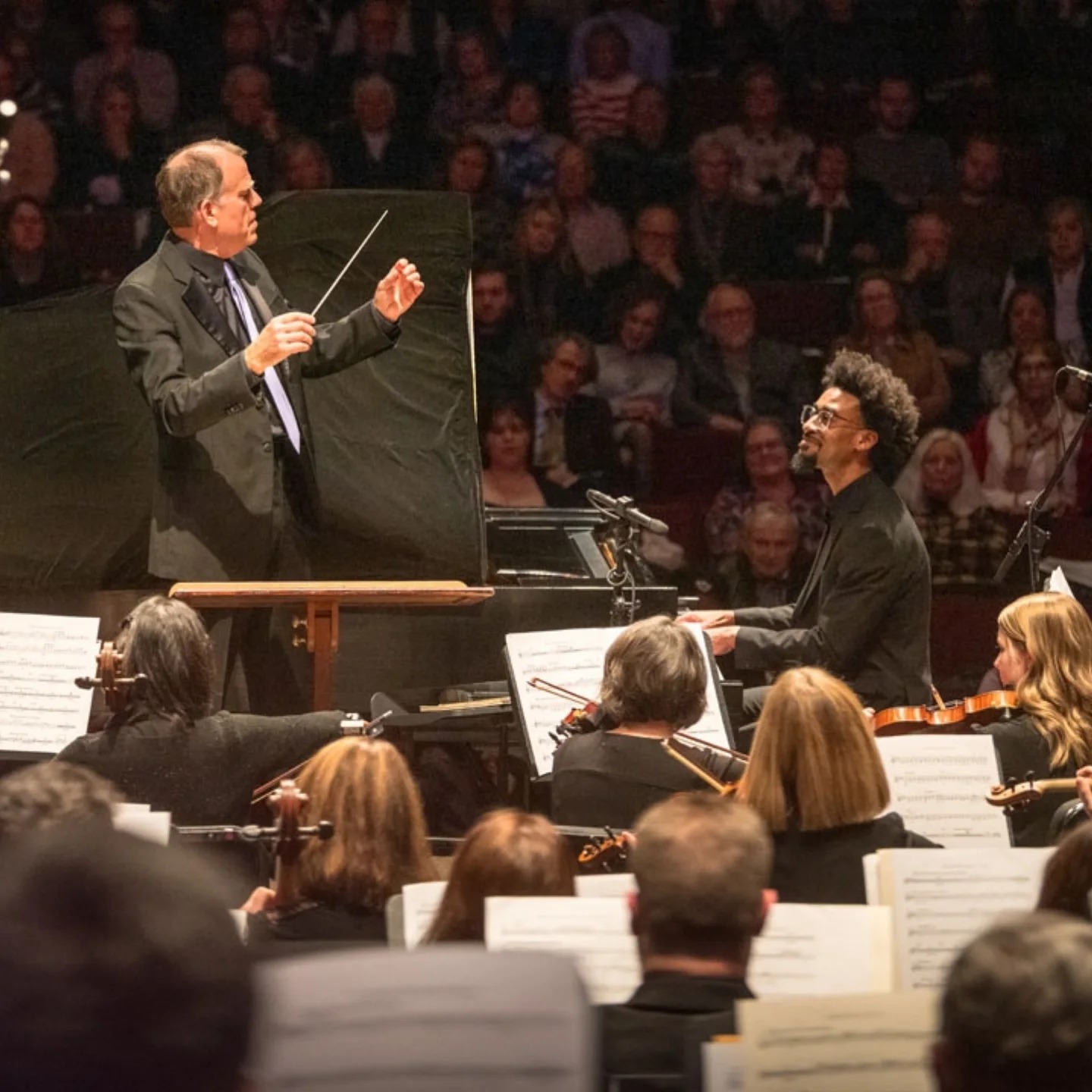 The subtitle of William Grant Still’s Symphony No. 4, “Autochthonous,” made for a little vocabulary lesson at the Akron Symphony last weekend.
 This article was originally posted on
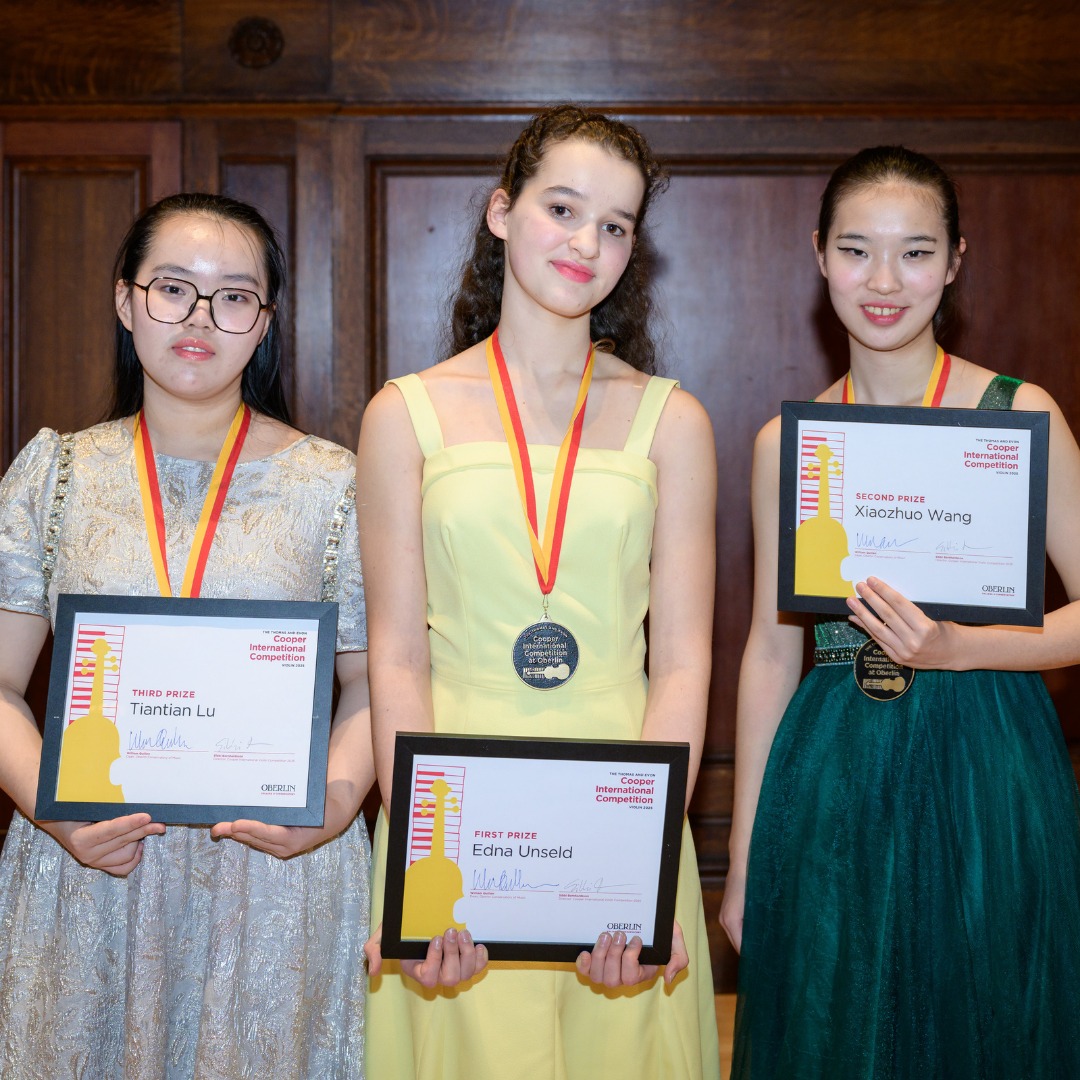 With light snow and a winter wind blowing outside Oberlin’s Finney Chapel, the Final Round of the 2025 Cooper Competition — the January edition of the usual August event — looked a bit different this year. And yet, there was also a healthy sense of déjà vu.