

by Peter Feher
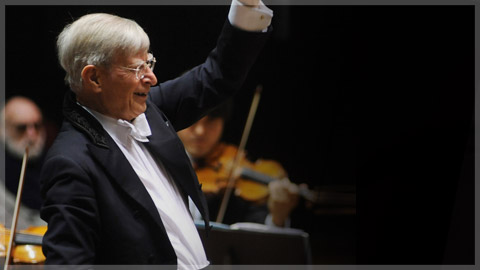 There are few music directors who know Beethoven better than Herbert Blomstedt. Now 95 years old, the Swedish-American conductor has a lifetime of serious study and performing experience to draw on, but this isn’t to say his interpretations are set in stone.
The mix of curiosity and thoroughness that’s sustained Blomstedt throughout his career was just as apparent in his program with The Cleveland Orchestra on February 16. If he’s slowed down somewhat since his last appearance here — the biggest change is that he now conducts seated at the podium — there was nonetheless a sense of coming full circle as he led Beethoven’s Seventh Symphony.
 Every once in a while, a concertgoer is treated to an evening where all of the hoped-for elements are in place: the playing is first-rate, the performers exude warmth and ease, the audience is engaged, the program is a mix of familiar and unusual — in other words, a concert with Carnegie Hall electricity but summer festival
 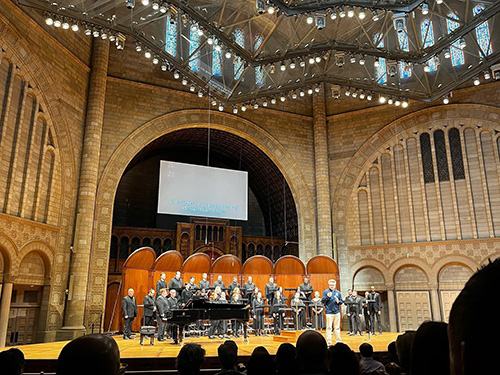 Since it made its impressive debut in 2015, Scott MacPherson’s Cleveland Chamber Choir has enlivened the choral music scene in Northeast Ohio with superb performances of carefully curated, interestingly-themed programs that so far have added more than 32 new commissioned works to the repertoire.
 Playing in an established chamber group is all about routine and slow, gradual progress. There’s something comforting about playing with the same people over and over again, familiarizing yourself with their style and quirks. But sometimes, temporary chamber groups — perhaps formed for one concert only — can inject some extra fun and excitement. On Sunday, February 19, two generations of musicians shared the stage at St. Wendelin Church as Arts Renaissance Tremont presented a program of Schumann and Brahms.
 Soprano Jennifer Rowley and pianist Jason Aquila brought an unmistakable love for bel canto singing to Gamble Auditorium at Baldwin Wallace the evening of February 13. In a recital entitled “Inspirazione,” Rowley acknowledged her indebtedness to the mostly bel canto composers on the program and to the conductors and collaborators who have thus far aided her career. She hoped to repay the debt in kind to the excited BW voice students listening from the balcony.
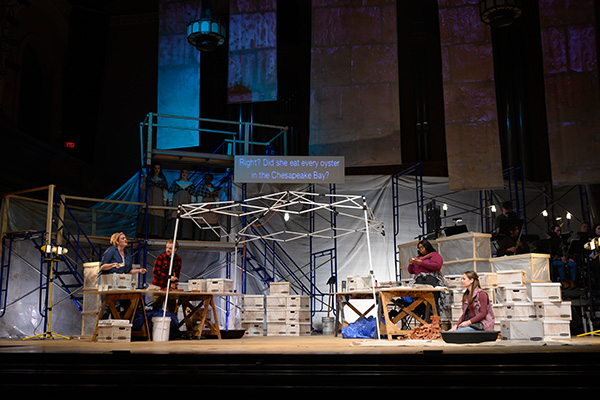 The program synopsis of the new opera Alice Tierney — which received its world premiere performances on January 27 through 29 at Oberlin’s Finney Chapel (I attended on the 29th) — consists of one brief paragraph.
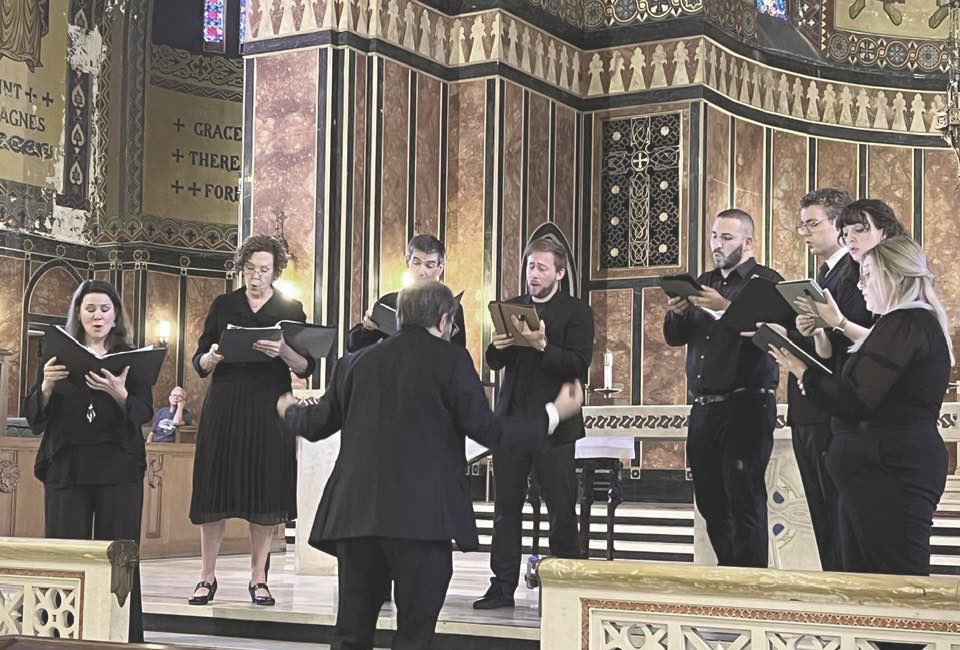 Cleveland has become something of a hotbed for chamber music, with a winter season sponsored by the Cleveland Chamber Music Society, two summer series curated by ChamberFest Cleveland and Encore Chamber Music Institute, and an orchestra famous for playing with the precision and nuance of a 90-piece string quartet.
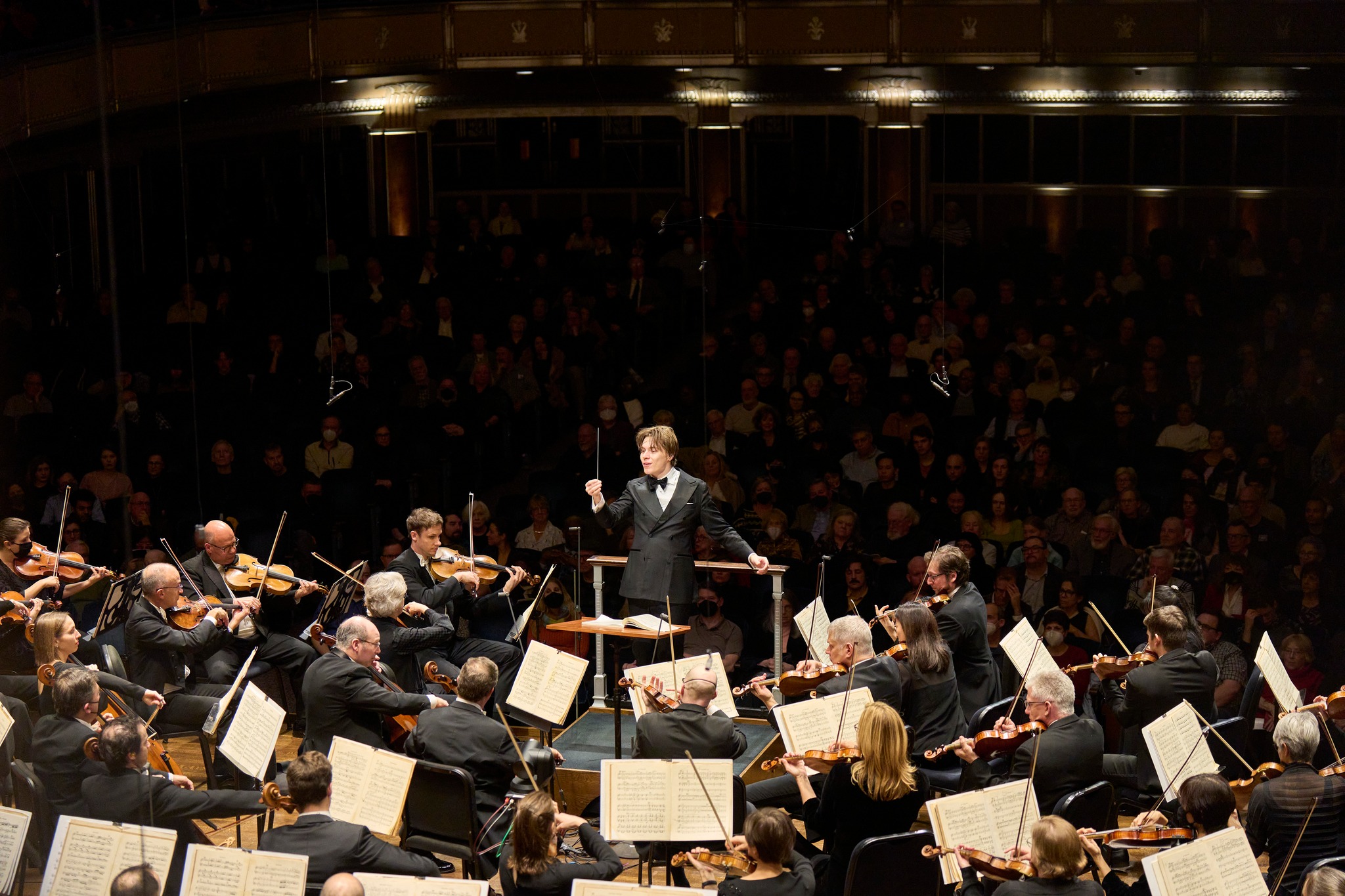 On February 9, concertgoers approaching Severance Music Center likely noticed the dramatic lighting choices — the building had been lit up in a deep red. With Mahler’s Fifth Symphony on the program, it felt fitting. The composer’s intense and passionate works are popular with both musicians and audiences, and an unsurprisingly crowded house packed Mandel Concert Hall for the occasion. Not only was the music guaranteed to generate interest, but so was the conductor: young Finnish phenom Klaus Mäkelä, in his second consecutive week this season with The Cleveland Orchestra.
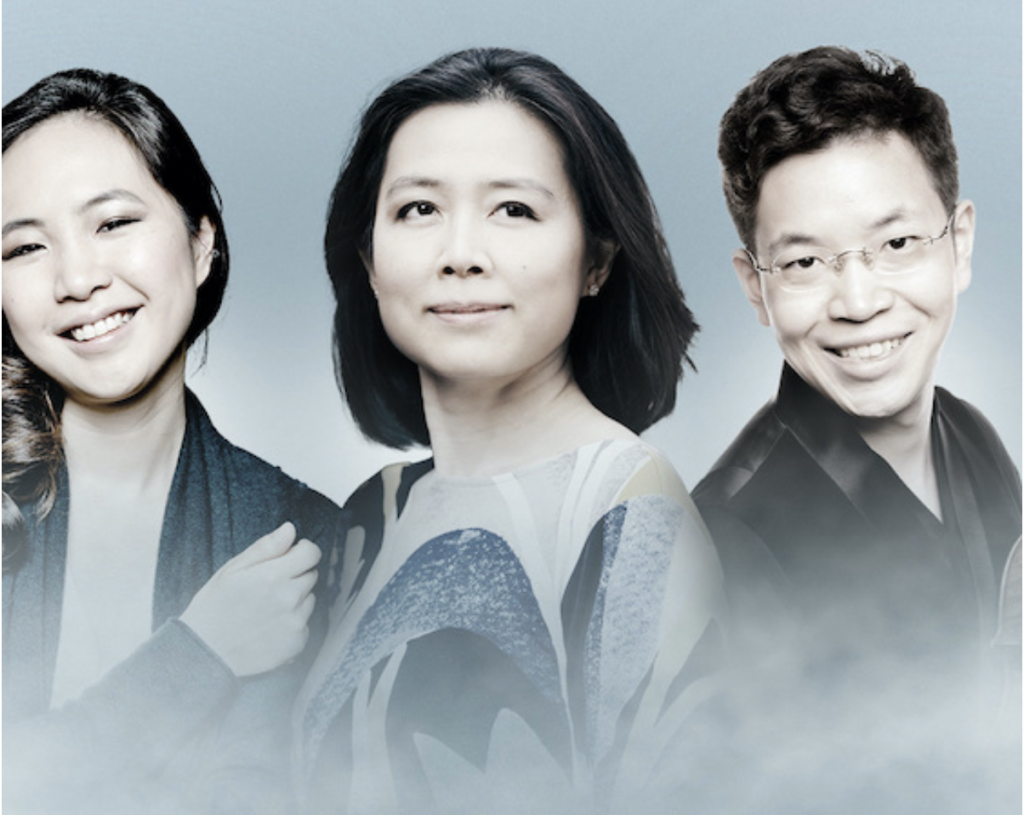
 On February 6, the Butler Piano Trio (Sandy Yamamoto, violin, Joshua Gindele, cello, and Colette Valentine, piano), treated the West Shore Unitarian Universalist Church audience to a compelling evening of generous and potent music making.
 Longtime fans of Apollo’s Fire might think they’ve heard everything possible from Cleveland’s Baroque Orchestra, but they should have another listen. A fresh lineup of musicians and a largely unfamiliar set of composers were featured in the group’s concerts this month, making for an exciting evening with just a hint of trial and error.