

by Mike Telin

Although Nic McGegan has led numerous concerts with The Cleveland Orchestra, he has never conducted Apollo’s Fire. That will change this week when he makes his debut with the acclaimed period instrument ensemble in five area performances of Handel’s Messiah.
On Wednesday, December 8 at 7:30 pm at St. Bernard Catholic Church in Akron, McGegan will lead Apollo’s Fire & Apollo’s Singers and soloists Erica Schuller, soprano, Daniel Moody, countertenor, Thomas Cooley, tenor, and Hadleigh Adams, baritone, in Handel’s celebrated oratorio. Performances run through Sunday, December 12. See our Concert Listings page for locations and times. Tickets are available online.
For the next two weeks McGegan’s musical life will be all about Handel’s oratorio. “I’m doing nine in total — five with Apollo’s Fire and then four with the Chicago Symphony,” the affable maestro said during a telephone conversation from St. Louis, where he was conducting concerts with the St. Louis Symphony.
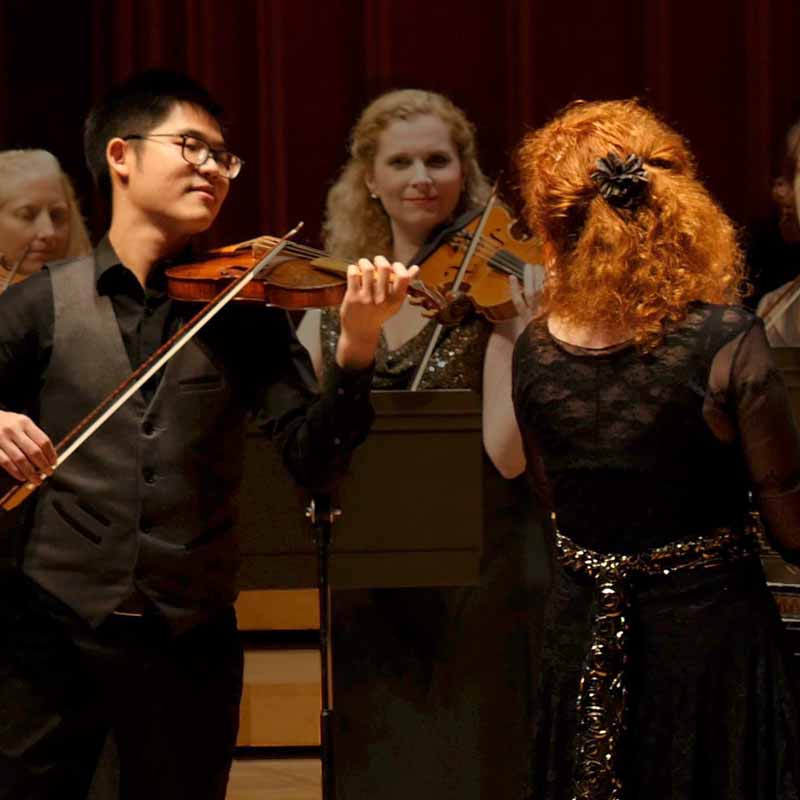 It’s fun and illuminating to trace outside influences on composers’ changing styles as they make their way through life, standing on the shoulders of their predecessors to see a clearer view of the future.
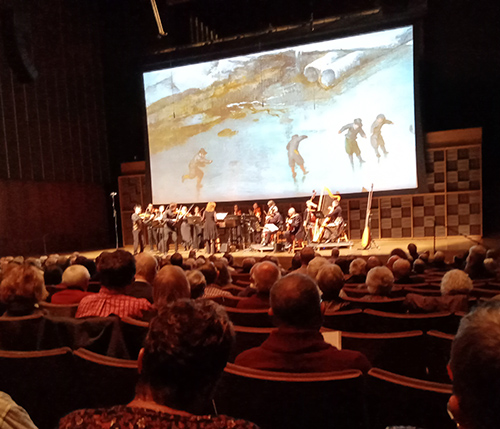 At the top of their program at the Cleveland Museum of Art on Sunday afternoon, October 24, Apollo’s Fire founder and artistic director Jeannette Sorrell told the full house that the Baroque orchestra was opening its 30th season with Vivaldi’s Four Seasons rediscovered, returning to a piece that the ensemble has featured every year since 1991.
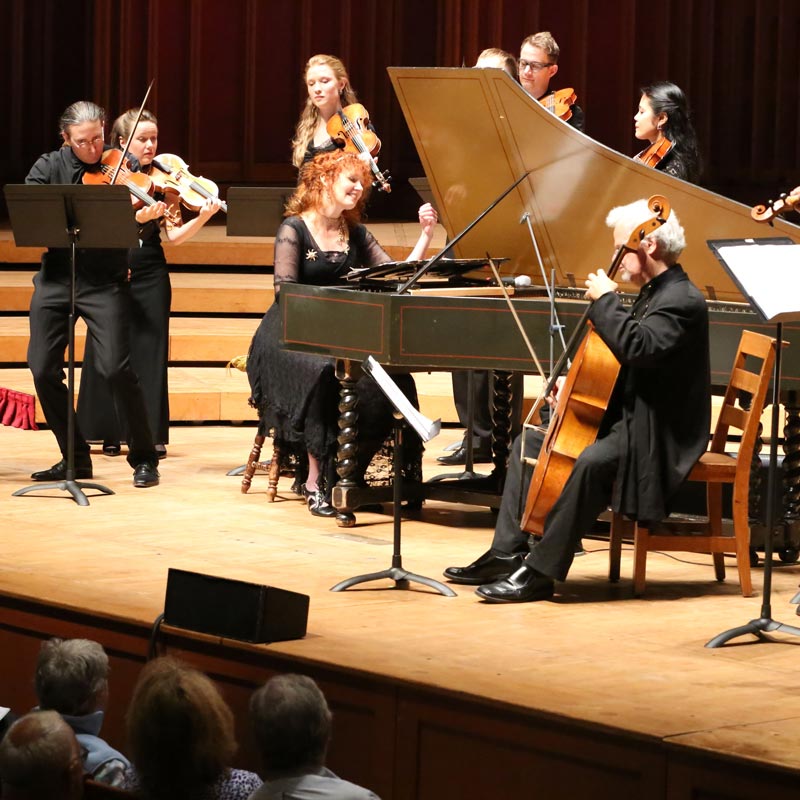 Apollo’s Fire is making the most of the summer. Cleveland’s Baroque Orchestra is easing audiences back into live performances this month with a program, “Bach, Vivaldi, and Friends,” that satisfies all musical expectations. The group followed up a terrific first concert on Saturday, July 10, at the Avon Lake United Church of Christ with two more local performances and one on tour at Tanglewood.
 TONIGHT IN-PERSON AND ONLINE:
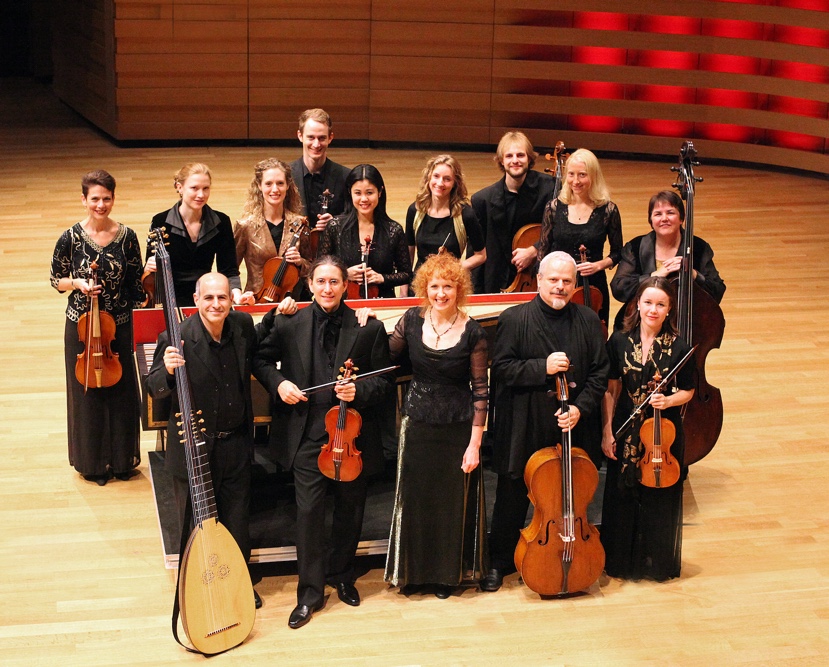 Now that in-person concerts are becoming the rule rather than the exception, Apollo’s Fire is scheduling three local performances of “Bach, Vivaldi, and Friends!” from July 10-14, and taking shows on the road to four summer festivals: Tanglewood, Chautauqua, Caramoor, and Ravinia.
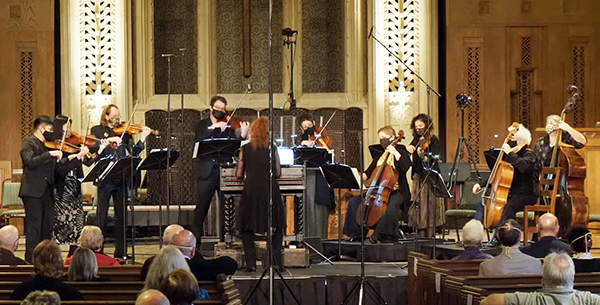 A virtuoso is a highly skilled performer, and a virtuoso performance is one that astonishes the audience by its feats. In ancient Greece the cities would hold male competitions in acrobatics, conjuring, public reciting, blowing the trumpet, and acting out scenes from Homer’s epics, the winners of which would have been praised as virtuous, or “full of manly virtues.” —
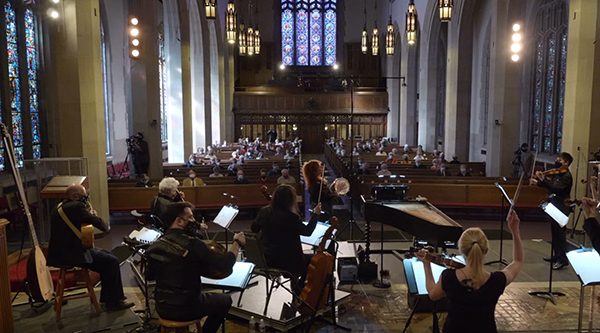 With each of its themed programs, Apollo’s Fire is becoming more than just a period instrument ensemble that gives concerts. Its March program, “Tapestry — Jewish Ghettos of Baroque Italy,” which replaces performances of Handel’s Israel in Egypt, finds Jeannette Sorrell and her colleagues moving seamlessly out of their usual roles to morph into singing actors and dancers, all in order to bring the subject at hand to vibrant life.
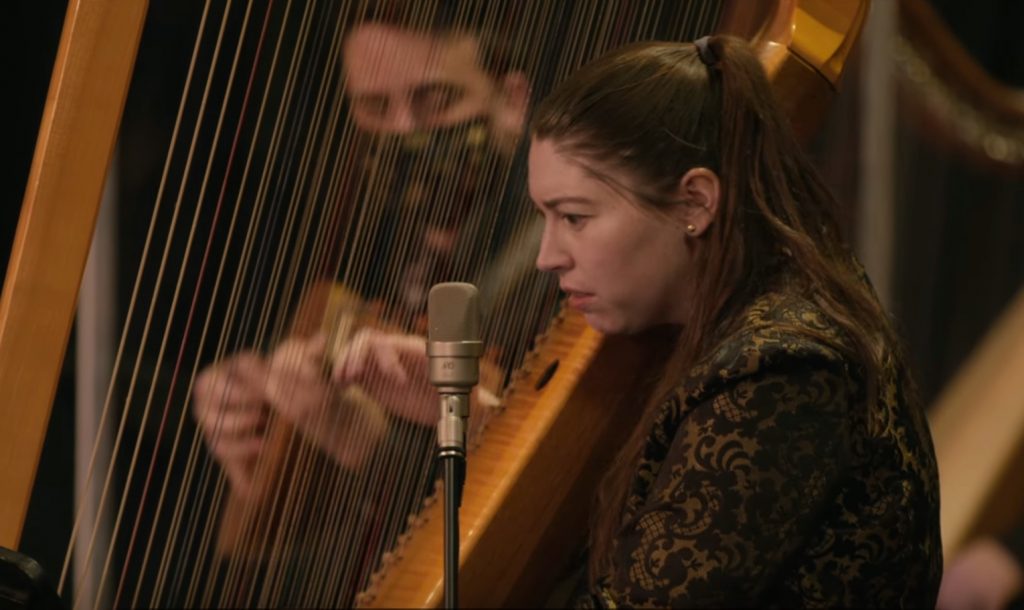 With the novel coronavirus surrounded but not yet defeated, Apollo’s Fire’s February program “Elegance: The Harper’s Voice” morphed from in-person performances to a recording session at First Baptist Church on February 27 that yielded a fine video of a high-quality concert, released on March 10. A few invited souls sprinkled throughout the pews provided enough of an audience to make a brave noise when cheering was called for, and that was often.