by David Kulma
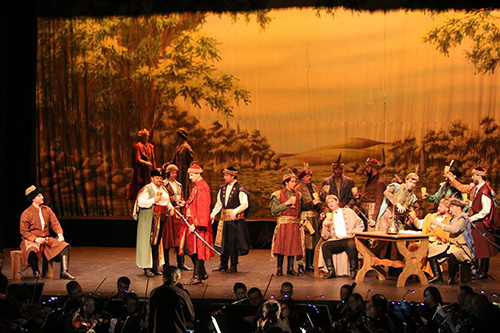 A rare operatic treat graced the Ohio Theatre at Playhouse Square on Saturday, June 16: a single performance of Stanisław Moniuszko’s 19th-century, Polish-language gem Straszny dwór. Designed to celebrate the centenary of Polish independence, this traditionally-staged production with Cleveland Ballet added up to an uneven evening. [Read more…]
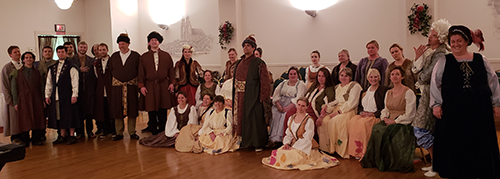
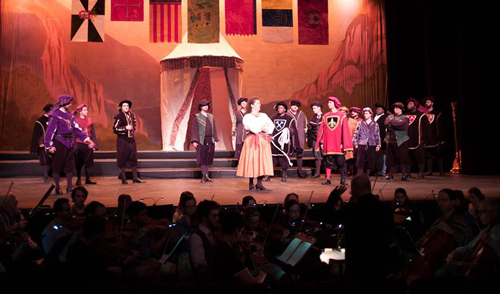 On Saturday, June 11, four years after Opera Circle Cleveland first took on Il trovatore at Bohemian National Hall, the company revisited the opera — one of Verdi’s most popular titles — at the Ohio Theatre in PlayHouse Square. A strong cast of singers and a fine professional orchestra led by Joel Smirnoff lifted the production well above some shortcomings of staging.
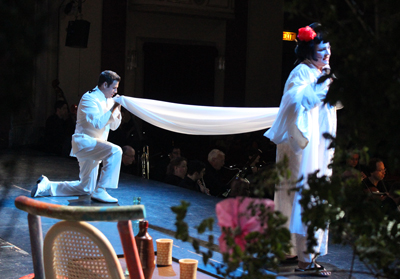
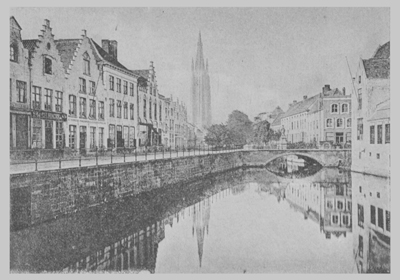 Opera Circle staged an enticing production of Erich Korngold’s Die tote Stadt (“The Dead City”) on Saturday, June 14 at the Ohio Theatre in PlayHouseSquare. The opera is something of a rarity, probably because of the challenges of dealing with the eerie subtleties of its plot, its demand for a Heldentenor to sing the role of Paul, and its opulent 1920s orchestration. Die tote Stadt is a major undertaking for any small company, but Opera Circle admirably rose to the task.