
by Mike Telin
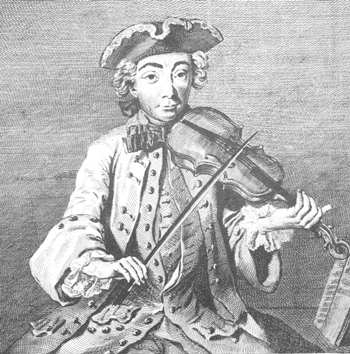 Finding ways to circumvent rules has always been a popular pastime. It has also often inspired creative genius. When Louis XIV put a stranglehold on entertainments such as opera and theater by enforcing rules designed to secure official monopolies, non-court composers and playwrights countered with Fair Theaters (Théâtre de la Foire), low-cost performances on the outskirts of Paris. The satirical plots regularly mocked the pretentiousness of the bourgeois by featuring servants who were far more intelligent than their bosses, or by poking fun at old men who chased after young girls.
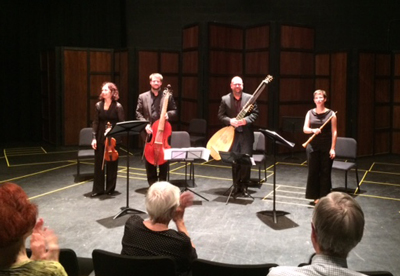
On Saturday, May 7 at 8:00 pm at the Bop Stop and Sunday, May 8 at 4:00 pm at Plymouth Church, Les Délices will present Concertos Comiques. The program will include works by Michel Corrette, Francesco Corbetta, Joseph Bodin de Boismortier, and Jean-Joseph Mouret, performed by Debra Nagy (oboe), Julie Andrijeski and Scott Metcalfe (violins), Josh Lee (viola da gamba), and Simon Martyn-Ellis (theorbo and baroque guitar). [Read more…]
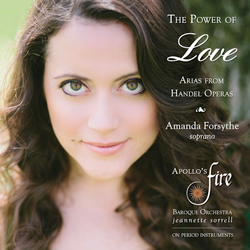 Start with the second track of this excellent survey of George Frideric Handel’s expertise in writing for the soprano voice and its realization through the supple vocal chords of Amanda Forsythe. “Geloso tormento,” from Almira, the 19-year-old composer’s first opera, shows how ravishingly Handel and Forsythe can depict both rage and lament in the course of a single aria. (The soprano stunned audiences with such vocal prowess in the role of Edilia in the same opera during the 2013 Boston Early Music Festival.)
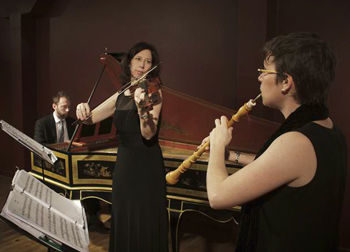 The truism holds that French aristocrats before the Revolution danced time away in utter complacency, refusing to change in the face of the inevitable. The image is probably true with respect to most things that would have mattered to those who stormed the Bastille. But in the world of music, things were changing decades before the Revolution. Writing within a framework of courtly elegance that would have pleased Marie Antoinette, composers were also pushing the boundaries of their music with wit, irony, turmoil, and glimmers of Romantic self-consciousness.
 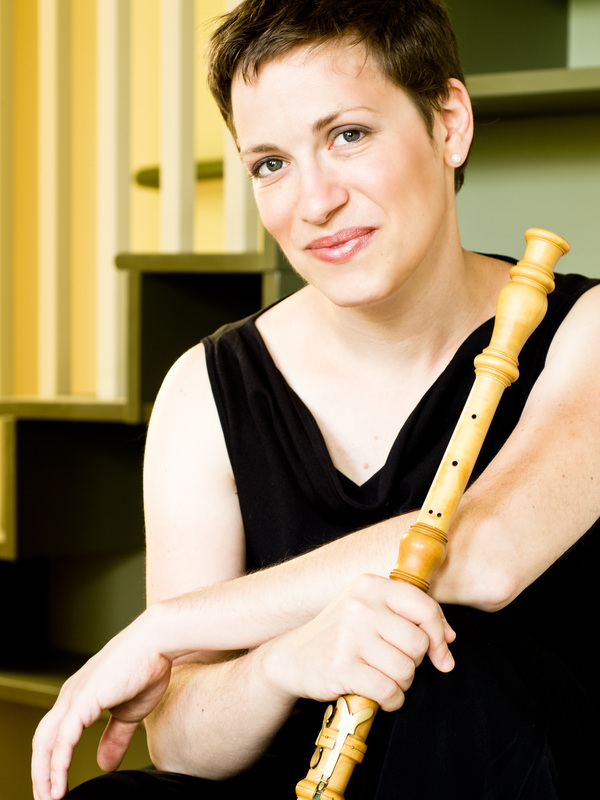 The mid-1700s was a time when French aristocrats viewed leisure as an occupation, furnishing extravagant houses with the latest trends in art and design. They also perused their fancies as patrons of the arts.
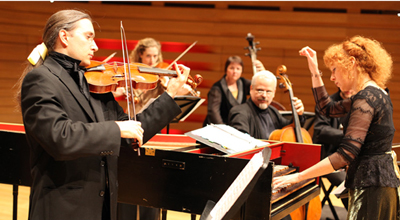 Venice, always on the verge of sinking into the Adriatic, rose well above sea level on Friday evening at Fairmount Presbyterian Church in Cleveland Heights as Apollo’s Fire began its 24th season with “Splendor of Venice: An Orchestral Extravaganza.” Following a parade by the musicians up the center aisle heralded by natural horns on either side of the stage, founder and conductor Jeannette Sorrell announced in her opening remarks that she would play the role of Rick Steves that night, taking the audience on a musical tour of 18th-century Venice.