




by Mike Telin
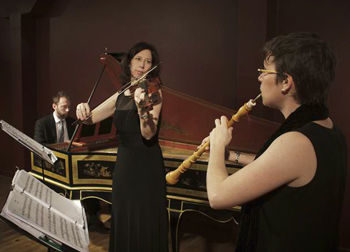 The Cleveland-based early music ensemble Les Délices will open the Signature Series at Lorain County Community College on Thursday, September 24 at 7:30 pm with their newest program, titled Toutes Suites. “The program is all about the genesis of the French baroque instrumental dance suite,” the ensemble’s creative and resourceful artistic director Debra Nagy told us by telephone. The concert, to be held in the Cirigliano Theater, will include music by Lully, Marais, and Couperin performed by Debra Nagy (baroque oboe), Julie Andrijeski (baroque violin), David Ellis (viola da gamba), and Simon Martyn-Ellis (theorbo).
“Toutes Suites is all about the development of the instrumental suite. I’ll talk about how it began with a pairing of traditional dances like a pavane and gaillard during the late sixteenth and early seventeenth centuries, and how that concept developed into the standard format that we have today, with a prelude followed by a very specific series of dances like an allemande, courante, minuet, and gavotte,” Nagy explained. “I’ll also talk about how the instrumental suites were not necessarily meant to be danced, but rather they were composed for solo instruments like the harpsichord, the lute, or for a small ensemble.” [Read more…]
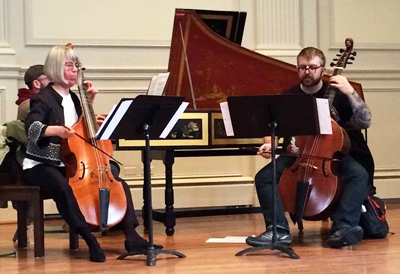 The provocative title of Les Délices’ final program of the season alludes to two composers of the seventeenth-century: the “angelic” Marin Marais (read: pleasant and generous) and the “diabolical” Antoine Forqueray (read: self-centered and cantankerous). With all their differences, the angel and the devil can be strangely allied: both men were virtuosos on, and champions of the seven-string viol, the richly expressive bass instrument that characterizes much of early French baroque music.
  Now that the sun is finally beginning to melt some of Cleveland’s snow piles, the Cleveland-based band Les Délices reminds us of the wintry darkness from which we earnestly hope soon to emerge. In a departure from their usual repertoire — the secular music of the French baroque — the group served up a rich and satisfying feast of Lenten fare, a concert of sacred music for the Christian season of penitence and reflection. (This concert repeats on Saturday, March 7, at St. Peter’s Church, Cleveland (7:30 pm) and Sunday, March 8, at Plymouth Church UCC, Shaker Heights (4:00 pm).
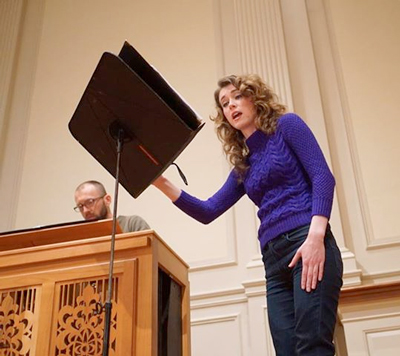
 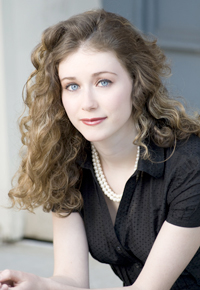 This weekend, Les Délices will present “Cantiques Spirituels — Music for Lent,” a concert that straddles the worlds of private devotion and the public sphere. “What I think is wonderful about this program is the interesting juxtaposition of the texts with the music,” guest soprano Nola Richardson said during a recent telephone conversation. “The texts are quite somber, but the music of Couperin and Charpentier is so elaborate and beautiful.”
 On Saturday, January 17 at 8:00 pm in William Busta Gallery, and on Sunday, January 18 at 4:00 pm in Plymouth Church, Les Délices, in collaboration with Blue Heron Ensemble, Scott Metcalfe (left), director, will present a fascinating concert entitled Fourteenth Century Avant-Garde.
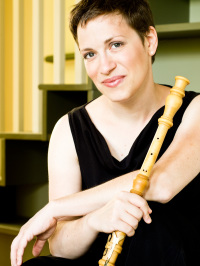 Fourteenth century avant-garde? “It’s one of the most exciting moments in music history for me,” Les Délices founder and artistic director Debra Nagy said during an enlightening telephone conversation. “To our ears, the music may not sound modern, yet in many respects it is some of the most rhythmically complex music that we have until the 20th century.”
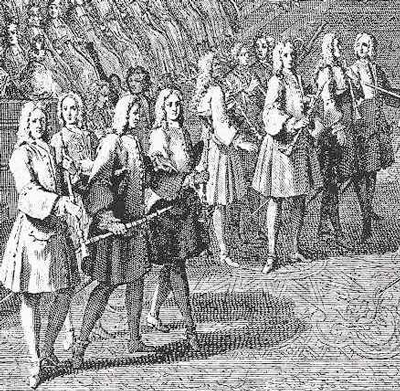 There were no horses in the parade, but the procession that brought the musicians of Les Délices onstage at the Bop Stop Saturday evening hinted at the military origins of the stirring French baroque music to come.
 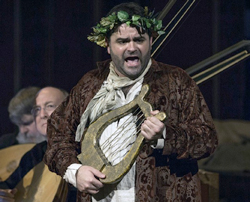 Inspired by one of the 18th century’s most famous tenors, Pierre Jélyotte, Les Délices’s new program The Leading Man includes operatic excerpts of musical heroism, absurdist comedy, and ravishing beautythat were central to Jélyotte’s repertoire. In her program notes, Les Délices’s founder and director Debra Nagy writes: “Jelyotte appears to have cultivated nothing but admirers. [His] contemporaries remarked on his range, volume, and the velveteen beauty of his tone. … He had only to sing, and those who listened were intoxicated. All the women went mad.”