



by Steven Plank
Special to ClevelandClassical.com
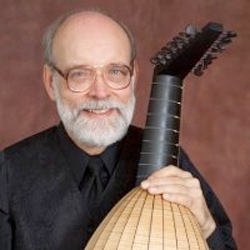 In a sadly pleasing strain
Let the warbling lute complain.
Alexander Pope’s memorable couplet from his Ode on St. Cecilia’s Day poetically voices the doleful propensity of the lute, and with the news of the death of Stephen Toombs on August 17, it also seems to voice the Cleveland musical community’s deep sense of loss. In his 28 years as the music librarian at Case Western Reserve University, Stephen combined a love of scholarship and the diverse sources that bring it to life with a passion for the music that was dearest to his heart: Renaissance and Baroque music for the lute.
The intertwining of these strands was deep-rooted in his training as musicologist, librarian, and lutenist, and given the high distinction of the performance practice program at the University, this meant that at his arrival there, both the school and its new librarian could rejoice in a match most felicitously made. [Read more…]


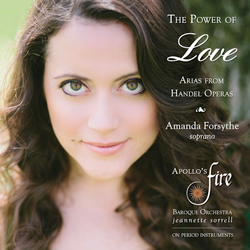 Start with the second track of this excellent survey of George Frideric Handel’s expertise in writing for the soprano voice and its realization through the supple vocal chords of Amanda Forsythe. “Geloso tormento,” from Almira, the 19-year-old composer’s first opera, shows how ravishingly Handel and Forsythe can depict both rage and lament in the course of a single aria. (The soprano stunned audiences with such vocal prowess in the role of Edilia in the same opera during the 2013 Boston Early Music Festival.)
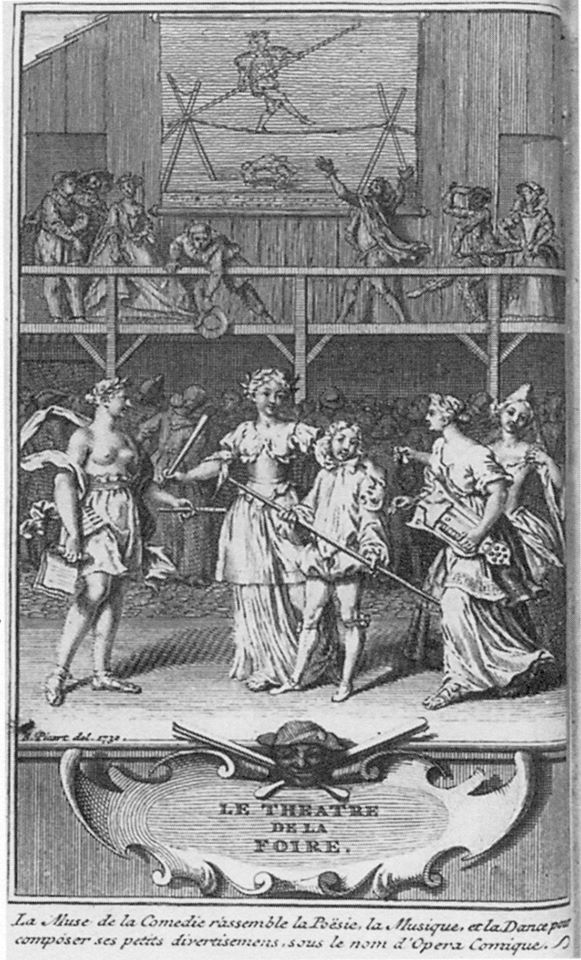
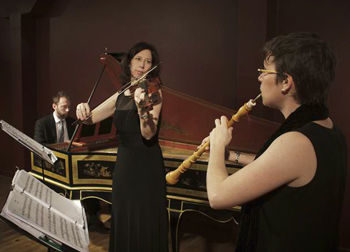 The truism holds that French aristocrats before the Revolution danced time away in utter complacency, refusing to change in the face of the inevitable. The image is probably true with respect to most things that would have mattered to those who stormed the Bastille. But in the world of music, things were changing decades before the Revolution. Writing within a framework of courtly elegance that would have pleased Marie Antoinette, composers were also pushing the boundaries of their music with wit, irony, turmoil, and glimmers of Romantic self-consciousness.
  The mid-1700s was a time when French aristocrats viewed leisure as an occupation, furnishing extravagant houses with the latest trends in art and design. They also perused their fancies as patrons of the arts.