



by Kevin McLaughlin
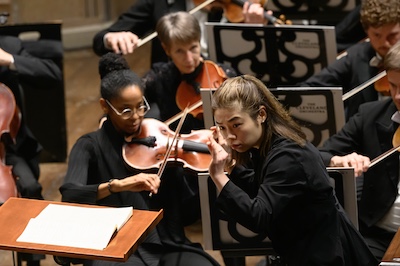 This article was originally published on Cleveland.com
CLEVELAND, Ohio — The art of conducting is a kind of alchemy — the transformation of inert notes on a page into something vividly alive. A conductor absorbs a composer’s intentions, reimagines them, and releases them again through that remarkable instrument, the symphony orchestra. On a good night the music feels less reproduced than re-created, and the listener senses the thrill of discovery.
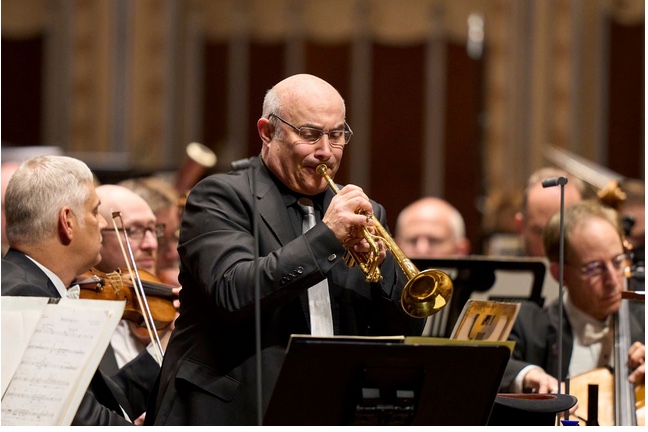
In her appearance with The Cleveland Orchestra at Severance Music Center Thursday, March 12, conductor Elim Chan provided such an evening. She honored the distinct language of each score — Stravinsky’s refashioning of Baroque style in Pulcinella, Haydn’s elegant Trumpet Concerto with Michael Sachs as the eloquent soloist, and Beethoven’s enduring Fifth Symphony. But fidelity did not mean routine.
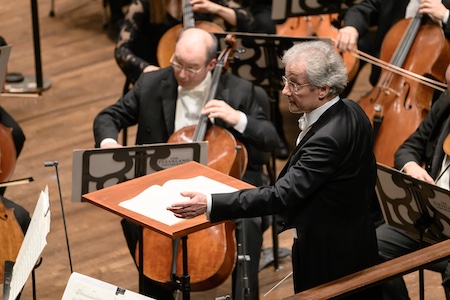
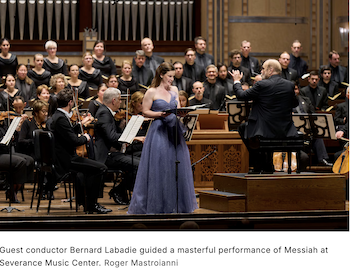 This article was originally published on
 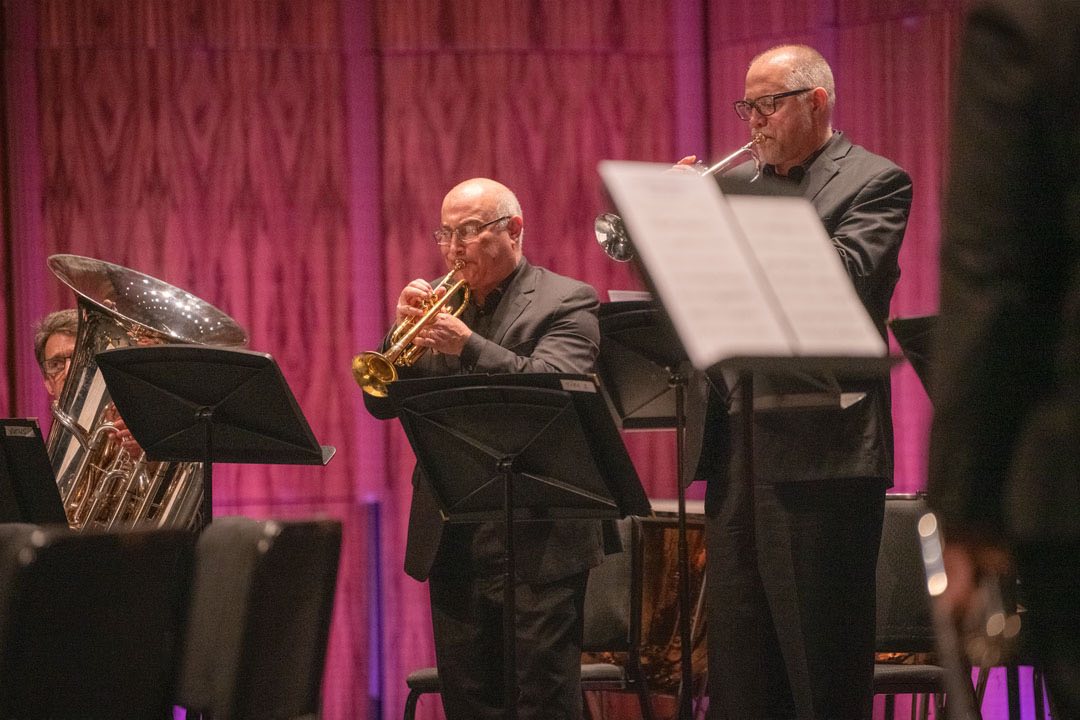 There are very few American cities who can count themselves as having an official fanfare. But now, Akron is one of them.
 This article was originally published on
 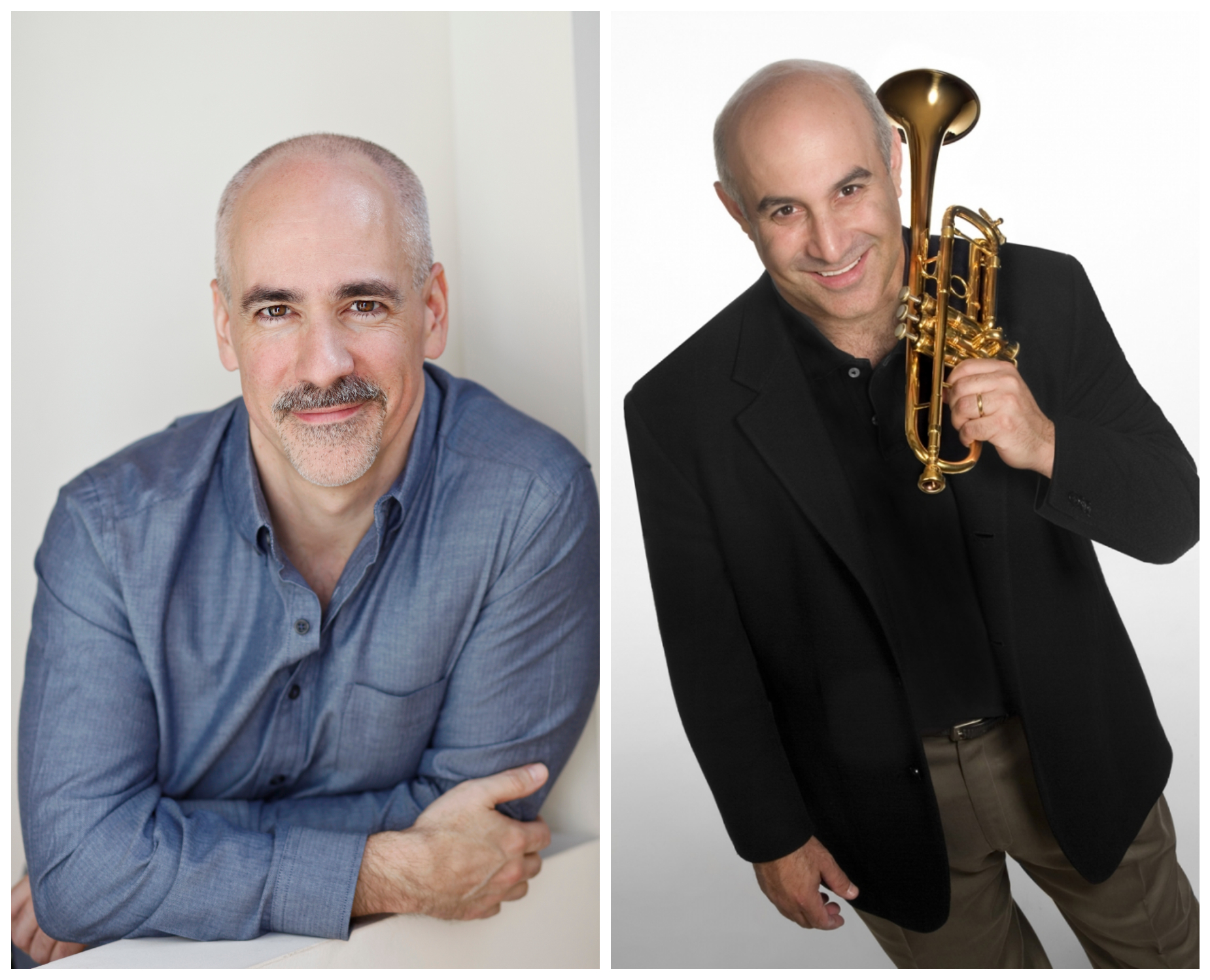 Composer and conductor Peter Boyer has a lot on his plate. But when recording producer Elaine Martone called him two years ago with an offer from Tuesday Musical, he just couldn’t say no.
 This article was originally published on
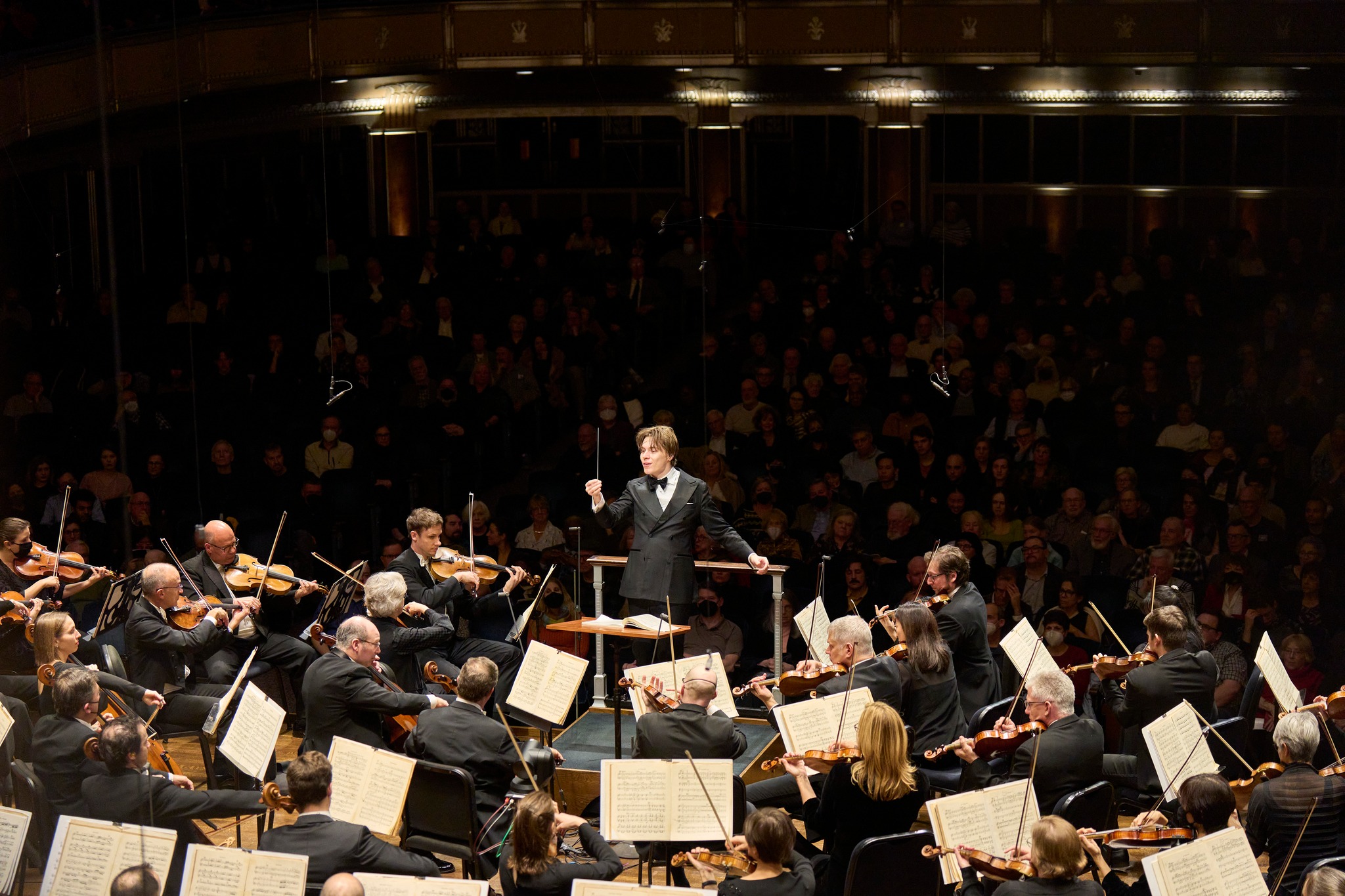 On February 9, concertgoers approaching Severance Music Center likely noticed the dramatic lighting choices — the building had been lit up in a deep red. With Mahler’s Fifth Symphony on the program, it felt fitting. The composer’s intense and passionate works are popular with both musicians and audiences, and an unsurprisingly crowded house packed Mandel Concert Hall for the occasion. Not only was the music guaranteed to generate interest, but so was the conductor: young Finnish phenom Klaus Mäkelä, in his second consecutive week this season with The Cleveland Orchestra.