by David Kulma
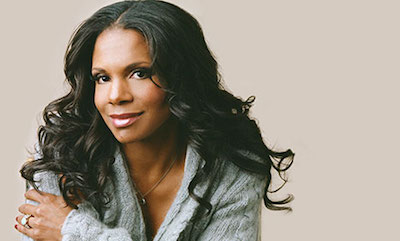 A glorious evening of music titled “Audra McDonald Sings Broadway” featured that justly famous soprano performing with The Cleveland Orchestra and conductor Andy Einhorn. The July 29 program at Blossom Music Center included a variety of songs from musicals famous and rare, from the works of Rodgers & Hammerstein to living composers.
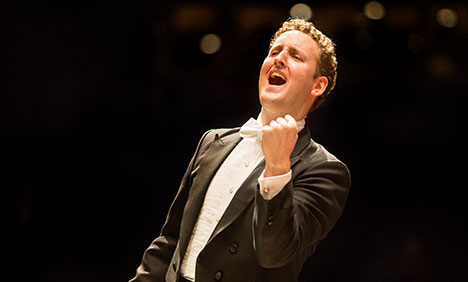 On Sunday, August 5 at Blossom Music Center, The Cleveland Orchestra played a concise and musically satisfying program of works by three Czech composers: Smetana, Janáček, and Dvořák. British conductor Michael Francis led the stylish performance. With the temperature hovering around a sweltering and humid 87 degrees at concert time, the male members of the orchestra sensibly doffed their usual white dinner jackets for shirtsleeves. Even the tree-surrounded — and usually cooler — Blossom grounds failed to provide much relief from the midsummer heat.
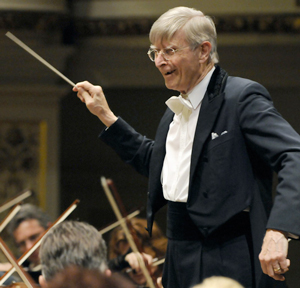 Having recently turned 91, Herbert Blomstedt is practically an institution in himself, with a career spanning more than six decades. On Saturday, July 28, he returned to Northeast Ohio to lead The Cleveland Orchestra at Blossom Music Center in two canonical symphonies by Mozart and Brahms. The “Jupiter” was so smooth and straightforward as to pass by unremarkably, while the stirringly passionate performance of Brahms 4 showed how a seasoned conductor with a top-flight orchestra can achieve magic.
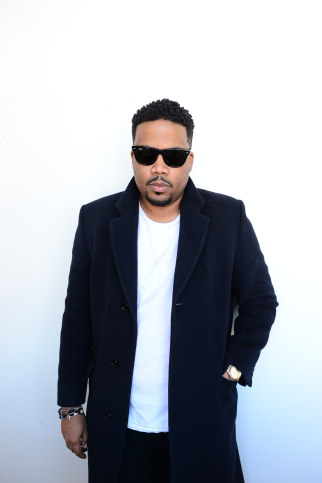 Time Canvas Ensemble will cap off their
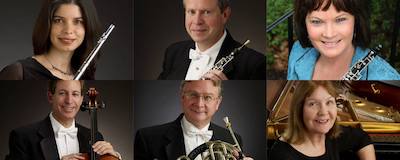 Kent Blossom presented its fifth and final faculty series program in Ludwig Recital Hall last Wednesday, August 1. The evening’s highlight was the gorgeous performance of Charles-Marie Widor’s
 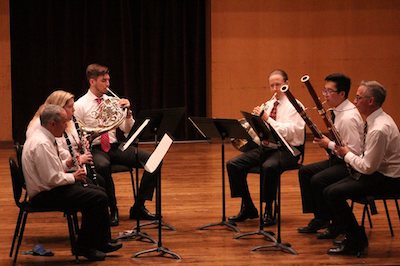 Wind players take every opportunity to play Mozart, and when they are musicians at the highest level, it’s easy to come away smiling. That was the case on the Kent Blossom faculty concert on Wednesday, July 25 in Kent State’s Ludwig Recital Hall, where an array of Mozart’s works for winds made for a splendid evening.
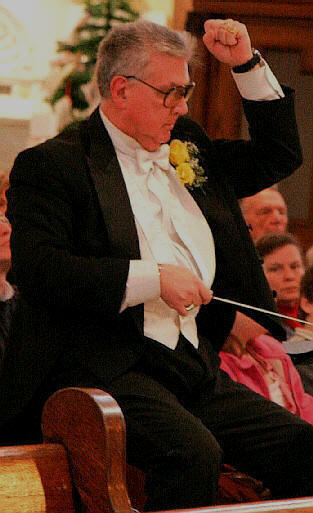 For his final performance with Master Singers Inc., the Akron-based chorus he founded 17 years ago, conductor J.D. Goddard will lead two of his all-time favorite works by Johannes Brahms — the Fourth Symphony
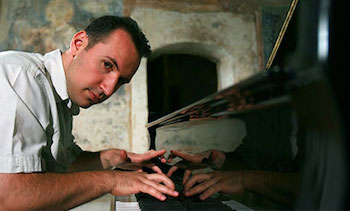 The sounds of Russian music will fill Blossom Music Center on Saturday, August 11 at 8:00 pm when Vasily Petrenko leads The Cleveland Orchestra in Liadov’s Baba-Yaga, Rachmaninoff’s Rhapsody on a Theme of Paganini and Prokofiev’s Symphony No. 5. Tickets are available