by Nicholas Stevens
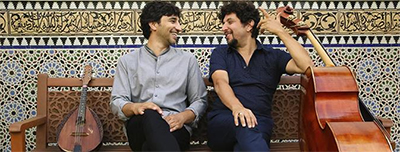 Building on shared qualities, musicians from divergent traditions and genres can achieve synthesis in sound. This is the premise behind Avital Meets Avital, an album and touring program devised by two unrelated holders of the same Moroccan-Jewish surname. The premise of such cross-genre collaborations implies that musical matter fired from opposing directions will fuse, but still generate the hot glow of differences reconciled. In a recent performance in Cleveland, however, no such glimmer of inter-genre friction remained. [Read more…]
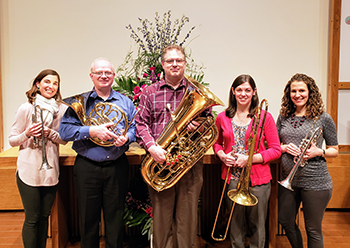 Utter the phrase “brass quintet” to the average listener, and expect a reply that references particular kinds of music, from Renaissance church polyphony and Bach fugues to modernist movements and jazz arrangements. The instrumentation remains common enough to come with such associations, but rare enough that many audiences only get to experience its core repertoire.
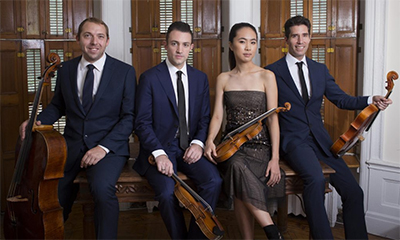
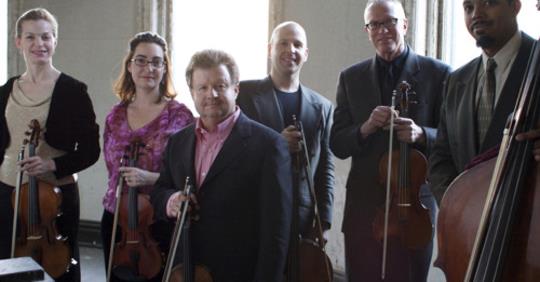

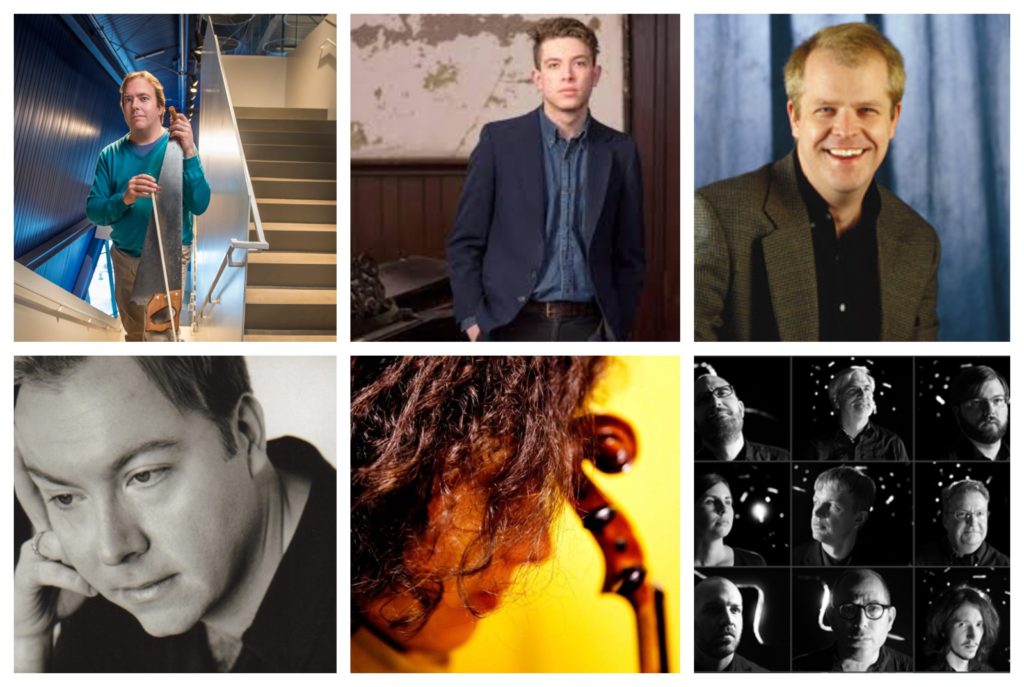 In a Northeast Ohio music world recently energized amid multiple anniversary seasons, ensembles have faced the challenge of honoring their histories while plunging headlong into the future. Leave it to No Exit new music ensemble, ten years young this season, to prove itself among the most forward-thinking of all. In a concert of world premieres on Saturday, February 16, the chamber collective played a program defined more by promise than by pomp.
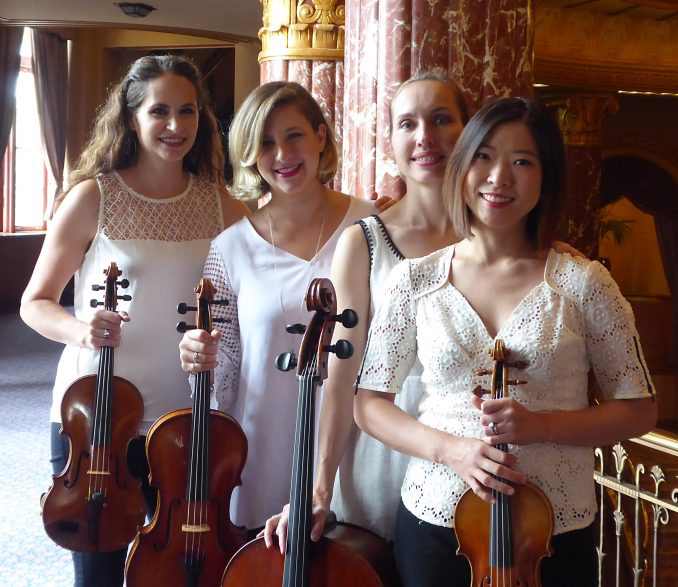 Mid-February finds most Northeast Ohioans in a kind of limbo. A month remains before the sun once again shines for twelve hours a day. At a time of year like this, it helps the listener cope when musicians kindle sonic warmth. Playing in an intimate setting that looked out on the sparse, snow-dusted gardens of the Dunham Tavern Museum in Cleveland, the Omni Quartet and four guest players did just that on February 10, in an installment of Heights Arts’ Close Encounters Chamber Music series designed to combat the deepest winter blues.