

by Stephanie Manning
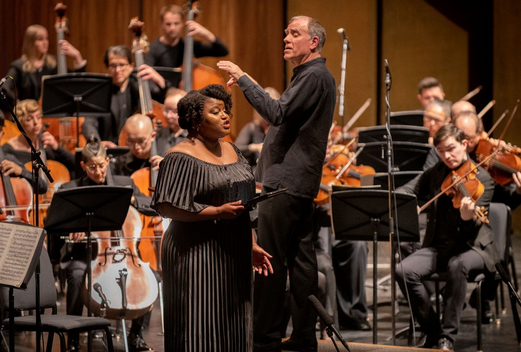 It’s not unusual to hear Johannes Brahms’ German Requiem with chorus and piano four-hands, rather than chorus and orchestra. Music-loving Clevelanders may even have heard that version recently, as it’s been popping up on local programs. But on Saturday, May 13, the Akron Symphony Orchestra and Chorus teamed up for a performance of the work that would satisfy lovers of both versions alike.
Before the Requiem, however, the Orchestra and music director Christopher Wilkins opened the evening with Valerie Coleman’s Umoja. Best known in its arrangement for woodwind quintet, the piece gained an orchestral version a few years ago — one that uses the diverse timbres of the bigger ensemble to put a new spin on the work. [Read more…]
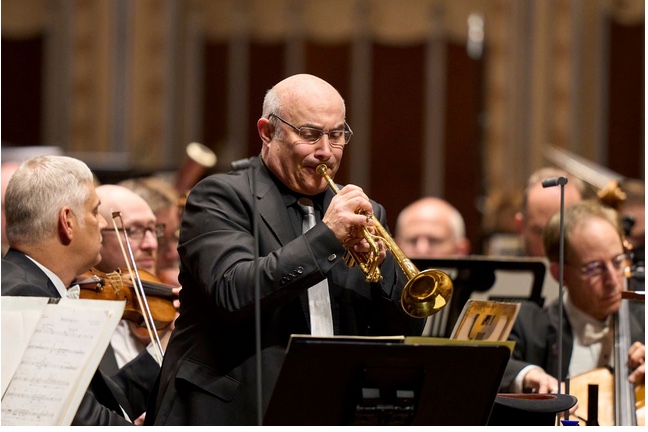
 Most clarinetists are no strangers to playing on all the different varieties of their instrument. But using three of them over the course of just one piece? That’s a little more unusual.
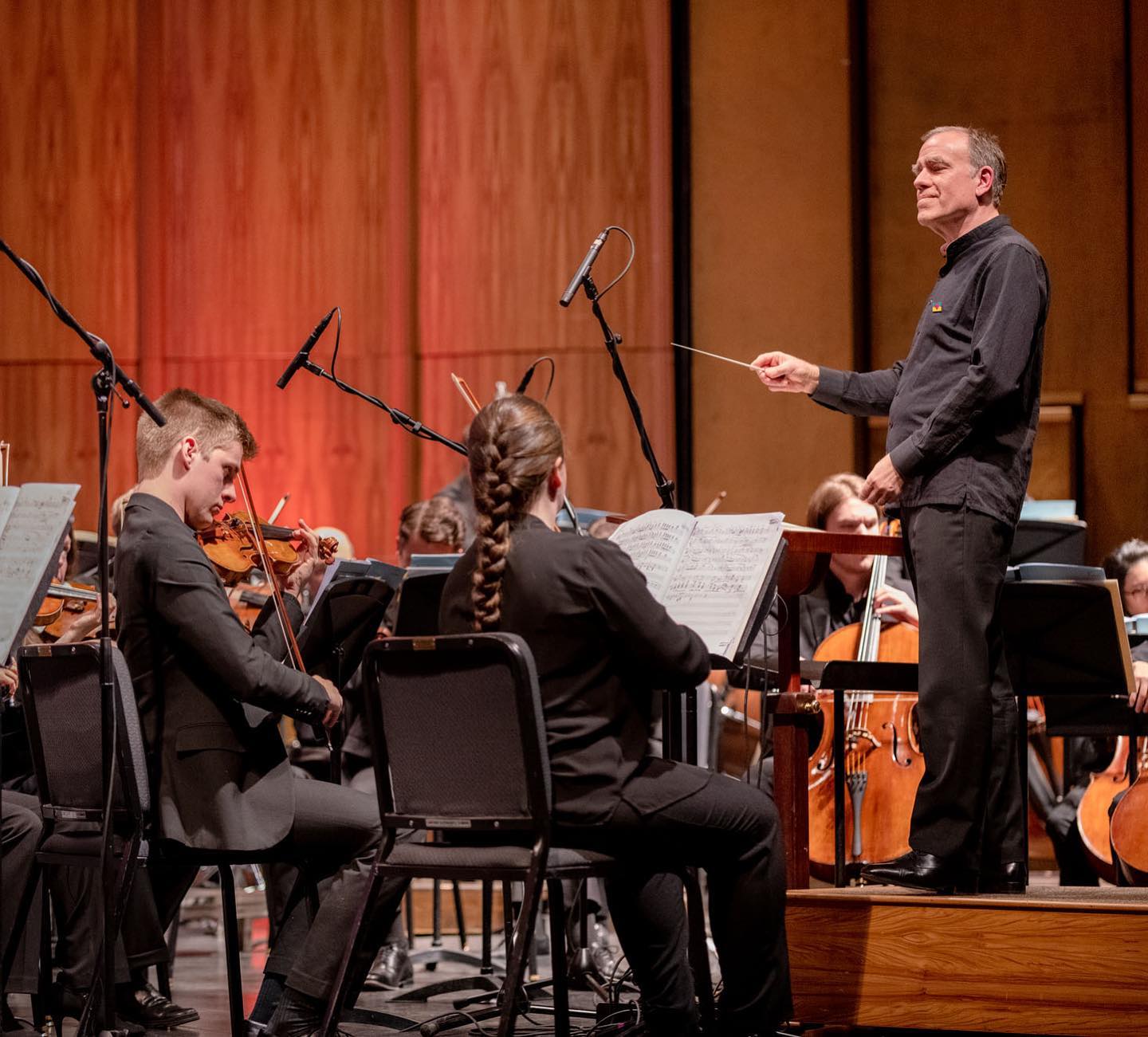 Sometimes it can be easy to forget just how much classical music is loved worldwide. Thousands of miles away from the classical music strongholds in Europe and North America, musicians of all backgrounds compose and perform with passion — even at times in the face of difficult circumstances. But as Akron Symphony music director Christopher Wilkins reminded his audience on Saturday, this love is often unrequited, leaving works from places like the Middle East underrepresented on American stages.
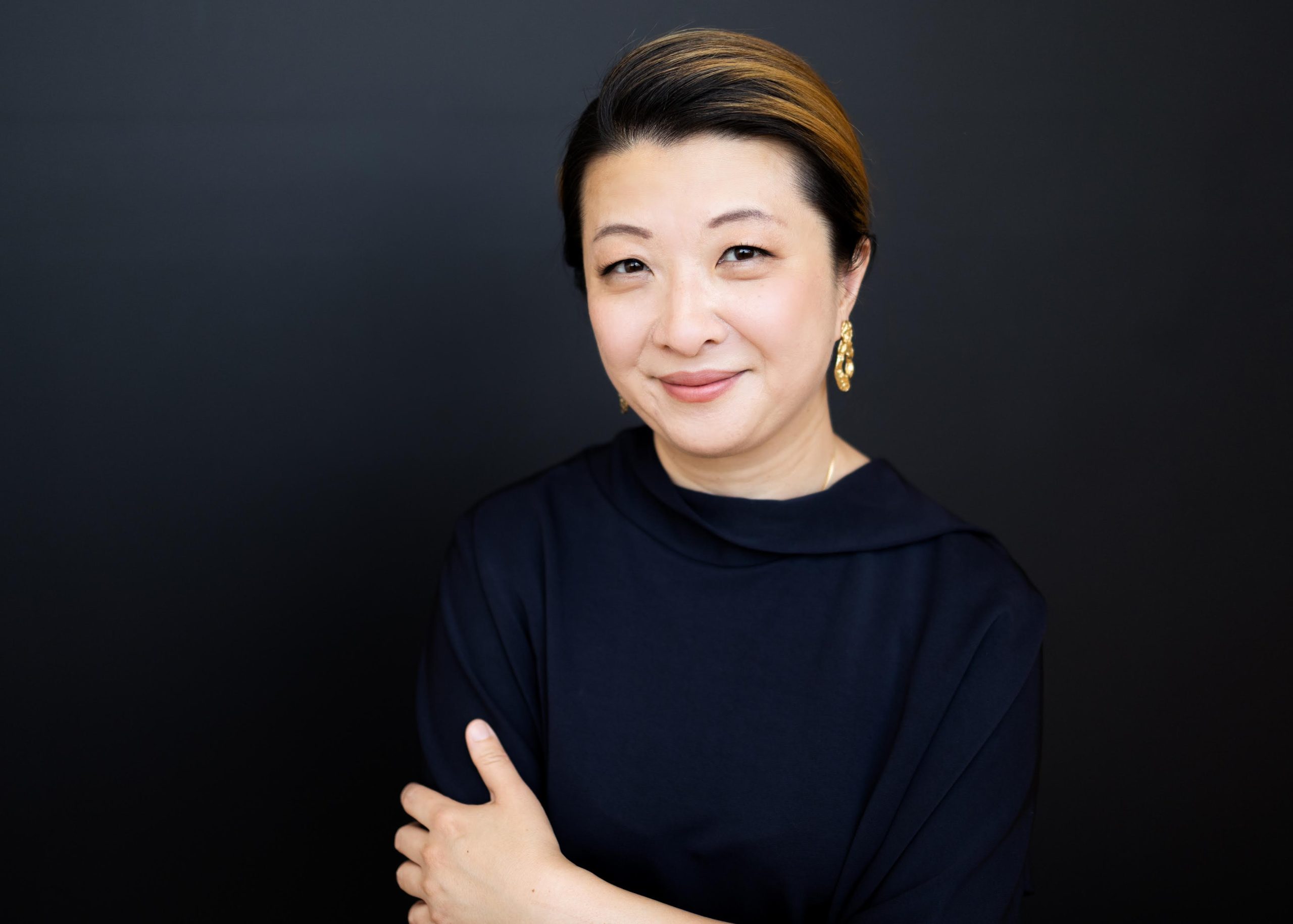 Playing in an established chamber group is all about routine and slow, gradual progress. There’s something comforting about playing with the same people over and over again, familiarizing yourself with their style and quirks. But sometimes, temporary chamber groups — perhaps formed for one concert only — can inject some extra fun and excitement. On Sunday, February 19, two generations of musicians shared the stage at St. Wendelin Church as Arts Renaissance Tremont presented a program of Schumann and Brahms.
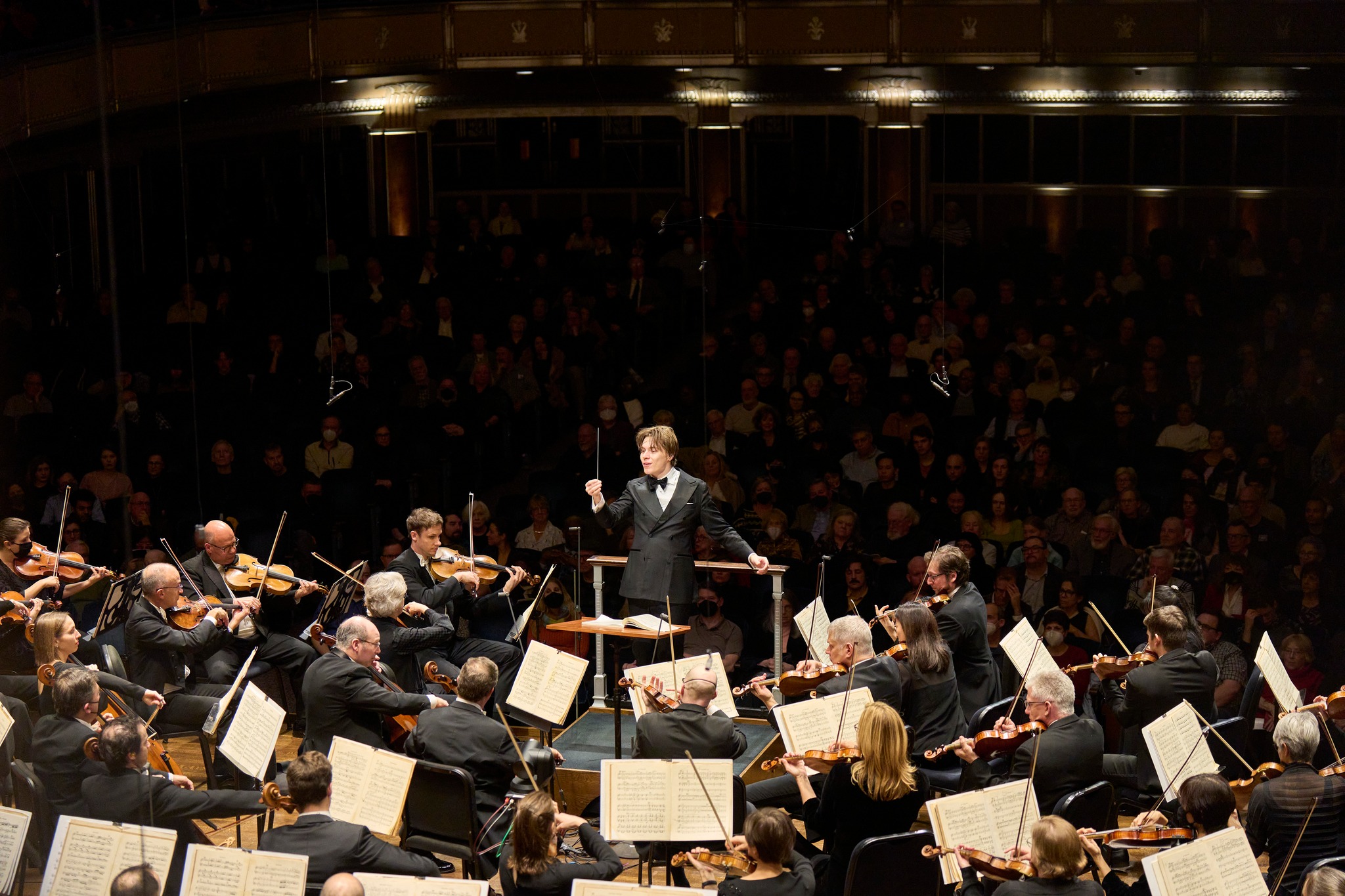 On February 9, concertgoers approaching Severance Music Center likely noticed the dramatic lighting choices — the building had been lit up in a deep red. With Mahler’s Fifth Symphony on the program, it felt fitting. The composer’s intense and passionate works are popular with both musicians and audiences, and an unsurprisingly crowded house packed Mandel Concert Hall for the occasion. Not only was the music guaranteed to generate interest, but so was the conductor: young Finnish phenom Klaus Mäkelä, in his second consecutive week this season with The Cleveland Orchestra.
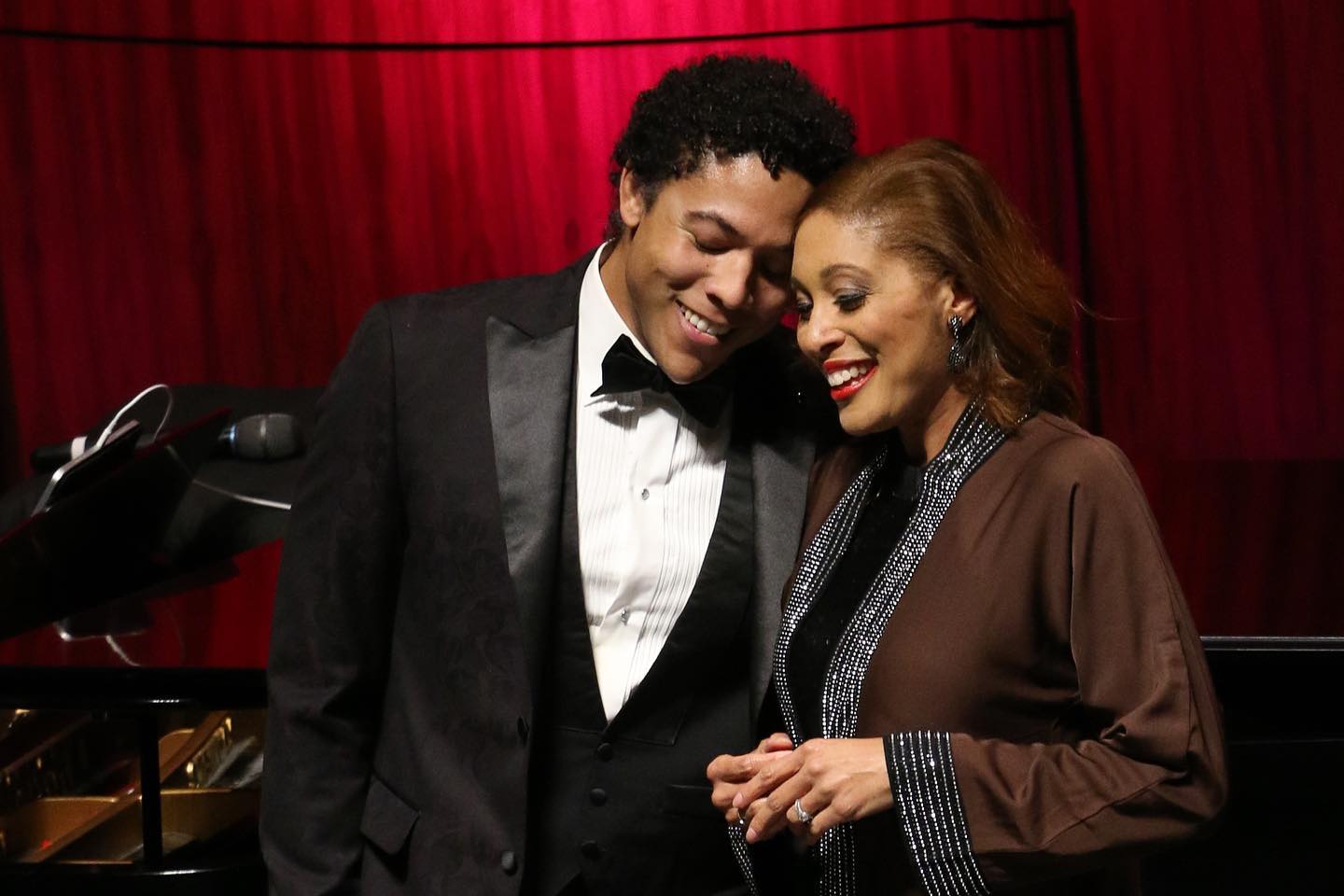 At first glance, the sheer number of pieces on the program for “Our Song, Our Story” looked a little intimidating. The concert, which was presented by Tuesday Musical and traced the musical output of Black Americans, offered listeners all kinds of categories: spiritual songs, opera, and lieder, just to name a few. But on February 2, what was printed on the paper was more of a guide for the performers to pick-and-choose, letting them present their songs, their way.
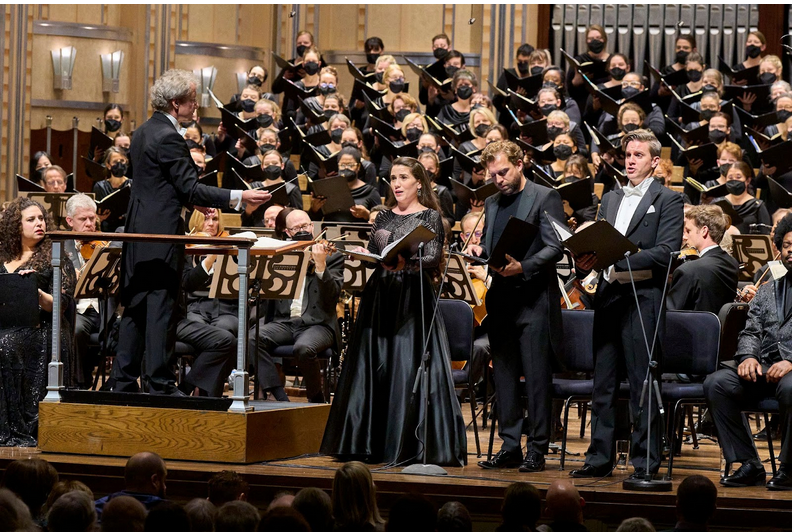 Perhaps Franz Schubert’s Symphony No. 8 is more complete than its “Unfinished” moniker implies. After all, the composer wrote and orchestrated two full movements, creating a kind of standalone half-symphony. But Severance Music Center audiences heard this work in a new way on January 13, when The Cleveland Orchestra and Franz Welser-Möst interlaced Schubert’s two memorable movements with an unexpected partner: Alban Berg’s Three Pieces from Lyric Suite.