



by Stephanie Manning
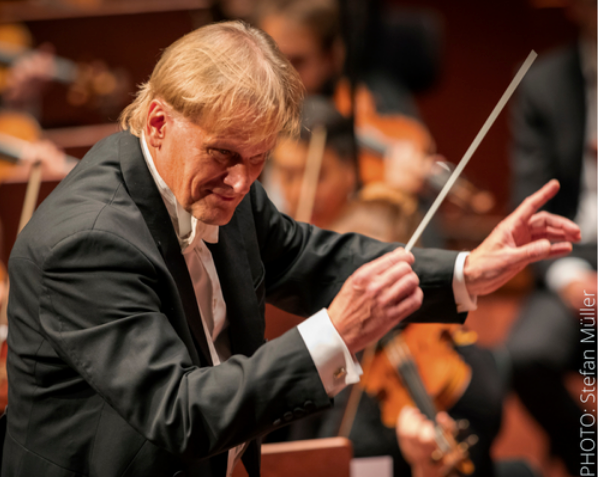 “Colors,” the theme for CityMusic Cleveland’s current season, seemed a particularly apt descriptor for their concert on December 9. While Lakewood Congregational Church was decorated in holiday greenery, the musicians inside forewent traditional black attire for shades of festive red. But those two colors weren’t the only ones in play. Led by principal guest conductor Stefan Willich, the Chamber Orchestra provided all kinds of vivid imagery in the second program of their 19th season.
With its policy of free admission, CityMusic is a prime example of how the price of the ticket doesn’t always correlate to the quality of the performance. The centerpiece of the program, Mozart’s Symphony No. 4 in g, proved the group particularly apt in the style of the Classical composer. Aided by clean and precise phrasing, the group gave off the rich sound of a larger ensemble. [Read more…]
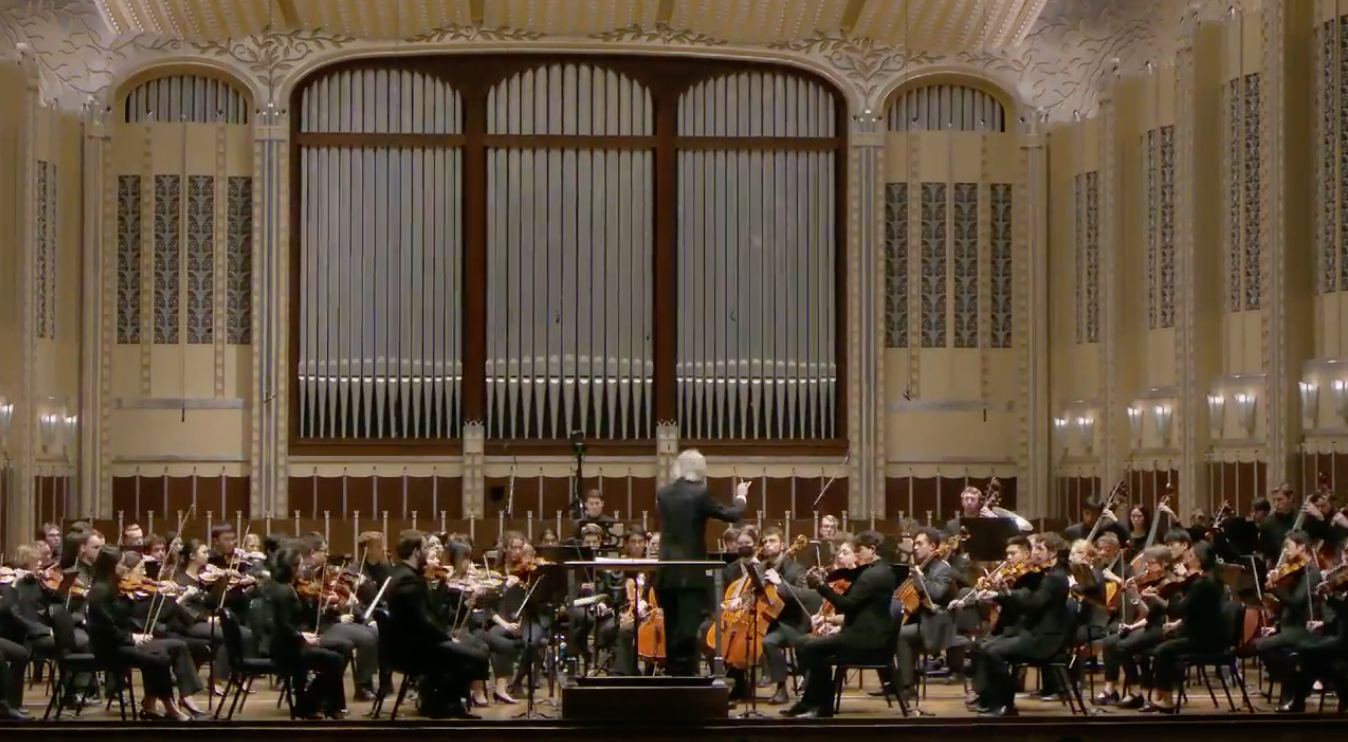 Change has been in the air at the Cleveland Institute of Music this year. After officially celebrating its centennial (delayed by the pandemic) in September, the CIM Orchestra returned to Severance Music Center on November 22 as part of their recent partnership with The Cleveland Orchestra. Under the direction of Carlos Kalmar — another recent addition to the school — the students gave great energy to their final concert of 2022.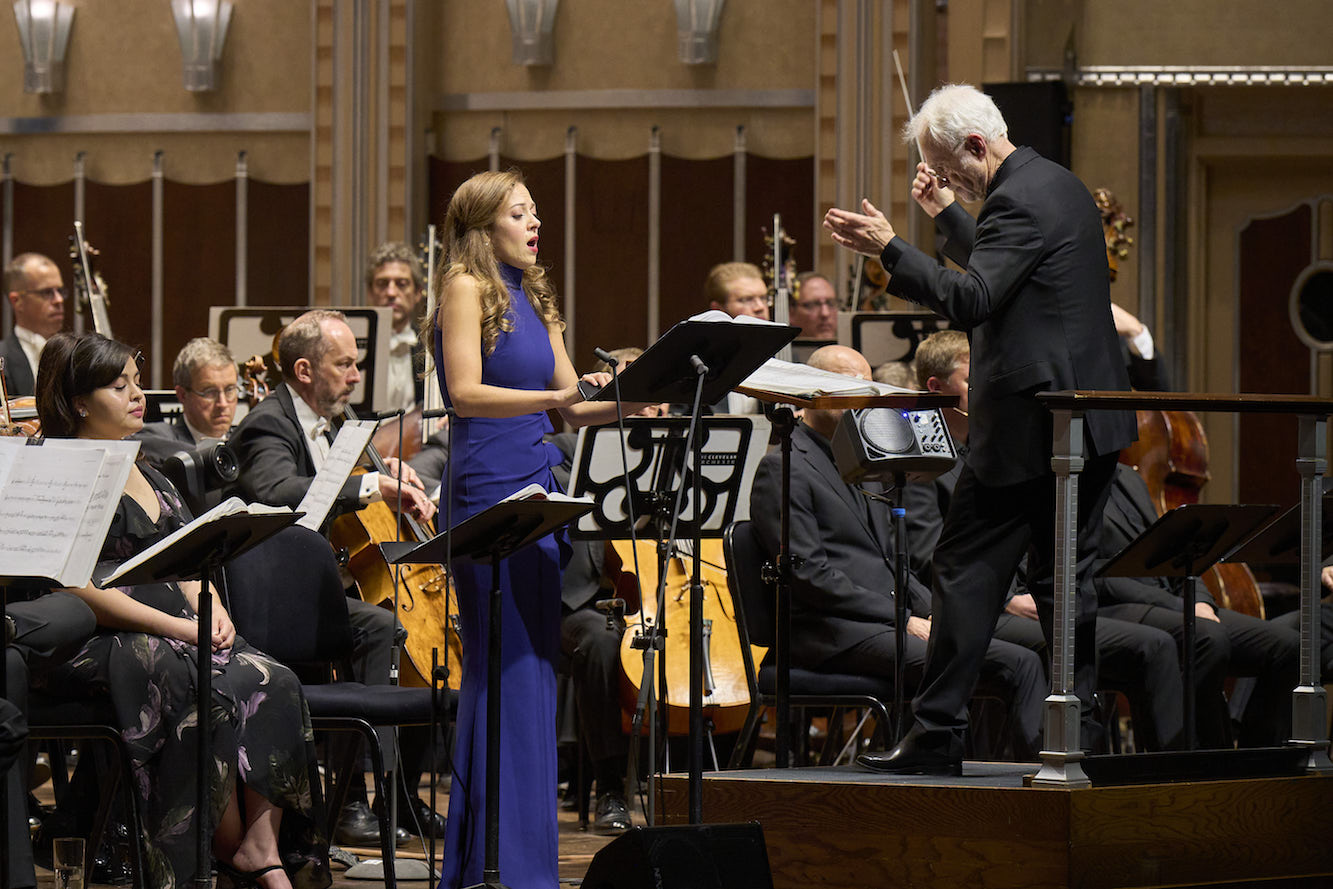
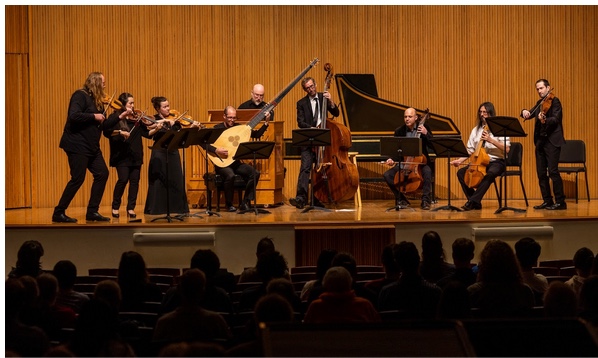 Whatever piece ACRONYM is playing, there’s a good chance you haven’t heard it before. While the ensemble focuses on Baroque music, it’s not from composers the casual listener might know — instead, the group hones in on less-familiar tunes from the 17th century. Some of these pieces haven’t been heard in the 400 years since they were composed, but ACRONYM makes them sound refreshingly contemporary, bringing them to life in stunning splendor.
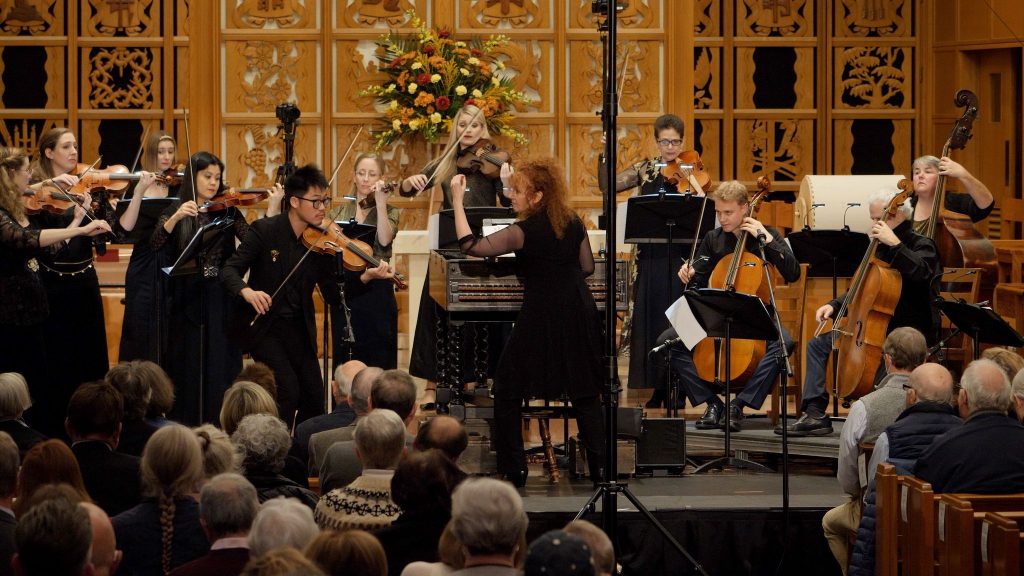 On a recent chilly Sunday in Cleveland Heights, waves of sleet skittered down from the heavens, ricocheting off anything that stood in their way. But the real storm was brewing inside St. Paul’s Episcopal Church, where Apollo’s Fire and director Jeannette Sorrell took the stage for their latest program. “Storms and Tempests” entertained a packed house on November 13, as the Baroque orchestra played up the drama of both nature and love.
 Given the venues that Daniel Emmet is used to performing in, Severance Music Center must have felt like quite the culture shock. The classical crossover vocalist, a 2018 finalist on
 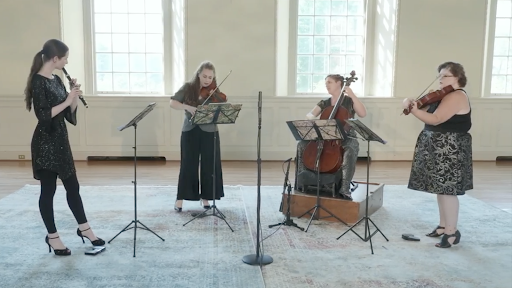 Rarely is there a program title as accurate as Les Délices’ “Winds of Change.” The program embraced the new and different in a variety of ways — referencing both specific events, like the French and Haitian revolutions, and broader ideas, like advocacy for composers of color. Originally presented as an online offering last season, on October 23 the concert proved it was certainly worth hearing live.
 By the time she was a teenager, Bokyung Byun had lived in South Korea, China, and the United States — giving her an international perspective, but also complicating her sense of belonging. And as many musicians do, she grappled with her feelings through music. For her visit to the Cleveland Classical Guitar Society on October 8, Byun brought a program designed around her identity, both as a performer and as a person.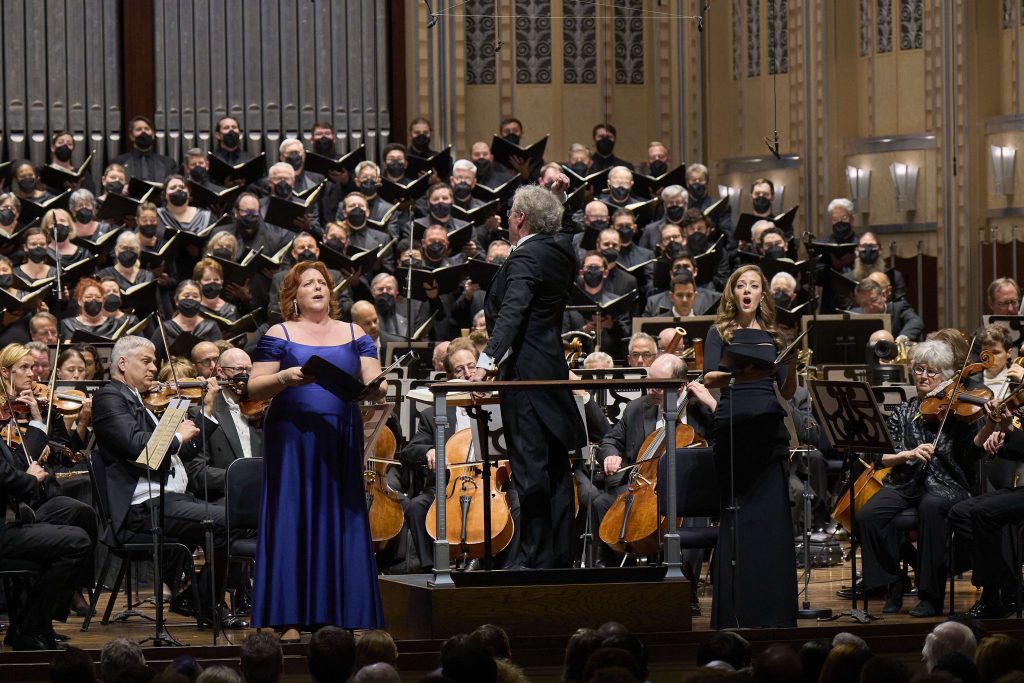
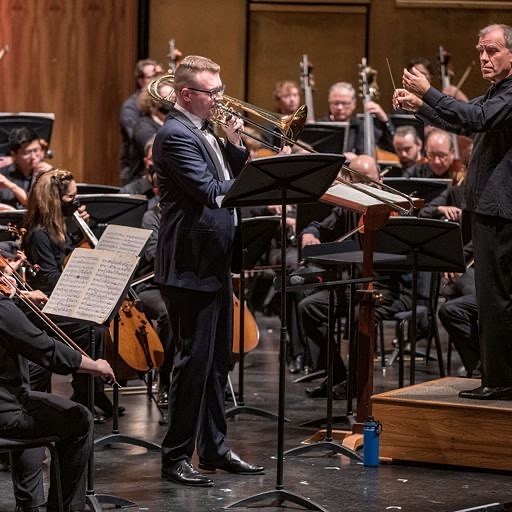 Just before the Akron Symphony string section began a work by Jerod Impichchaachaaha’ Tate on Saturday evening, conductor Christopher Wilkins turned to the audience, raised a document, and began to read. What he had in his hand wasn’t program notes. As a pairing to the work by Tate — a member of the Chickasaw nation — Wilkins read a land acknowledgement for the city of Akron, honoring the Indigenous people to whom the land belongs.