by Mike Telin
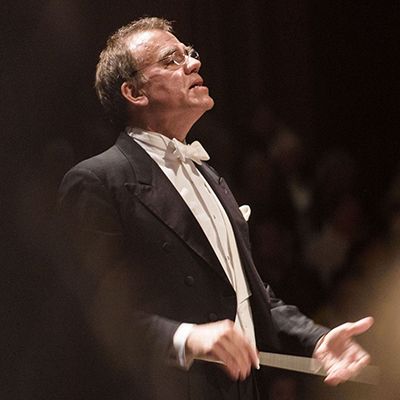
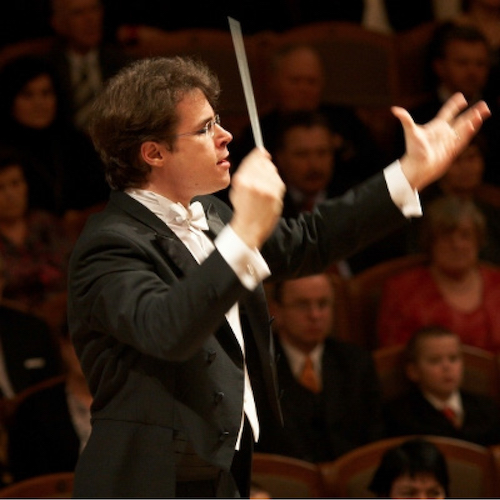 When Czech conductor Jakub Hrůša makes his annual visit to Cleveland, audiences have come to expect that the concert will include a gem that is rarely, if ever, performed at Severance Hall. His past programs have included Martinů’s Parables, Dvořák’s The Golden Spinning Wheel, Janáček’s Jealousy, and Suk’s Asrael Symphony.
On Thursday, November 15 at 7:30 pm, Hrůša will keep that tradition alive when he leads The Cleveland Orchestra in Miloslav Kabeláč’s Mystery of Time. “I think he is the most important symphonist of 20th-century Czech music after Martinů,” the conductor said during a telephone interview. The concert will also include Stravinsky’s Capriccio (for piano and orchestra) featuring Emanuel Ax, and Shostakovich’s Symphony No. 5. The program will be repeated on Saturday, November 17 at 8:00 pm, and Sunday November 18 at 3:00 pm. Tickets are available online.
Hrůša noted that the lineage of Czech symphonic composers begins with Dvořák, whom he called the “founder” of that repertoire. “Then you have Smetana, who was not interested in the symphony but wrote symphonic poems. After that is [Zdeněk] Fibich, then Janáček — who never wrote a symphony, then Martinů with his six symphonies. There is always the question of who is next.”
 “Verdi and Wagner together represent the pinnacle of the high Romantic age in music, and both were masters of drama,” Akron Symphony music director Christopher Wilkins says in a
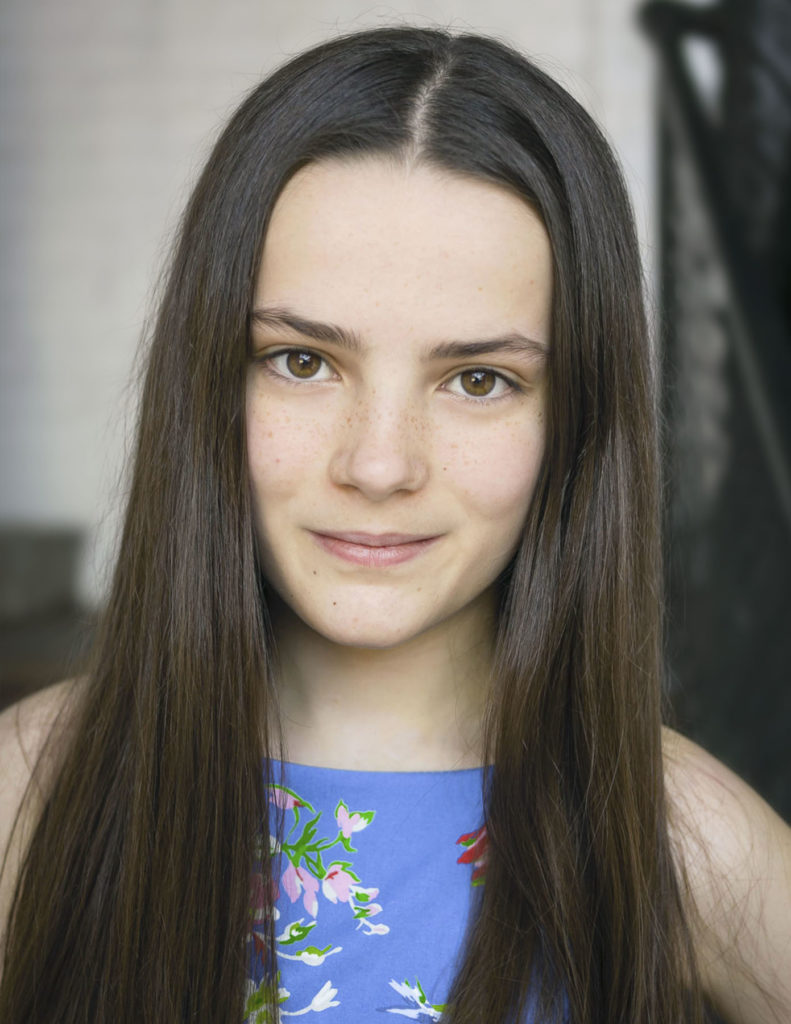 There are certain people in the world who amaze you with how deeply they feel about what they do. After my recent telephone conversation with fourteen-year-old violinist Célina Béthoux, I can say that she’s one of them.

 Last week, the conductor Matthias Pintscher led The Cleveland Orchestra in works by Rachmaninoff and Bartók. This week, music by the
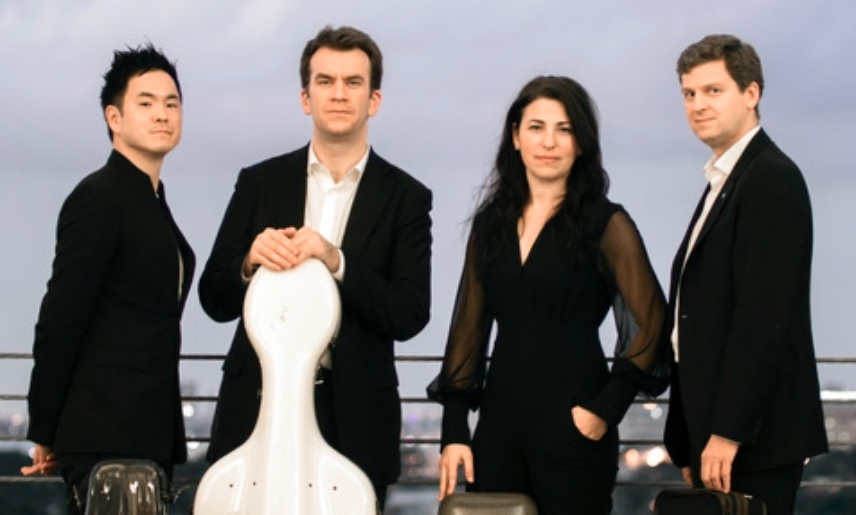 The Cleveland Chamber Music Society will continue its season on Tuesday, November 13 when they welcome the Ehnes Quartet — James Ehnes and Amy Schwartz Moretti, violins, Richard O’Neill, viola, and Edward Arron, cello.