by Lilyanna D’Amato
 In November, 1943, composer Florence Price began a letter to Boston Symphony conductor Serge Koussevitzky with a painful admission: “to begin with, I have two handicaps — those of sex and race. I am a woman; and I have some Negro blood in my veins.”
Acutely aware of the classical tradition’s discriminatory leanings, Price was direct. She desperately needed Koussevitzky to program her compositions. The work of a woman composer is predetermined, she said, “to be light, froth, lacking in depth, logic and virility… add to that the incident of race — and I hope you will understand some of the difficulties that confront one in such a position.”
At that point in her career, she had already achieved unprecedented success. The first-prize winner of the 1932 Wanamaker music contest and the first Black female composer to have a symphony performed by a major American orchestra, she was a distinguished member of the Black intelligentsia, fraternizing with the likes of W.E.B. Dubois, Langston Hughes, and Paul Laurence Dunbar. She had received national acclaim for her nearly faultless virtuosity, and yet, she never heard back from Koussevitzky. [Read more…]

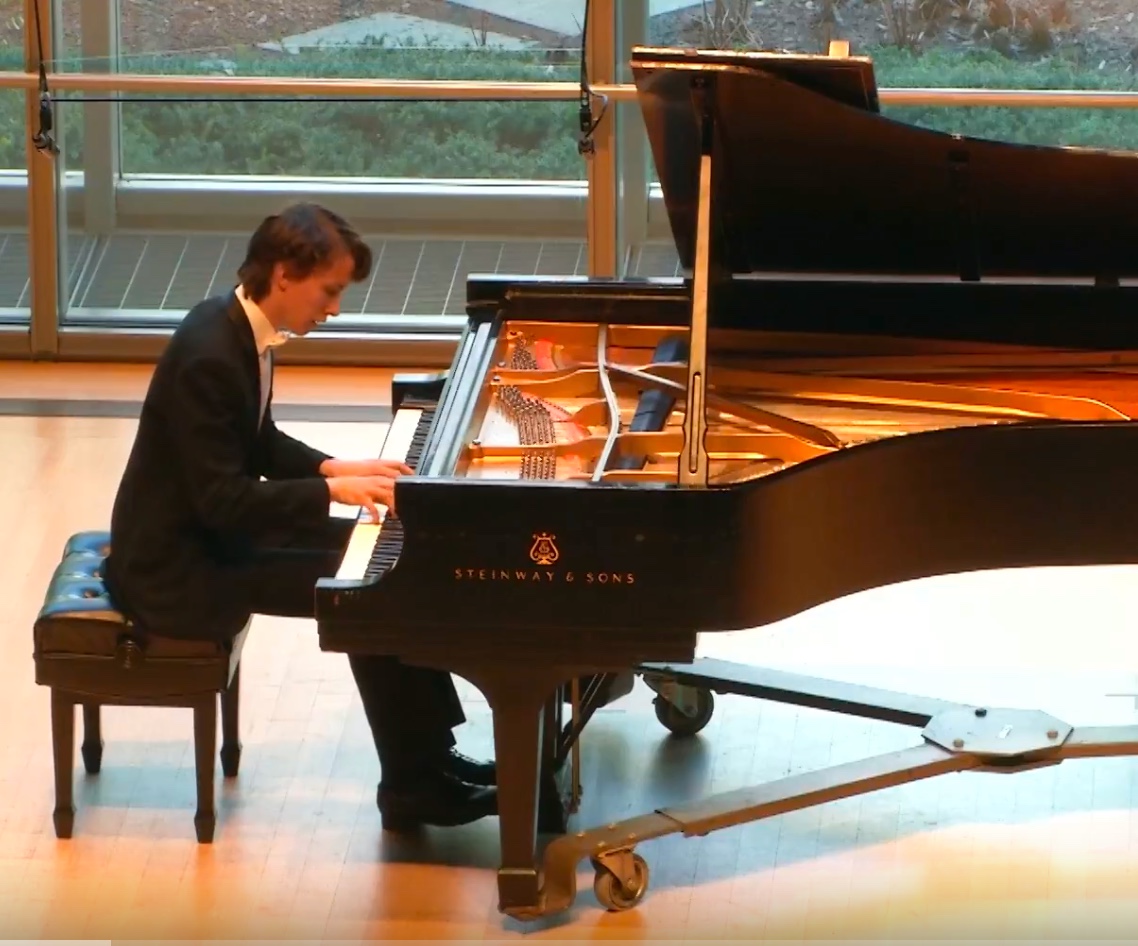

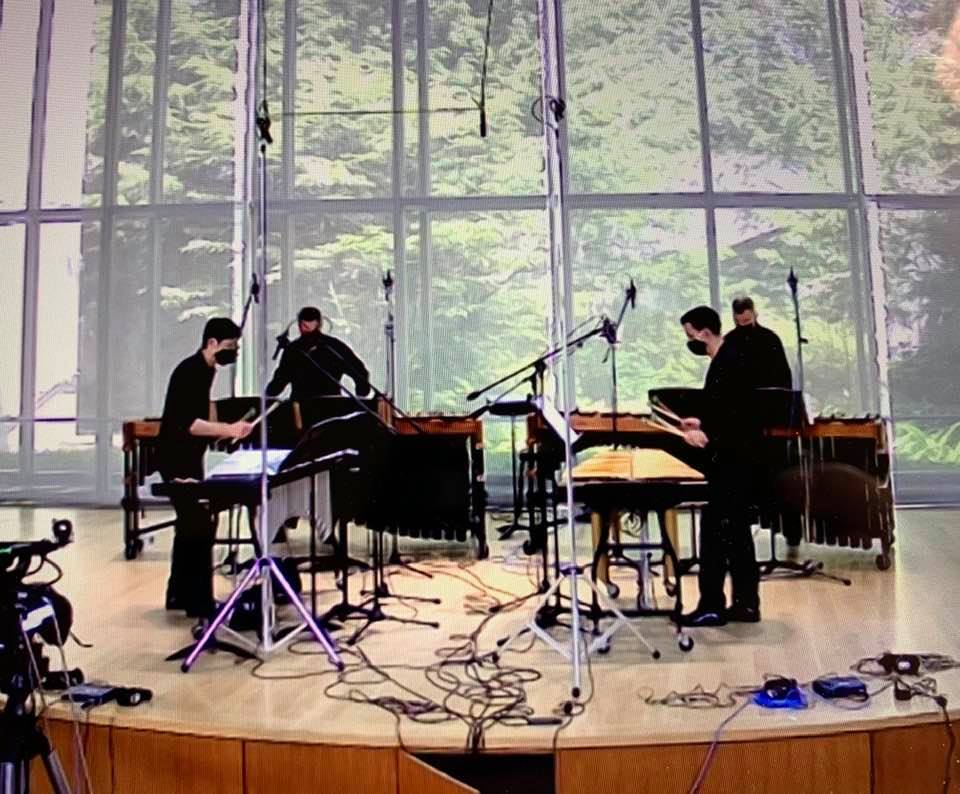
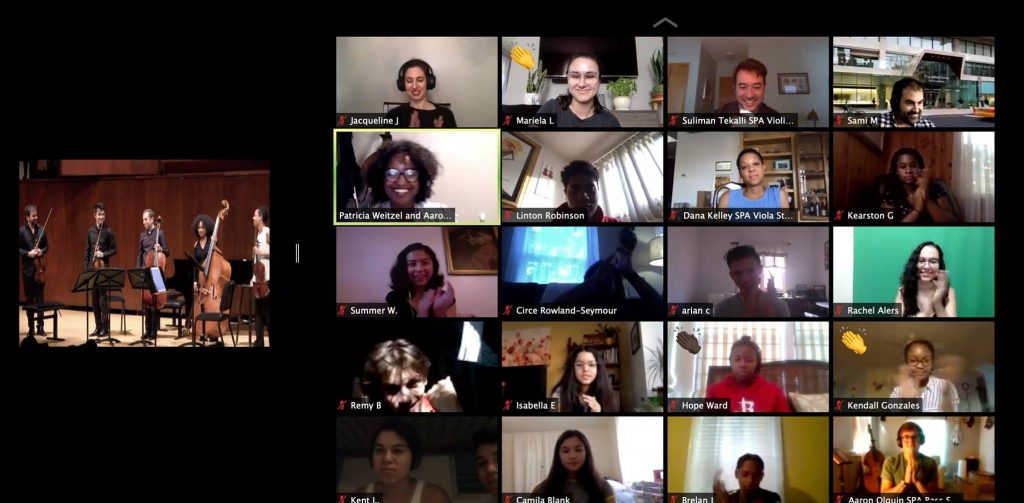 If there’s one classical music festival that best represents this particular moment in time, it might be the Sphinx Performance Academy. Not only does it focus on cultural diversity, and not only has it shifted online this summer due to the coronavirus pandemic, but it has also taken on a new dimension amidst the movement for racial justice sparked by the death of George Floyd.