by Stephanie Manning
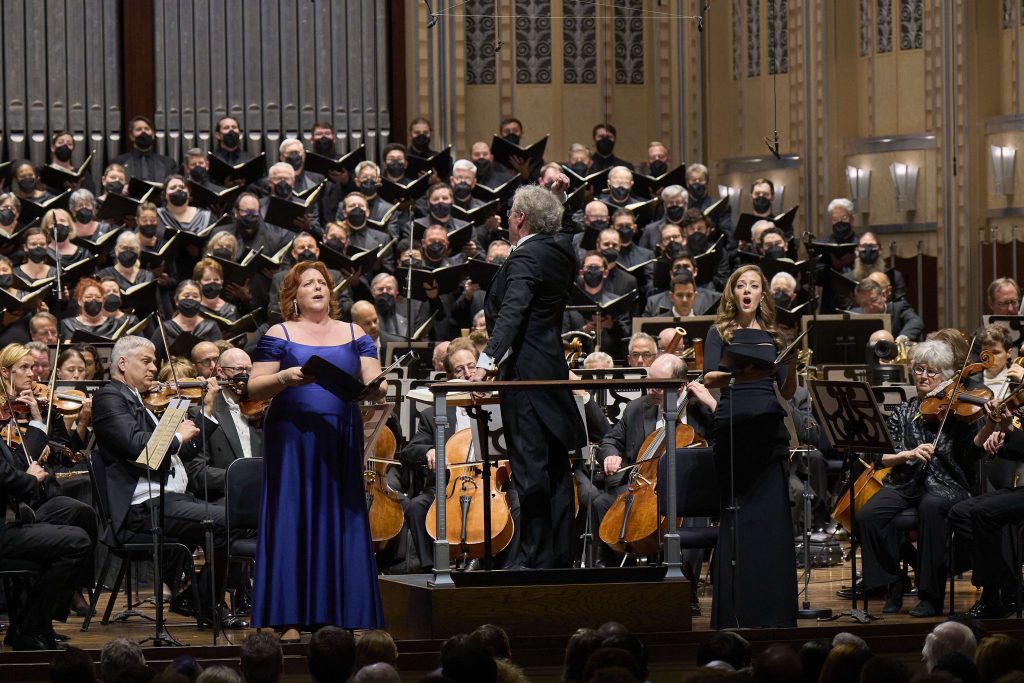
 Given the venues that Daniel Emmet is used to performing in, Severance Music Center must have felt like quite the culture shock. The classical crossover vocalist, a 2018 finalist on America’s Got Talent, has entertained crowds at places like Caesars Palace, Staples Center, and Angels Stadium. But that didn’t mean that Emmet was any less excited for his appearance on November 5 — quite the contrary.
“Hello, Cleveland!” he announced with a wide grin. “I’ve been waiting many years to say that.” Together with the Cleveland Pops Orchestra, the operatically-trained tenor delivered a memorable, genre-crossing evening of music.
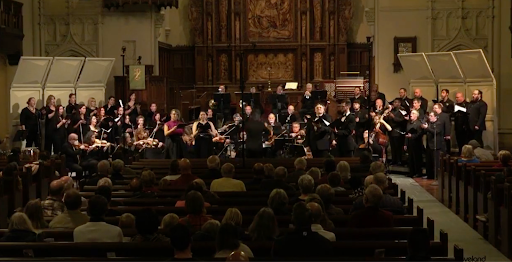 Wonderful things can happen when two accomplished ensembles collaborate. Such was the case on Saturday, October 8, when the Cleveland Chamber Choir and the BlueWater Chamber Orchestra joined forces at the Church of the Covenant in a program titled “Heaven and Earth.” The result was spectacular.
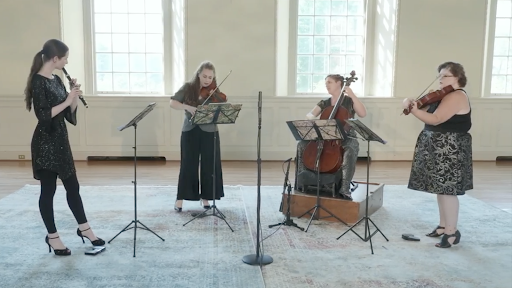 Rarely is there a program title as accurate as Les Délices’ “Winds of Change.” The program embraced the new and different in a variety of ways — referencing both specific events, like the French and Haitian revolutions, and broader ideas, like advocacy for composers of color. Originally presented as an online offering last season, on October 23 the concert proved it was certainly worth hearing live.
 By the time she was a teenager, Bokyung Byun had lived in South Korea, China, and the United States — giving her an international perspective, but also complicating her sense of belonging. And as many musicians do, she grappled with her feelings through music. For her visit to the Cleveland Classical Guitar Society on October 8, Byun brought a program designed around her identity, both as a performer and as a person.

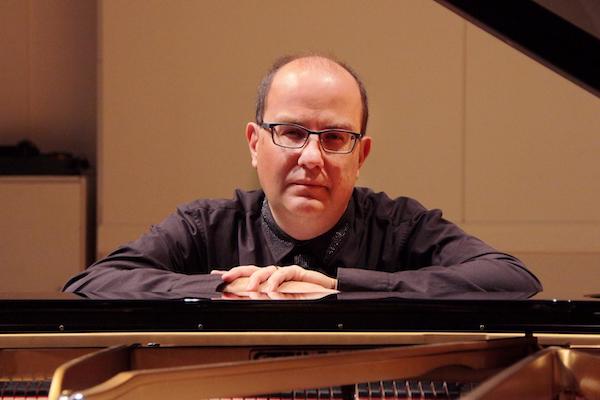 It is the composer George Walker’s centennial this year, and on October 9, pianist Alexandre Dossin — performing in Cleveland for the first time — gave a concert featuring the composer’s work through six decades at the Cleveland Museum of Art’s Gartner Auditorium. The performance was part of the Tri-C Classical Piano series.
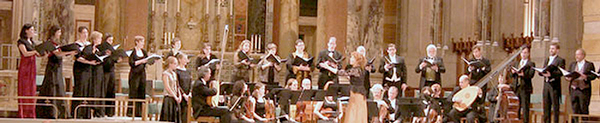 Apollo’s Fire can’t help returning to the music of Claudio Monteverdi. Cleveland’s period orchestra revived its thrilling take on the composer’s
 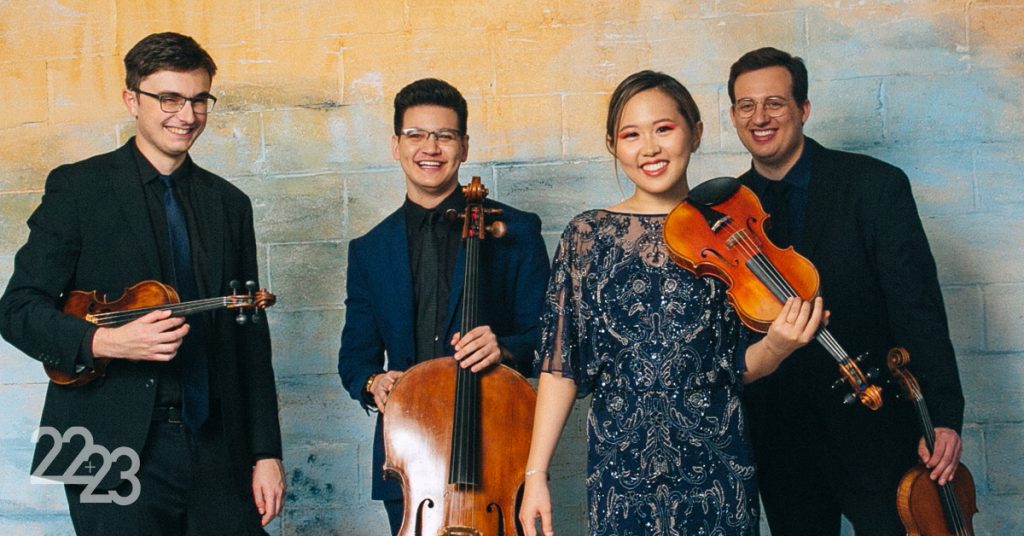 The Rocky River Chamber Music Society opened its 64th season on Monday, September 26 at West Shore Unitarian Universalist Church with a performance that symbolized part of what the organization is all about.