



by Mike Telin
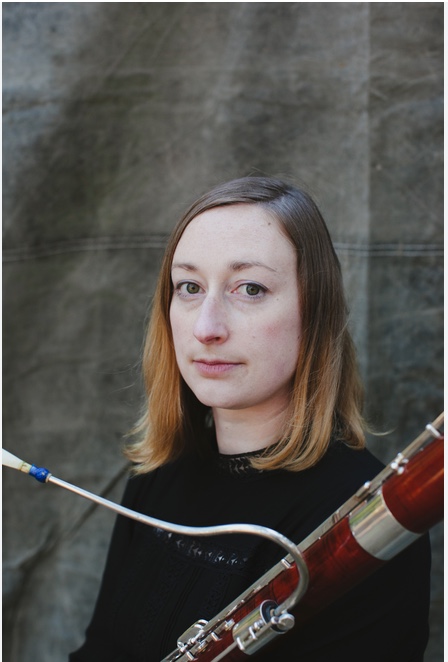 Tonight, October 26, the Cleveland Arts Prize will hold its 63rd annual awards ceremony at the Cleveland Museum of Art. The CAP promotes creativity in Northeast Ohio by honoring artists for artistic excellence and recognizing community leaders who help arts flourish in the region.
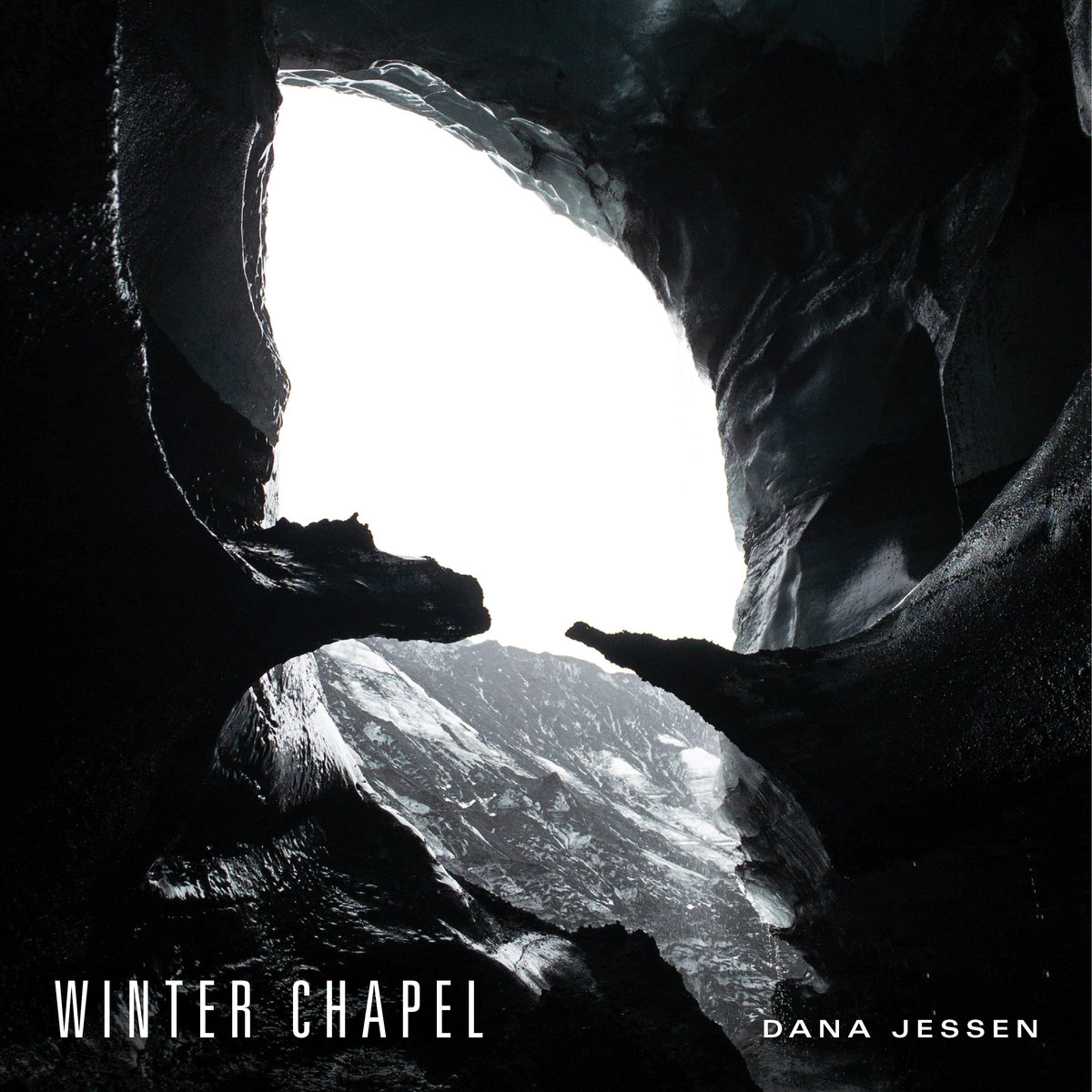
Among the list of distinguished recipients is Dana Jessen, who will receive a mid-career artist prize for music. Jessen is a trailblazer in the world of new and improvised music. Hailed as a “bassoon virtuoso” (Chicago Reader), she is the recipient of a Fulbright Fellowship and a Huygens Fellowship. In addition to her active solo career, her resume includes world premiere performances with the San Francisco Contemporary Music Players, Alarm Will Sound, Ensemble Dal Niente, Anthony Braxton’s Tri-Centric Orchestra, S.E.M. Ensemble, and the Amsterdam Contemporary Ensemble. As an educator she serves as Associate Professor of Contemporary Music and Improvisation at the Oberlin Conservatory of Music.
I caught up with Dana Jessen by phone and began our conversation by congratulating her.
Dana Jessen: Thank you. I am incredibly honored. I was telling somebody that it felt like the Cleveland Arts Prize was actually looking at all of the things that I do. It’s not just that I’m a bassoonist, but that I also write my own pieces, I play with electronics, and I improvise. I also interpret pieces that I’ve commissioned. And I teach. So it’s very humbling to be seen for the entirety of what I do as opposed to one thing or the other.
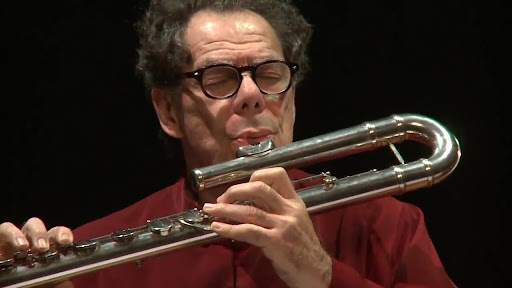 “Creativity is the expression of life, so for me the question is why on earth would you not be creative? Why on earth would you not want to grow?” flutist, composer, improviser, author, teacher, and inventor Robert Dick said during a recent telephone interview. A leader in contemporary flute music, he has redefined the instrument’s musical possibilities.
  Improvisation: the act of creating something without preparation.
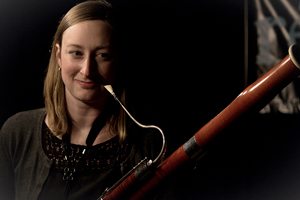 The act of improvisation — creating a piece of music on the spot — is difficult to describe. “This type of music is not easy to talk about,” bassoonist, improviser, and educator Dana Jessen said during a recent telephone conversation. “There are some improvisers that don’t want to talk about their approach to the process because it feels a little less tangible than other musical genres.”
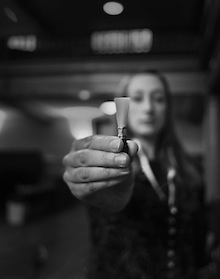 A co-founder of Splinter Reeds, a San Francisco-based reed quintet, improviser and educator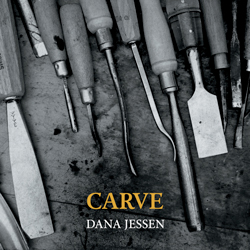
 How do you depict grief? The most personal emotion next to love, it seems incommunicable. Its particularity grows out of a unique relationship between the aggrieved and the one who is lost; no one else can understand the complexities of that tie or the feelings engendered by its severing.
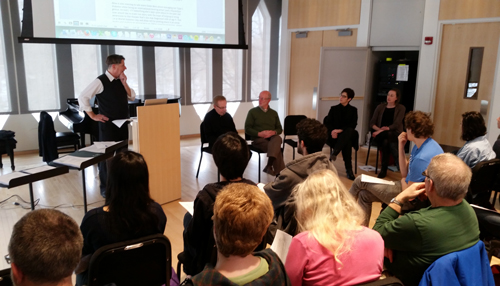 January has been all about chamber music at Oberlin. On Friday, January 23 in Stull Recital Hall, the school gave a taste of the media side of the field with the help of three Cleveland-based music critics, also Oberlin faculty members: Mike Telin and Daniel Hathaway serve as editors of ClevelandClassical.com, while Donald Rosenberg is editor of Early Music America magazine and former chief music critic at The Plain Dealer.