by Daniel Hathaway
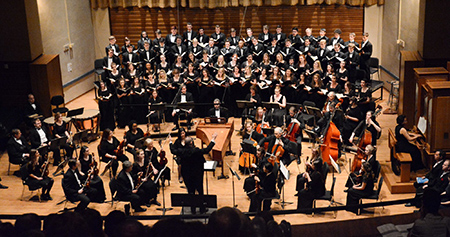
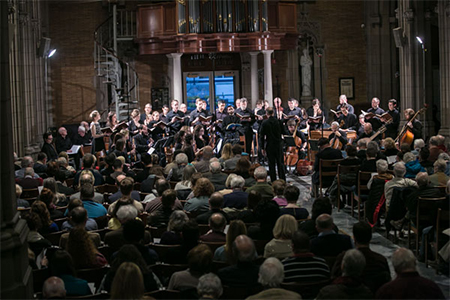
 Trinity Cathedral will resume its Wednesday programming on October 6, including the Noontime Brownbag Concerts and 6:00 pm Choral Evensong services, with some modifications that reflect the current state of the pandemic.
“It’s a different chapter of unusualness,” music director Todd Wilson said in a telephone conversation. Rather than offering the popular lunchtime concerts every week, Trinity will host the performances twice a month.
“We settled into the every-other-week Brownbag Concert format last year, and I’m guessing that live audiences are going to be coming back rather slowly. It seemed to make sense to continue that pattern for the foreseeable future. My hope is that a year from now we’ll be in a much more normal and easy-to-predict place,” Wilson said.
Patrons who attend the Wednesday noon programs in person will find some new protocols in place. “We’ll be doing low-key check-ins with proof of vaccination, and no lunches will be permitted. Sad stuff, but we’re not even allowed to serve coffee after church right now.” The alternative is to attend online, and all of Trinity’s programs will be live streamed. [Read more…]
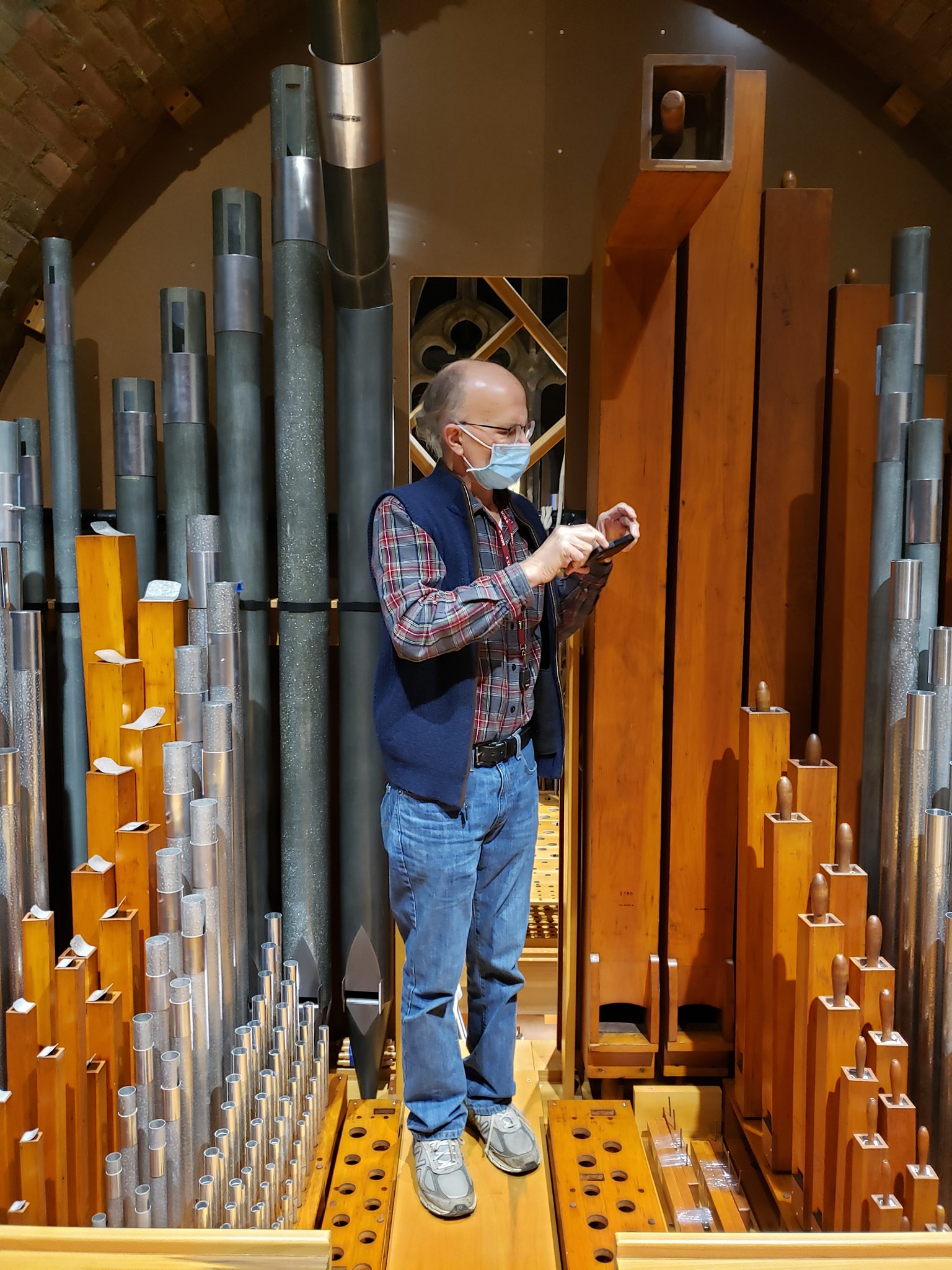 When three trucks from Croton, Ohio’s Muller Organ Company pulled up to Trinity Cathedral in downtown Cleveland on January 11, the Cathedral’s history of distinguished pipe organs opened a new chapter.
 That 1907 organ, Skinner’s Opus 140, served the Cathedral and its organist-choirmaster, Edwin Arthur Kraft (right), until the 1970s, when its outdated mechanism had deteriorated beyond the point of renovation.
 How are you?
 Over the centuries, the music we now gather under the umbrella of the “classical” tradition has had many benefactors and venues. While universities have long incubated modern music and civic concert-presenting organizations have sustained Romanticism, religious institutions dominated patronage from the earliest musical notation through the dawn of the 18th century, and houses of worship often served as concert halls.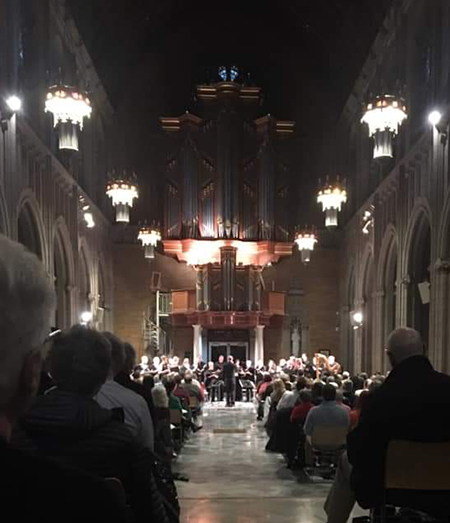
 “We’ve heard this story before,” tenor Matt Jones said during a recent telephone conversation. We had been talking about the cartoon caricature of tennis star Serena Williams that was published in the