by Nicholas Jones
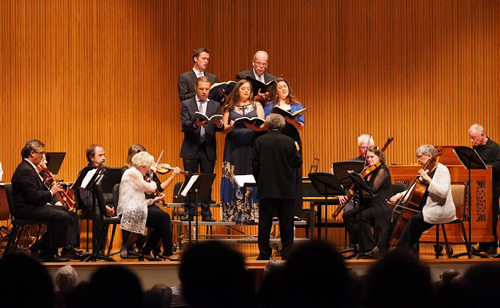
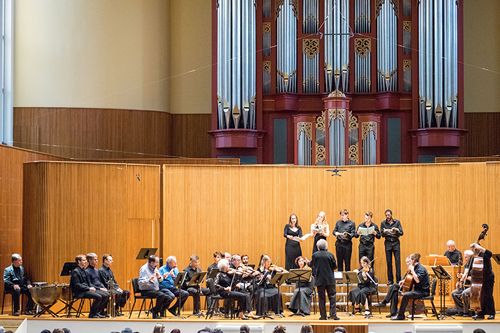 Johann Sebastian Bach’s Mass in B Minor is, to say the least, a daunting work. It’s full of challenging vocal and instrumental parts that seem to venture into every key in the theory book. It’s composed of one complicated counterpoint after another. And like any sung mass, its musical integrity can seem at odds with the liturgical functions of the texts. And it’s long (over two hours). In its recent embodiment at Oberlin’s Baroque Performance Institute (BPI), all of these challenges seemed to disappear. [Read more…]
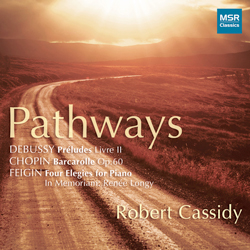 Although composer Claude Debussy rejected the term “impressionism” and referred to music writers who used the term as “fools,” today Debussy’s music is synonymous with the impressionist movement. On his self-titled CD from back in 2012, pianist Robert Cassidy captured the essence of the composer’s music with his performances of the twelve Préludes of Book 1. On his latest recording, Pathways, Cassidy once again demonstrates his affinity for this music with discerning interpretations of the twelve preludes that comprise Debussy’s second book, as well as works by Chopin and Feigin.