
by Stephanie Manning
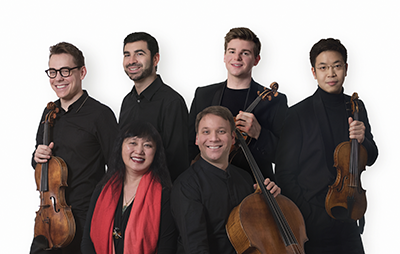
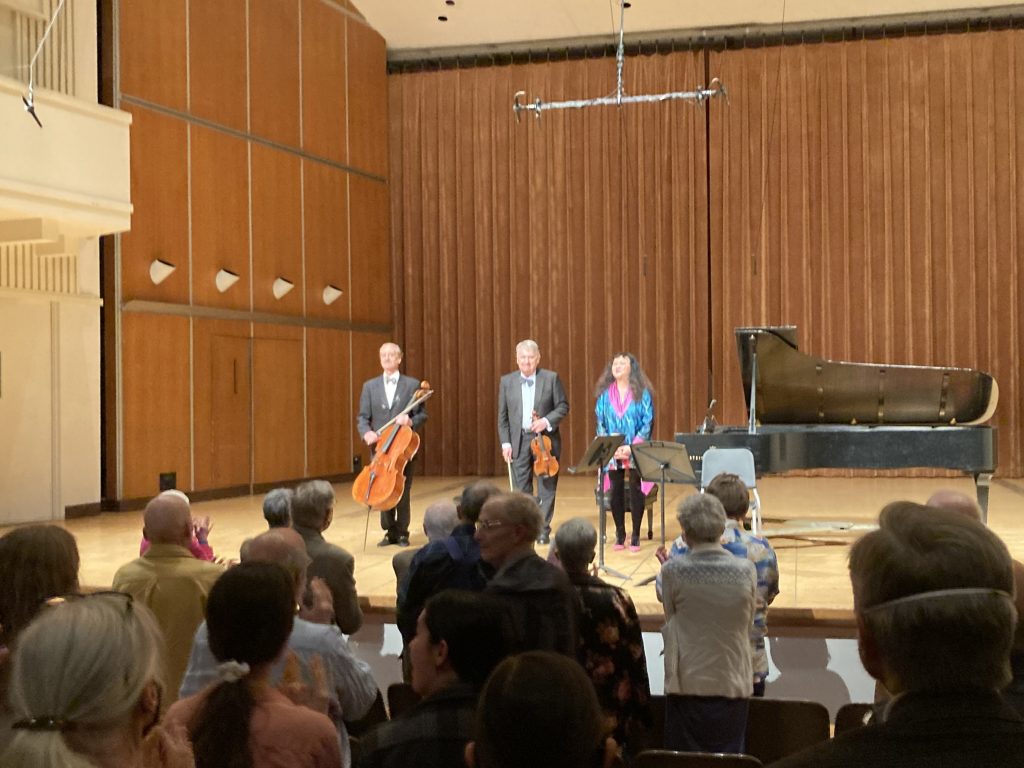 After more than a decade spent together as an ensemble, Wu Han, Philip Setzer, and David Finckel have become very familiar with certain pieces. And they’re determined to make sure those works only get better with age. On September 13, the pianist, violinist, and cellist opened the 73rd season of the Cleveland Chamber Music Society with a staple in their repertory — Franz Schubert’s two piano trios.
The group recorded both pieces for an album in 2008 and have performed them frequently, including in a concert for the Cleveland Chamber Music Society more than ten years ago. After all this time, they still manage to make things feel fresh.
 When you’ve been booking visiting chamber ensembles for seven decades, you develop some special relationships that regularly bring audience favorites back to town.
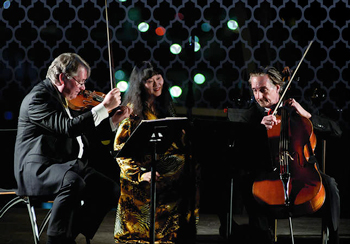 In March of 2010, we interviewed each of the musicians prior to their performance of Schubert trios on the CCMS series at Fairmount Temple Auditorium. We reached David Finckel in Vienna, Wu Han in New York between rehearsals, and spoke with Philip Setzer soon after he returned from Europe.
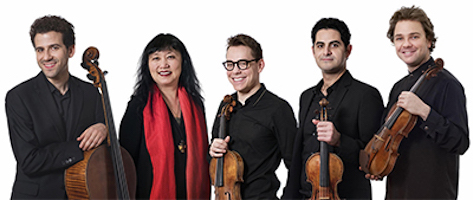 Depending on how presenters and performers discuss it in concerts, music history can be a portal to deeper understanding or a padlock. Especially hazardous is the tracing of artistic lineage. If you talk engagingly about teacher-to-student “family trees,” the concert may gain in vitality and direction. If you list them dryly, you risk making textbook fodder of vibrant art.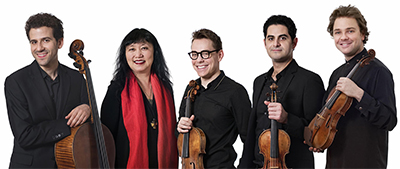
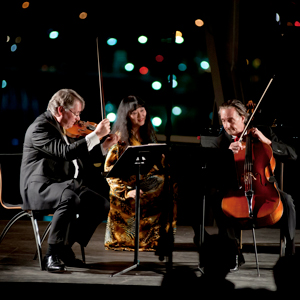 “Beethoven’s six piano trios are important touch points in his development as a composer,” pianist Wu Han said during a telephone conversation. “Hearing all of them is the equivalent of hearing all of the string quartets — not only is it a rich and unusual experience, but you become a different listener.”