

by David Kulma
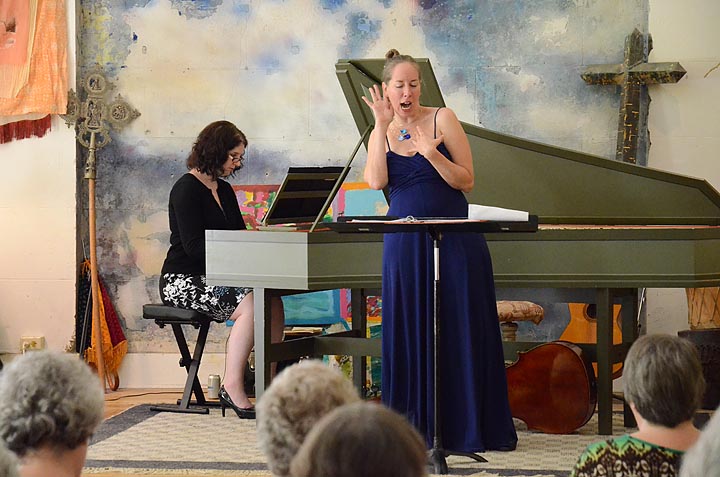 Burning River Baroque’s October 20 performance at St. Alban’s Church in Cleveland Heights was a case study in thoughtfully-programmed, politically-inspired concerts. Titled “Destructive Desires” and framed by informed program notes and remarks, the performance invoked the ongoing #MeToo movement. Soprano and Baroque cellist Malina Rauschenfels and harpsichordist Paula Maust also spoke about their own thoughts and experiences, bringing the feminist slogan “The Personal Is Political” to life.
 When Halloween is on a Wednesday, it’s only right to celebrate it all week,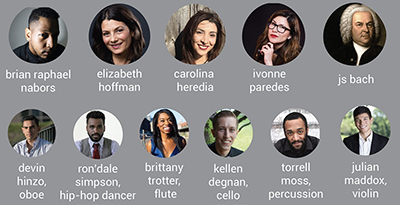
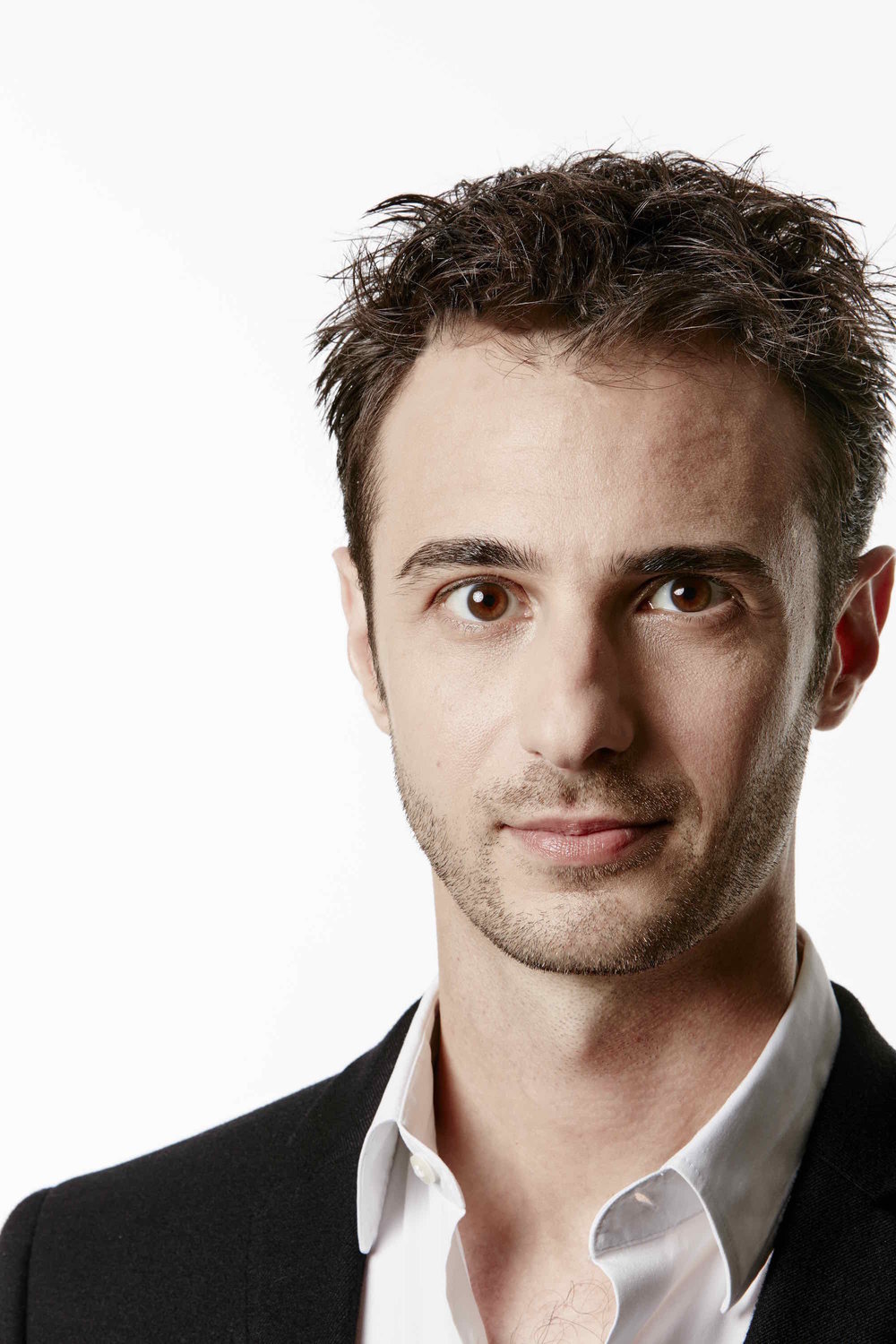
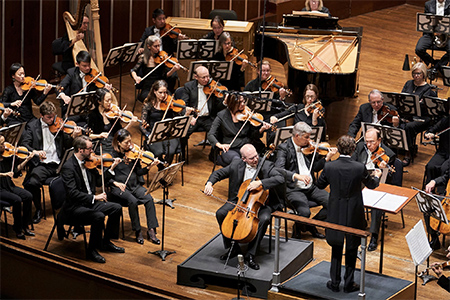 As autumn finally slammed Northeast Ohio with colder temperatures, the Toronto Symphony’s new music director- designate Gustavo Gimeno led The Cleveland Orchestra in a stimulating and shining program for his Severance Hall debut on Friday, October 18. This concert featured an early, ecstatic overture by Samuel Barber, an Alberto Ginastera concerto starring principal cello Mark Kosower, and a melody-drenched warhorse by Nikolai Rimsky-Korsakov.
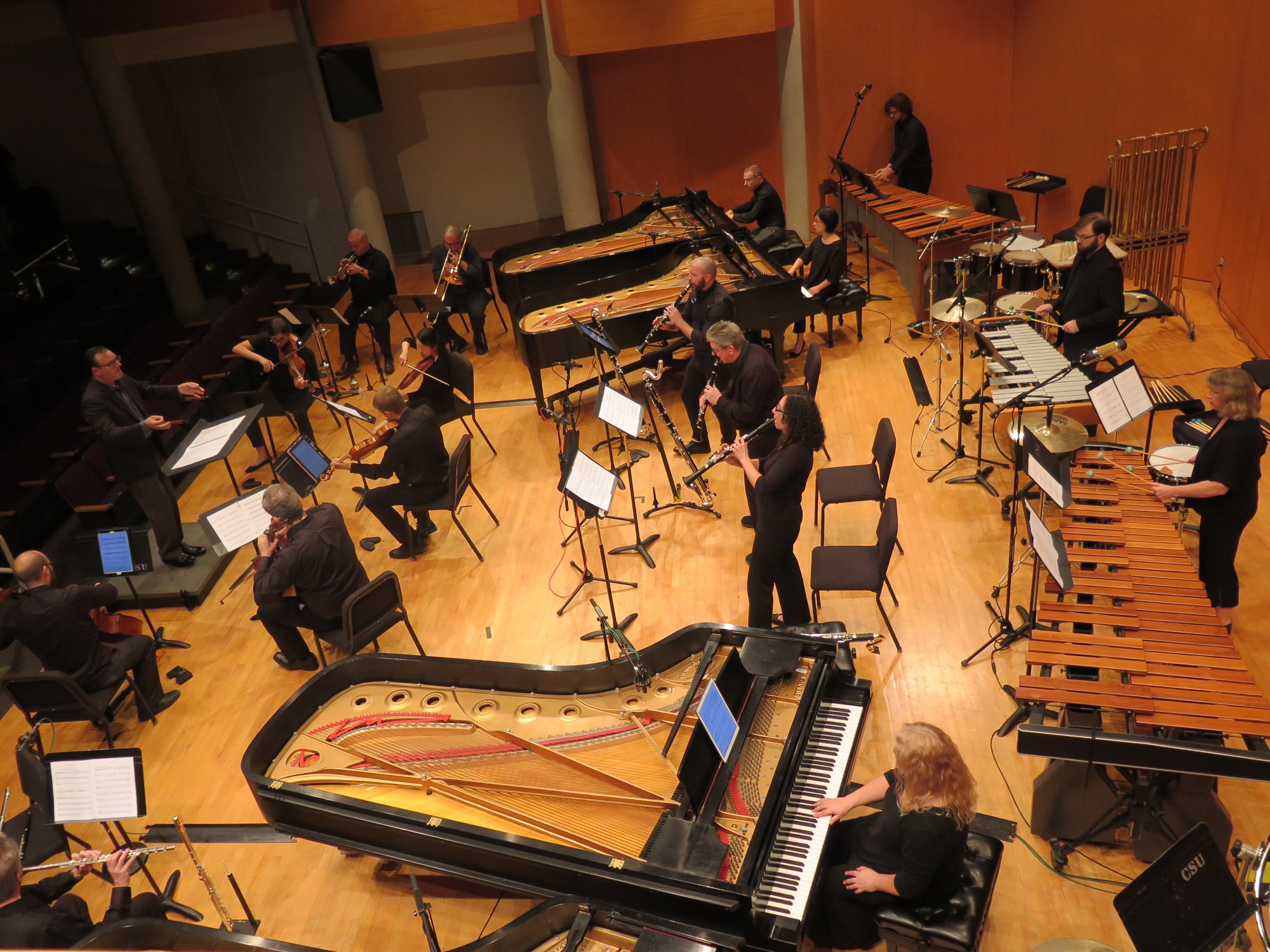 Music can be a powerful tool for the expression of social discourse. Sometimes it is subtle. Other times it is overt and unapologetic. Such was the case with Andrew Rindfleisch’s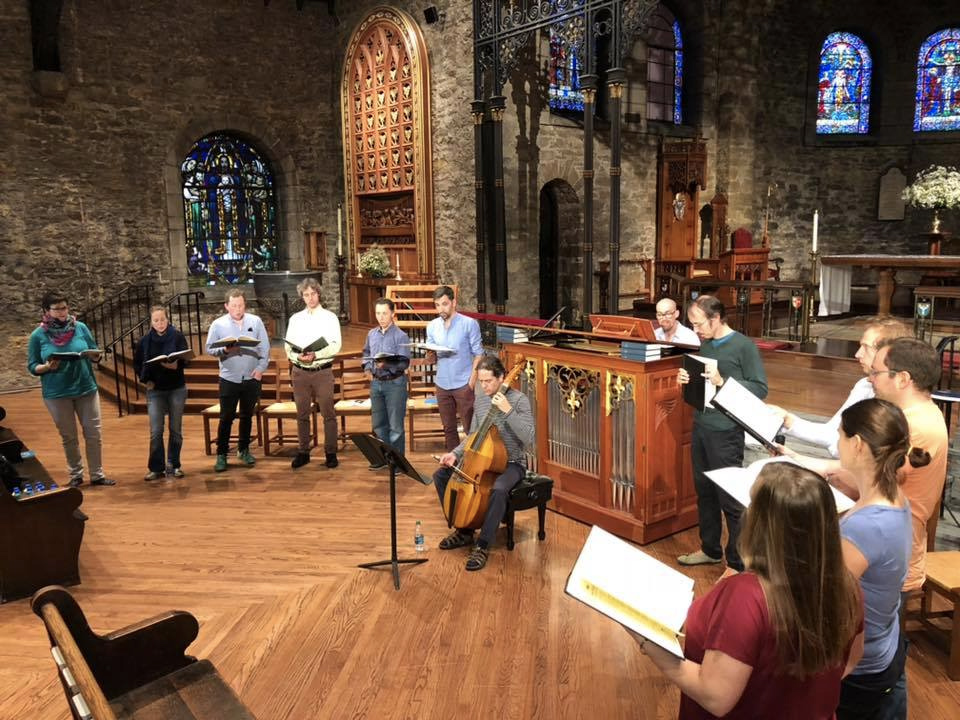
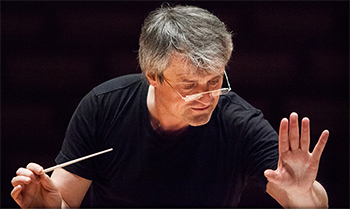 Good things come to those who wait. And when German conductor