

by Stephanie Manning
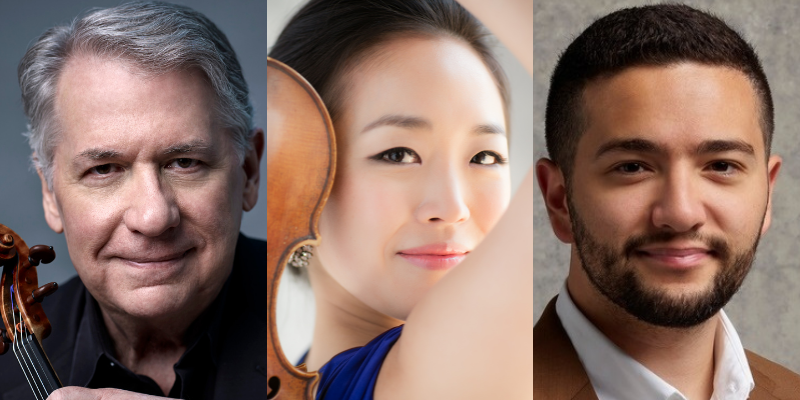
 The evening of July 14 surely felt like a momentous one for the Kent Blossom Music Festival. Just shy of two years since the Festival’s last live, in-person performance, Kulas Visiting Artists Paul Huang and Helen Huang took the stage at Ludwig Recital Hall to open Kent Blossom’s 53rd season. Performing for both an in-person and virtual audience (I heard the live stream), the violinist and pianist dazzled in sonatas by Mendelssohn, Corigliano, Ysaÿe, and Franck.
 TONIGHT IN-PERSON AND ONLINE:

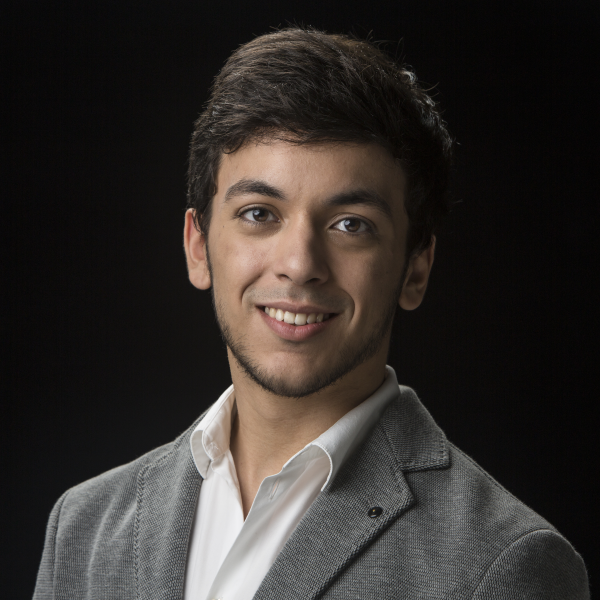 Lucas Thomazinho (25, Brazil) began the second session of the first round with Czerny’s Variations on a Theme by Rode, Op. 33 (“La Ricordanza”), where he impressed with beautiful dynamic contrasts. He played with a fluidity that served him well over the five variations, shifting gracefully between the gentler moments to quick and light passages.
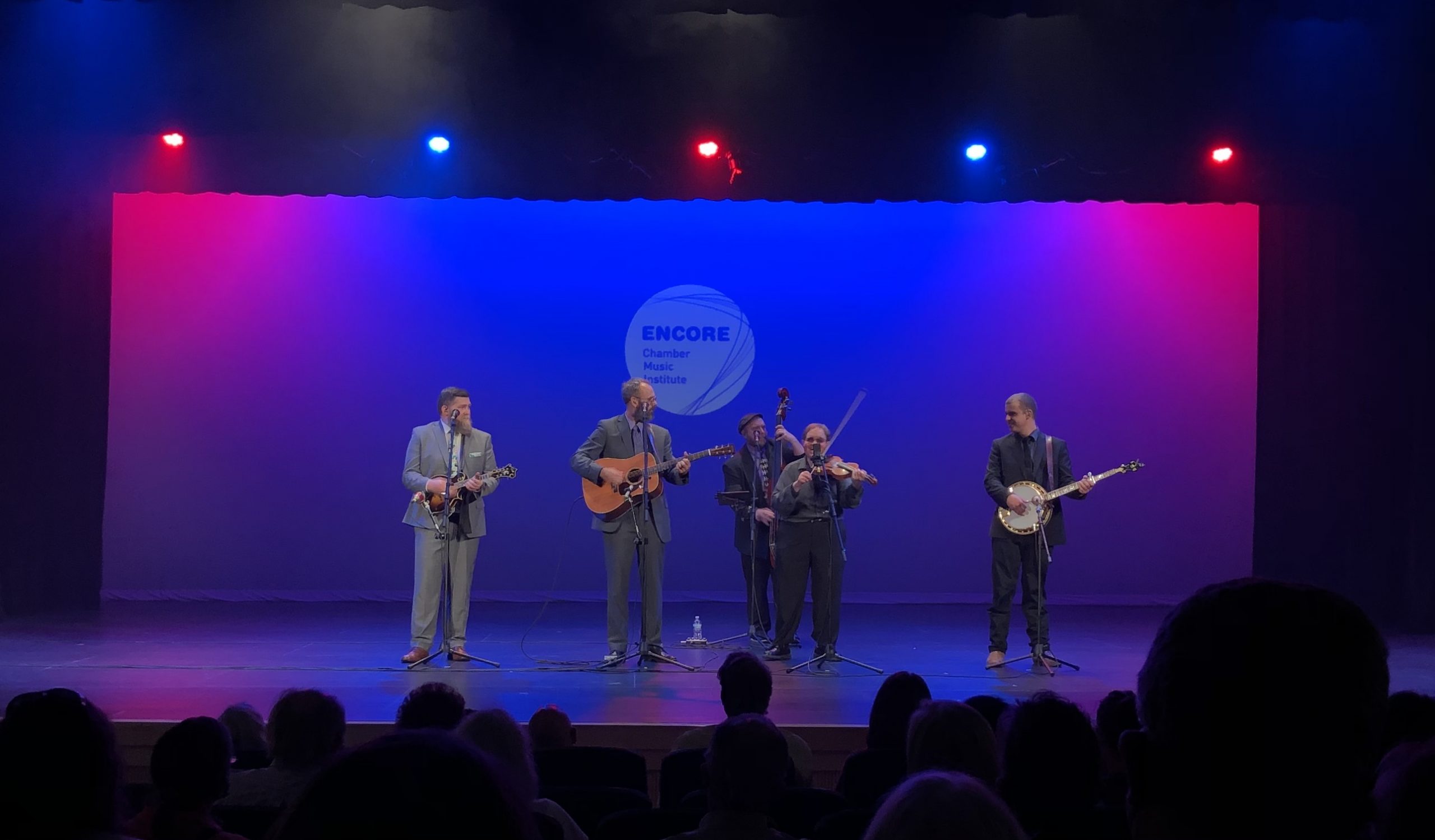 In a typical year, the ENCORE Chamber Music Festival is not somewhere audiences would expect to hear bluegrass playing. And yet, on July 4, Michael Cleveland and his band Flamekeeper took the stage at the Dodero Performing Arts Center in Gates Mills for a wildly fun concert that truly encapsulated the spirit of chamber music.
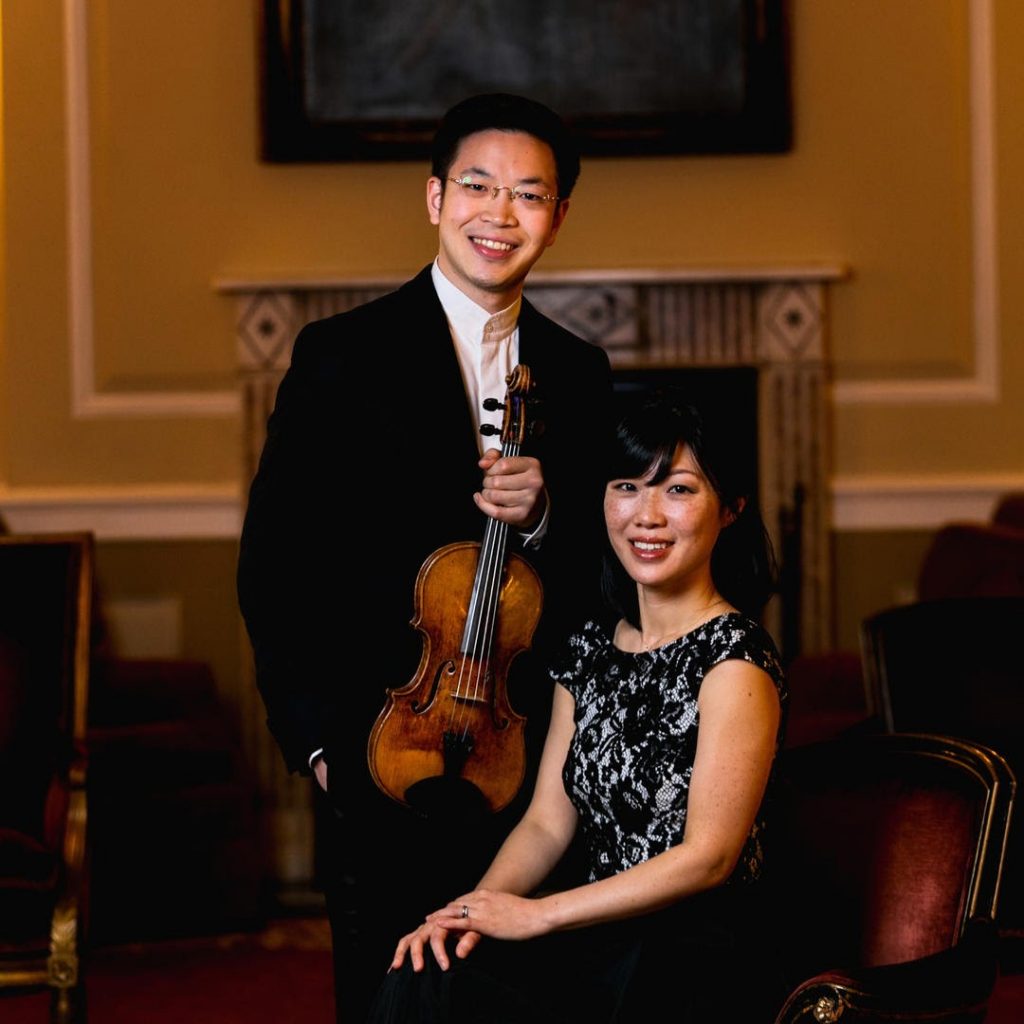 Almost a decade after violinist Paul Huang and pianist Helen Huang first performed together, their collaborative spirit is still going strong. The two acclaimed artists are eager to perform as a duo again this year, starting with their upcoming appearance as Kulas Visiting Artists on the Kent Blossom Music Festival’s Faculty Concert Series.
 After a year with no shortage of pre-recorded performances, watching musicians play together live and unmasked — even through a computer screen — feels like a breath of fresh air.
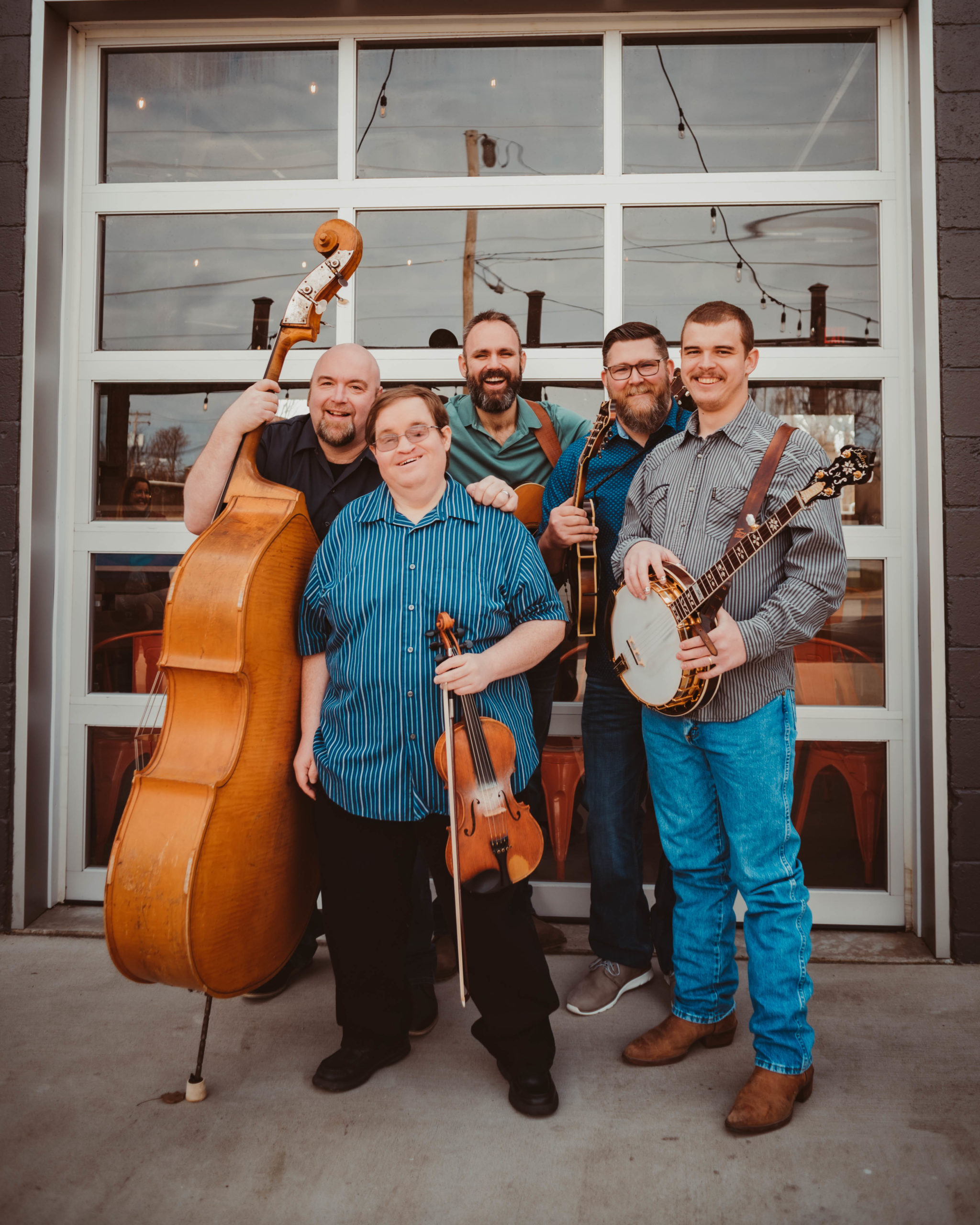 As has been the case throughout this season, on July 4, the ENCORE Music & Ideas Festival will once again try something new. In a celebration of American music, classical and bluegrass will share the stage at the Dodero Center for Performing Arts in Gates Mills. The 4:30 pm concert will begin with Copland’s Appalachian Spring performed by ENCORE artists, before shifting to Michael Cleveland and his band Flamekeeper, who will deliver what is certain to be a high energy performance.
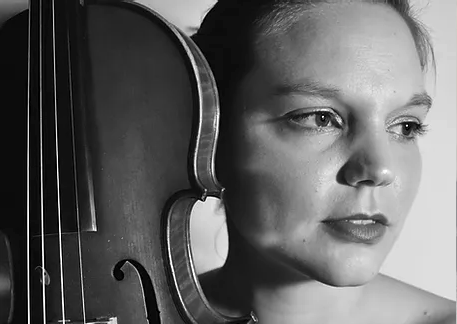 “A lot of people have preconceived ideas about what free improv is, and that it means everything is totally random,” violinist Leah Asher said in a recent interview, speaking from her home in New York City. “But there is a total spectrum of the amount of determinacy in music, and I like to think about where I am on that spectrum.” Also a violist, composer, and visual artist, Asher recently recorded a series of improvisations for the Cleveland Uncommon Sound Project’s 2021 Re:Sound Festival.
 Both considered young musical prodigies, composers Edvard Grieg and Erich Wolfgang Korngold enjoyed great successes in their careers. But while works by Grieg have long been part of the standard orchestral repertoire, Korngold’s film scores have overshadowed his classical compositions until more recently. The 13th episode of The Cleveland Orchestra’s digital series In Focus, “Dance & Drama,” presents works for string orchestra from each composer to highlight their shared Romantic sensibilities and influences from other art forms.
 When the