

by Daniel Hathaway
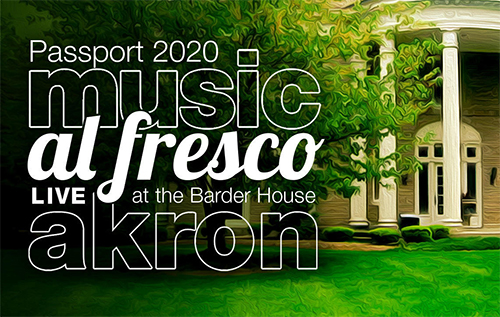 Apollo’s Fire sold out all seven of its outdoor “Tuscan Sun” concerts last week, and now patrons of Akron’s Tuesday Musical “Music al fresco: Passport 2020” have snapped up all the available seats — socially distanced, of course — for its three Sunday afternoon performances in September and October at historic Barder House in West Akron.
That’s a nice problem to have, and TMA has solved it by adding an extra 1:00 pm performance to the existing 3:00 pm performances on September 6 (Russian Duo), September 20 (Black Squirrel Winds), and October 11 (Found Sounds: Ghana, Trinidad, Brazil).
Executive Director Cynthia Snider wrote in a press release, “We have carefully designed Music al fresco: Passport 2020 to provide a safe entertainment option for audiences in Northeast Ohio where most live arts events have been canceled for months because of COVID-19.”
Snider added that strict safety protocols will be in force in coordination with Summit County Public Health. [Read more…]
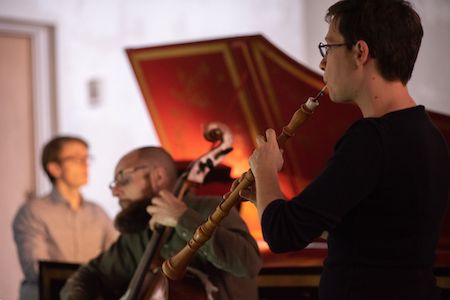 Early on in the pandemic, Baroque oboist and Les Délices artistic director Debra Nagy decided to avoid spending time on social media. It wasn’t just the clickbait articles, or the echo chamber of opinions, or the anxiety that it can provoke in even the best of times.
 The
The  Paraguayan guitarist Berta Rojas was set to make her Cleveland debut on March 14 in a presentation by the Cleveland Classical Guitar Society. Then the coronavirus crisis intervened.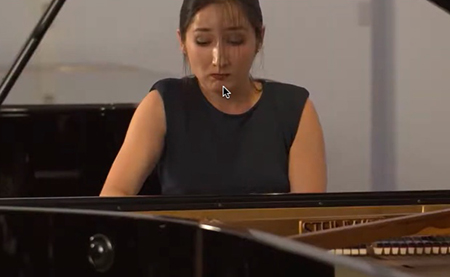




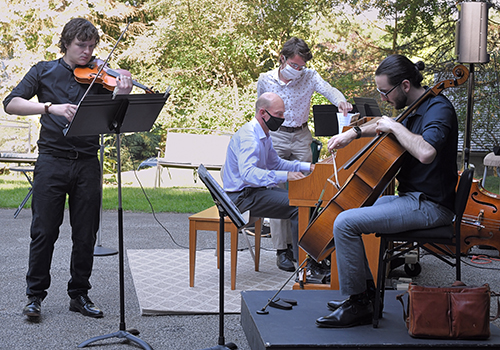 Over the past few weeks, area musicians and performing arts organizations have presented concerts on front porches, parking lots, and even at a baseball field. Another obvious place would be a spacious backyard — should you be lucky enough to have one.