

by Daniel Hathaway
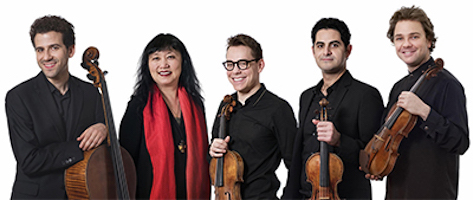
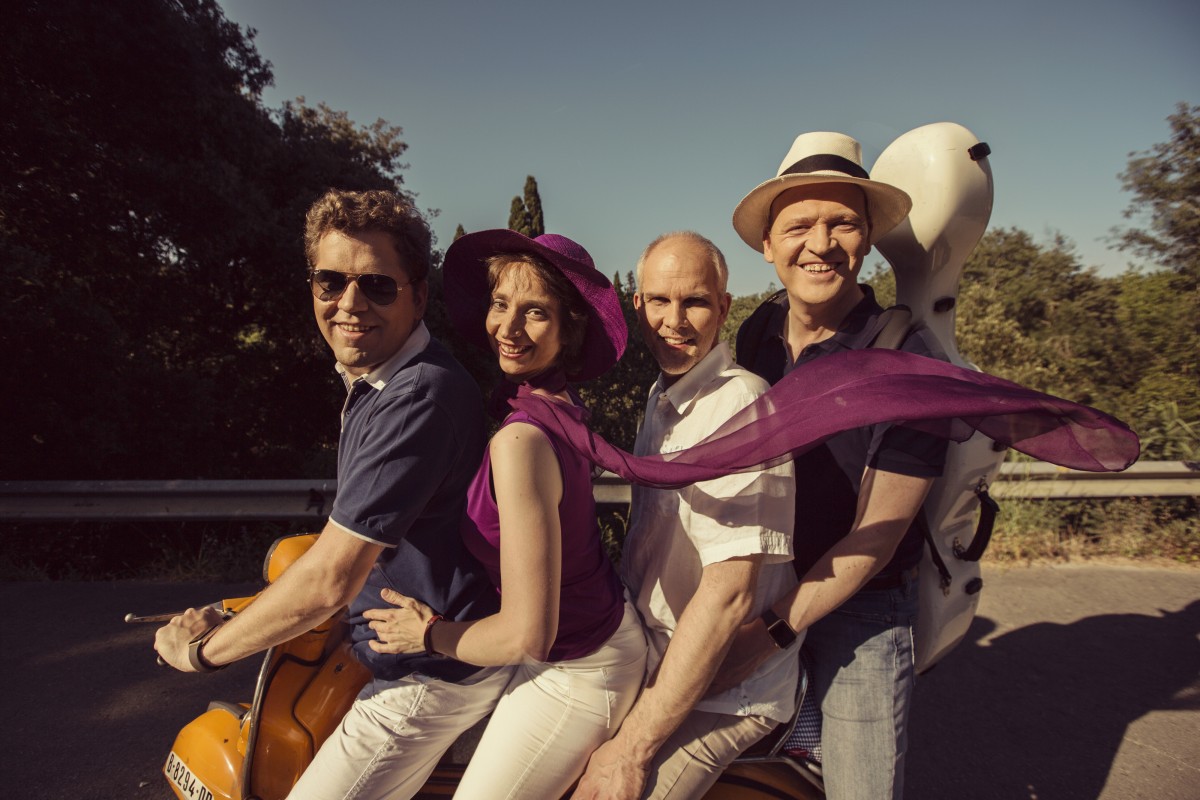 The Barcelona-based Cuarteto Casals seems to have a standing invitation from the Cleveland Chamber Music Society, having visited its series every other year in at least the past decade — and for good reason. Abel Tomàs, Vera Martínez Mehner, Jonathan Brown, and Arnau Tomàs bring an engaging Iberian intensity to their repertoire — along with the kind of inquisitive spirit that leads them to experiment with different styles of bows, collaborate with living composers, and commission new works. [Read more…]
 Depending on how presenters and performers discuss it in concerts, music history can be a portal to deeper understanding or a padlock. Especially hazardous is the tracing of artistic lineage. If you talk engagingly about teacher-to-student “family trees,” the concert may gain in vitality and direction. If you list them dryly, you risk making textbook fodder of vibrant art.
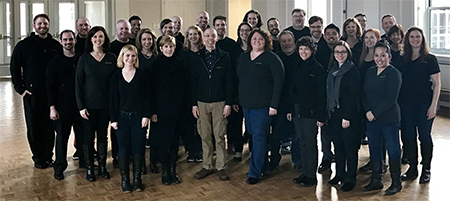 Sounding Light is a professional-level mixed choir based in the Metro Detroit area, founded in 2003 by Northeast Ohio native Tom Trenney. Trenney is a musical polymath: concert organist, church musician at First-Plymouth Church in Lincoln, Nebraska, conductor, and preacher. He and Sounding Light, along with two fine soloists, soprano Lindsay Kesselman and tenor Brian Giebler, and the Stony Creek High School Choir from Rochester Hills, Michigan, visited Cleveland’s Cathedral of St. John the Evangelist on Friday evening, March 15, to give the local premiere of John Muehleisen’s
  A golden age in American popular music began about a century ago. Lasting four decades and pervading musical theater, sound recordings, film, radio, and jazz stylings, it left a body of music that has never gone out of circulation and is regularly trumpeted as one of America’s best collective creations. We now call it “The Great American Songbook.”
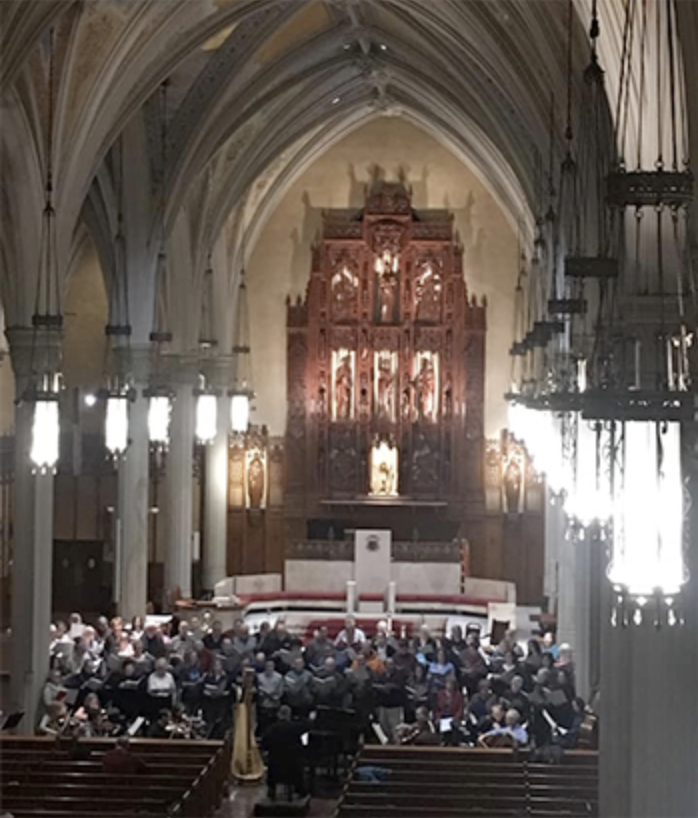 The West Shore Chorale and its longtime music director John Drotleff focused on psalms settings by Mozart and Bernstein together with a work by David Conte for its performance on the Helen D. Schubert Concert Series at The Cathedral of St. John the Evangelist on Friday, March 1.