by Peter Feher
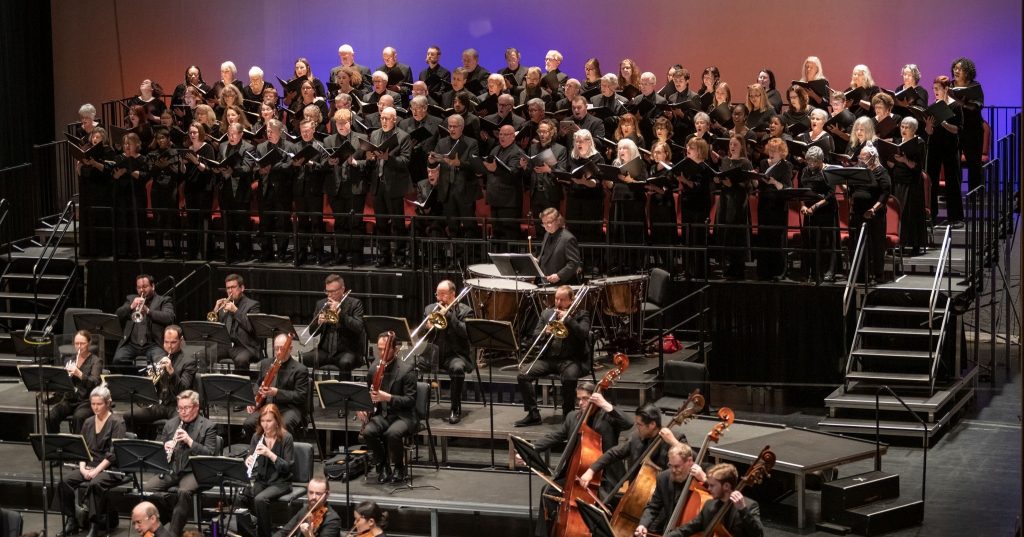
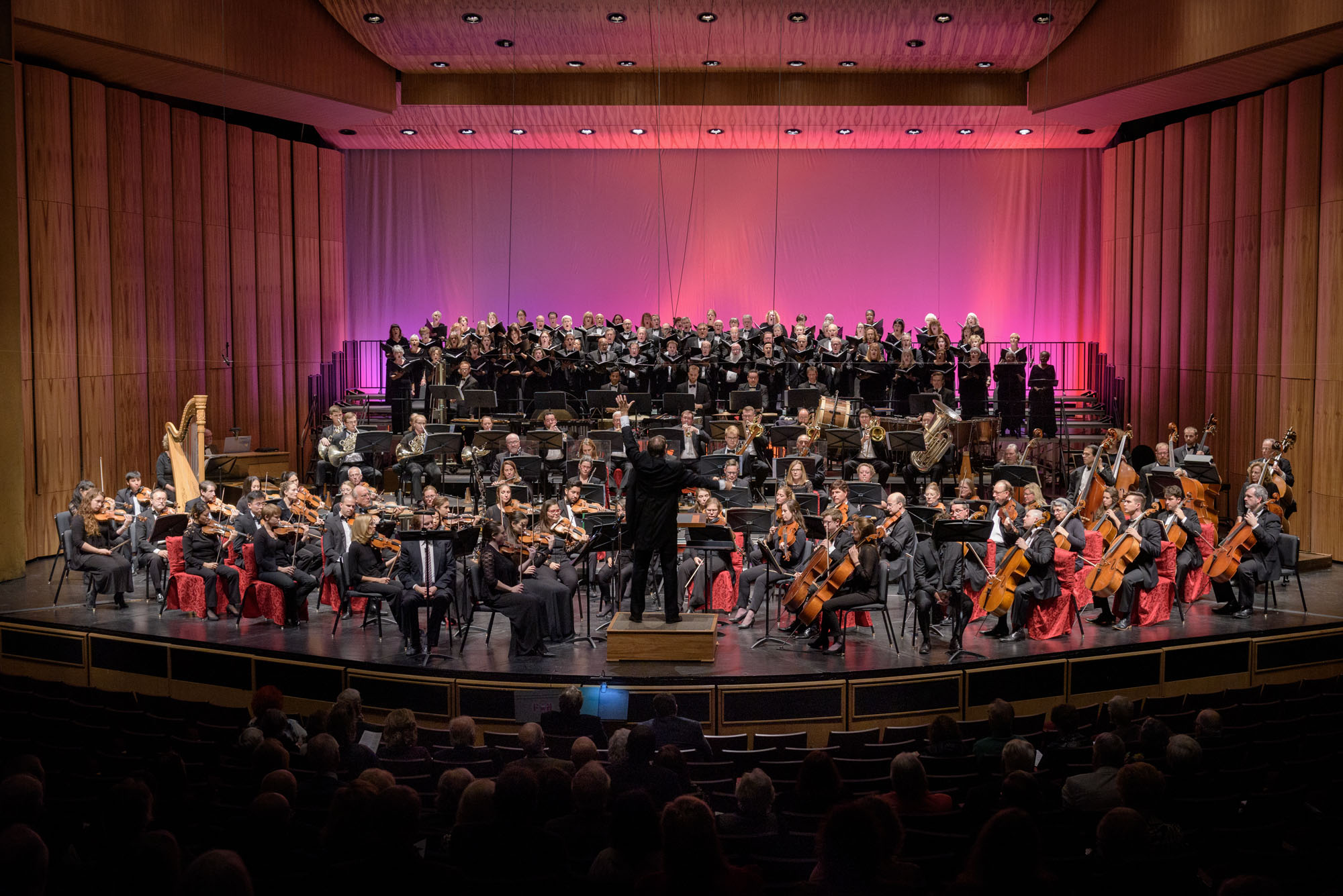
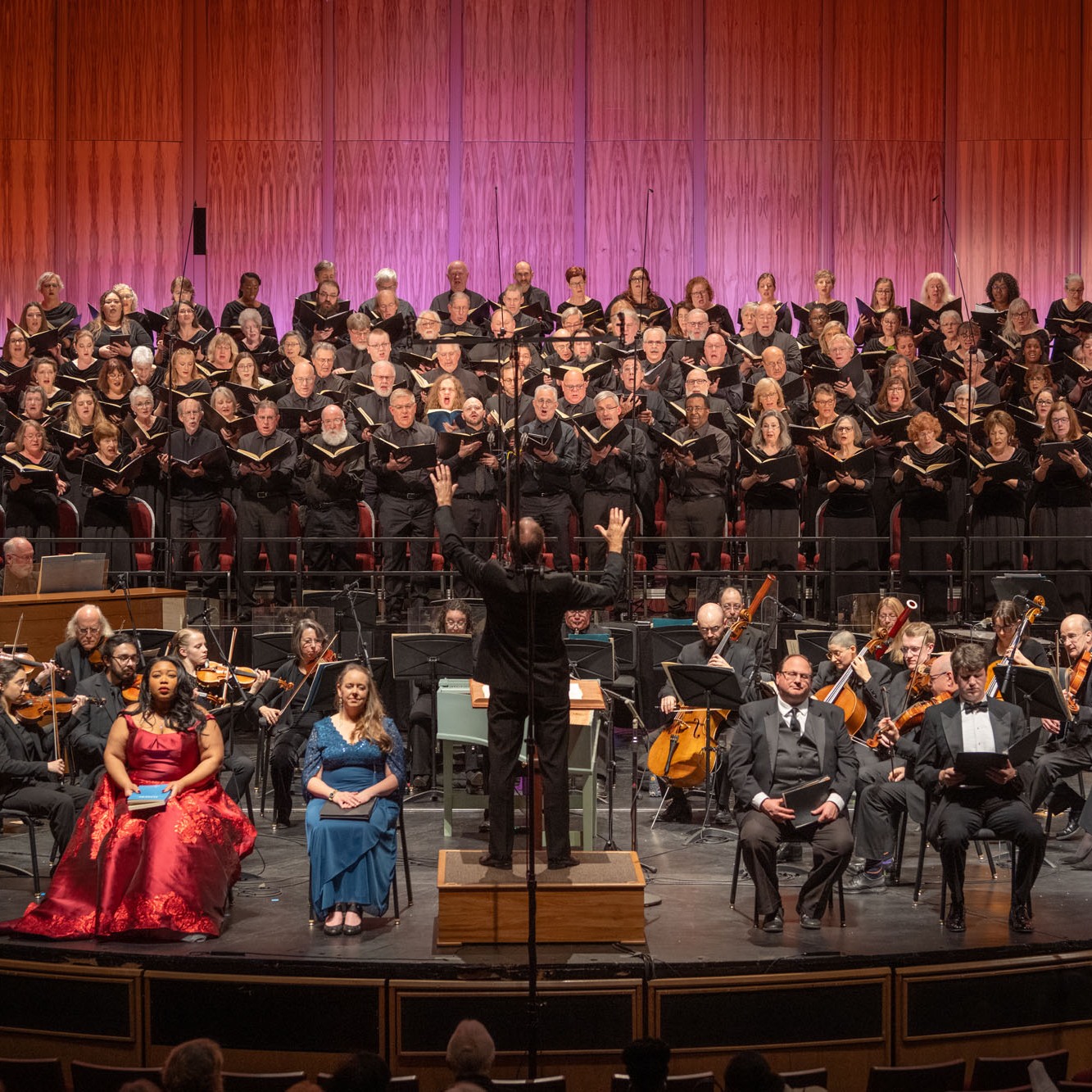 The holiday season got off to an early start at E.J. Thomas Hall over the weekend, with the Akron Symphony and Chorus reveling in a performance of Handel’s Messiah.
In truth, it’s tradition for this great oratorio — which embraces the New Testament theme of Jesus as savior — to arrive ahead of schedule. Handel intended the work to be presented each year during Lent, when theaters were otherwise closed and only entertainment of the most ennobling character was allowed. But in the centuries following its 1742 premiere, Messiah crept up the concert calendar to become a Christmas favorite.
Never mind that the famous “Hallelujah” Chorus comes from Part 2 of the oratorio, which recounts Christ’s death and resurrection. Part 1 includes the Nativity, and it was to this opening section that the Akron Symphony and music director Christopher Wilkins devoted themselves on Saturday, November 15.
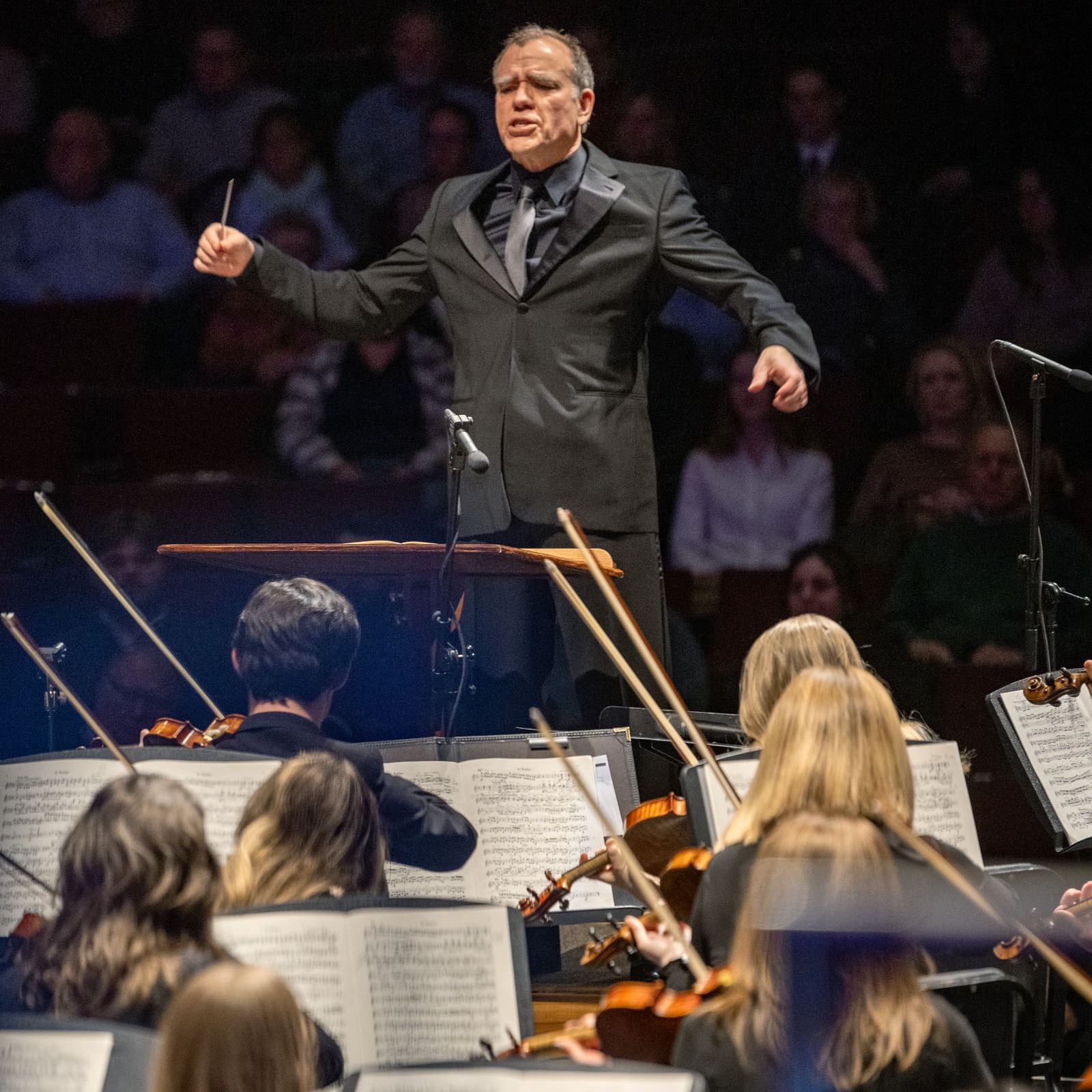 “Welcome to Mahler’s 2nd,” read the program leaflet I was handed while entering E.J. Thomas Hall on March 1. “You’re in for an emotional rollercoaster — big drama, quiet reflection, and an ending that will shake the walls (and maybe your soul).”
 Unfinished works seem to be held in higher esteem for their being incomplete — the remaining music feeling more precious, conscious as we are of what else might have been lost. How to explain then, the impact of Mozart’s
  The Akron Symphony fully embraced tradition with its opening-night concert this season. In an all-out performance of Beethoven’s Ninth Symphony on September 29 at E.J. Thomas Hall, the Orchestra was recreating a major moment from its history. And at the end of the evening, as the finale of the “Ode to Joy” resounded throughout the hall, the program transformed into a complete celebration.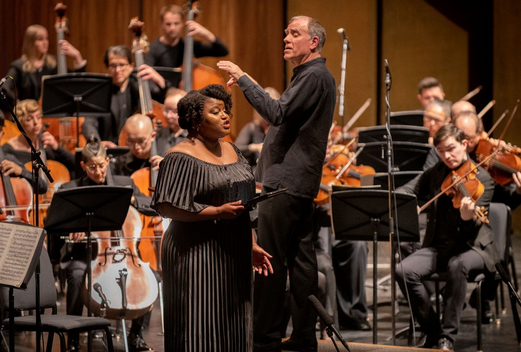
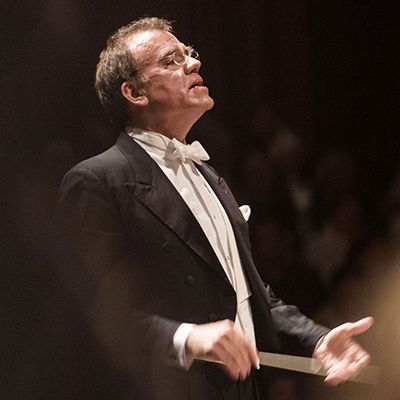 Akron Symphony music director Christopher Wilkins has long had an interest in theater. “I’ve kept my eye out for theater-related projects for years and years and years,” he said during an interview.