


by Daniel Hautzinger
reprinted with permission from the Oberlin Conservatory
 There was no Cleveland Orchestra when the Oberlin Conservatory of Music opened 150 years ago.
By the time the orchestra was founded in 1918 — with pivotal support from Oberlin’s John Long Severance ’85 — the conservatory was 53 years old and well into a phase of monumental growth. In 1919, the year-old orchestra performed for the first time in Oberlin’s Finney Chapel. It has returned to campus every year since — well over 200 performances and counting.
Ninety-six seasons later, as the conservatory celebrates its 150th anniversary, it honors these extensive ties to the Cleveland Orchestra with the commission of a work for English horn by composer Bernard Rands. [Read more…]
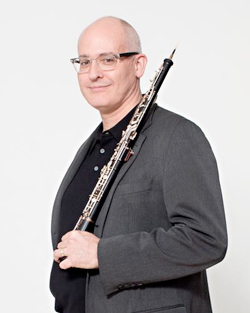
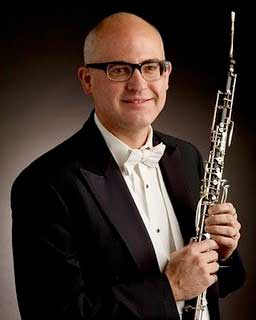 When Robert Walters performs the world premiere of Bernard Rands’ Concerto for English Horn with The Cleveland Orchestra on Friday, November 27 in Severance Hall, it will bring to fruition a composer-performer collaboration whose roots go back more than two decades.
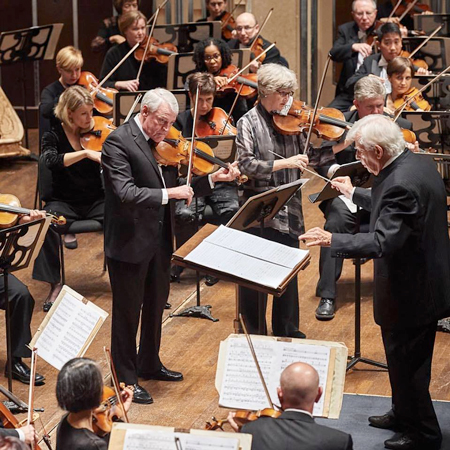 Nostalgia was much in evidence at Severance Hall on Thursday evening, November 19. Music director laureate Christoph von Dohnányi, who conducted The Cleveland Orchestra from 1984-2002, made his annual return visit to the podium, obviously drawing a large audience of fans. Additionally, the premiere of Richard Sortomme’s Concerto for Two Violas on Themes from Smetana’s “From My Life” String Quartet served as a fond recollection of the composer’s long friendship with its dedicatee, principal viola Robert Vernon, who is scheduled to retire at the end of the Blossom season in 2016.
 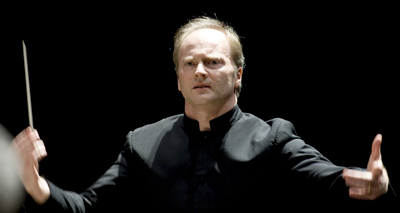 The Cleveland Orchestra unpacked its bags just long enough between its extended European concert tour and its next Miami Residency to play a three-concert set at Severance Hall from November 6 to 8. Italian conductor Gianandrea Noseda was at the helm for colorful, virtuosic music by Goffredo Petrassi and Sergei Rachmaninoff, but the centerpiece of Saturday evening’s concert was a breathtaking trip through Dmitri Shostakovich’s Violin Concerto No. 1 with the imperturbable Greek violinist Leonidas Kavakos.
 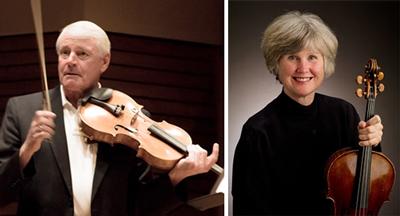 Since his appointment to The Cleveland Orchestra in 1976, principal viola Robert Vernon has appeared as soloist with the orchestra on more than 100 occasions, both in Cleveland and on tour.
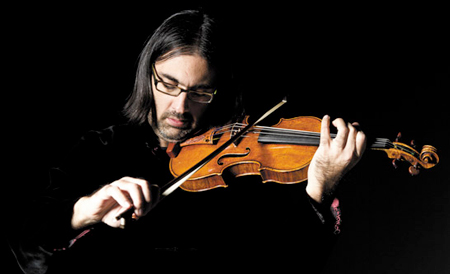 Just back from their European tour, The Cleveland Orchestra returns to Severance Hall this weekend for three performances under the direction of guest conductor Gianandrea Noseda. The program will feature Goffredo Petrassi’s Partita (1932) and Sergei Rachmaninoff’s Symphonic Dances. The concerts also mark the long-anticipated return of violinist Leonidas Kavakos. See our
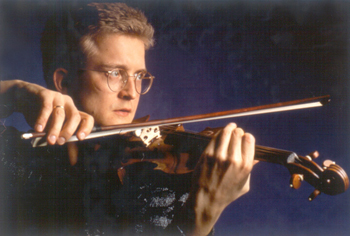 German violinist Christian Tetzlaff never shies away from a challenge. He made his debut with The Cleveland Orchestra at the age of 22, playing the daunting concerto by Arnold Schoenberg. Tetzlaff’s most recent area performance in May of this year, also with The Cleveland Orchestra, featured the violinist in Jörg Widmann’s concerto, a physically taxing work written for him in 2007.
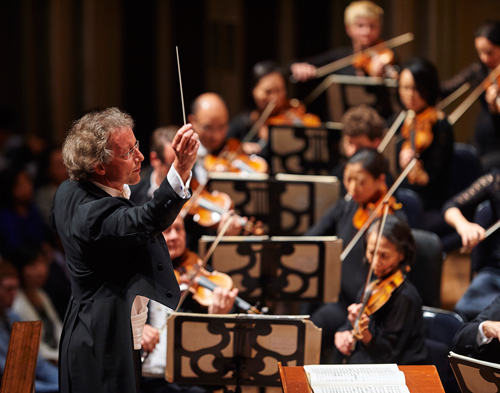 The three programs scheduled by The Cleveland Orchestra last weekend were each colorful in their own right, but the blueprint of works being performed was complicated enough that the program book color-coded each evening to keep patrons apprised about what they were hearing, and in what order. Come to think of it, the orchestra and stage crew probably appreciated those navigational aids as well.
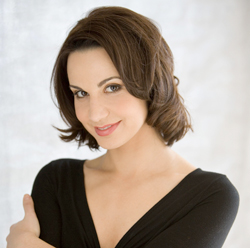
 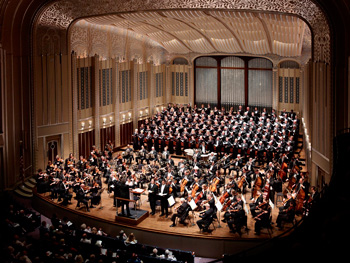 If The Cleveland Orchestra’s recent performance of Gustav Mahler’s third symphony were a restaurant, it would deserve the maximum three stars in the Michelin Guide (“exceptional…worth a special journey”). Franz Welser-Möst, the Orchestra, two of its choruses, and mezzo-soprano Kelley O’Connor took a captivated audience on a 95-minute journey into Mahler’s magic world on Thursday evening, October 5, the first of a pair of performances that weekend at Severance Hall, and an experience audiences in Paris and Vienna can look forward to during the Orchestra’s October tour.
  At 95 minutes, Gustav Mahler’s third symphony is his longest, as well as one of the most extended orchestral works in the repertoire. At its center are two wonderful movements featuring an alto soloist, women’s chorus, and children’s chorus that last only a few minutes each, but completely change the emotional trajectory of the symphony.